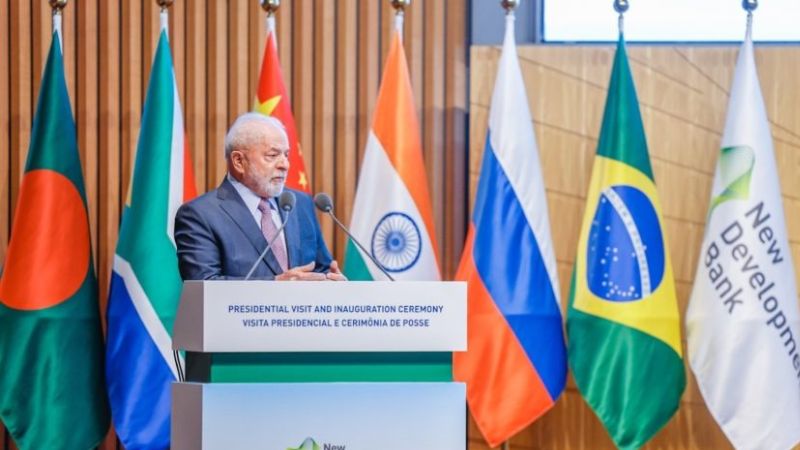
Brazil officially assumed the chairmanship of BRICS from Russia, marking the start of a year focused on critical global challenges, including climate change, sustainable development, and the regulation of artificial intelligence (AI). Eduardo Pais Saboia, Brazil's Foreign Ministry Secretary for Asia and the Pacific and the country's BRICS Sherpa, announced these priorities in an interview with Agencia Brasil.
Saboia emphasized that ongoing discussions—such as the use of national currencies in trade and reforms to the global governance system—will remain on the BRICS agenda. However, climate issues will take center stage as Brazil prepares to host the 30th UN Climate Change Conference (UNFCCC COP 30) in Belém later this year. Highlighting the energy sector’s impact on greenhouse gas emissions, Saboia stressed the pivotal role of BRICS nations in addressing these challenges.
AI regulation will also be a focal point during Brazil’s presidency. "Currently, there is no global framework for governing artificial intelligence, though discussions are underway. During Brazil's presidency, we aim to promote a unified approach among BRICS members to AI regulation," Saboia stated.
On the topic of BRICS expansion, Saboia reaffirmed Brazil’s support for welcoming new members and ensuring their smooth integration into the group. He also noted the development of a new category for BRICS partner countries, underscoring the association's inclusivity.
Brazil has unveiled the official logo for its BRICS presidency, which features a sumauma tree—a symbol of the Amazon rainforest—painted in the colors of the member states' flags. The tree’s branched roots and vibrant triangular canopy in yellow, red, orange, green, and blue represent the "strength of union" among the group’s members.
This marks the fourth time Brazil will host the BRICS summit, with the event scheduled for 2025. The previous summit took place in Kazan, Russia.
BOB Post