BRICS leaders have called for restraint in the Middle East and warned that continuing conflicts could disrupt global trade, energy supplies and international shipping.
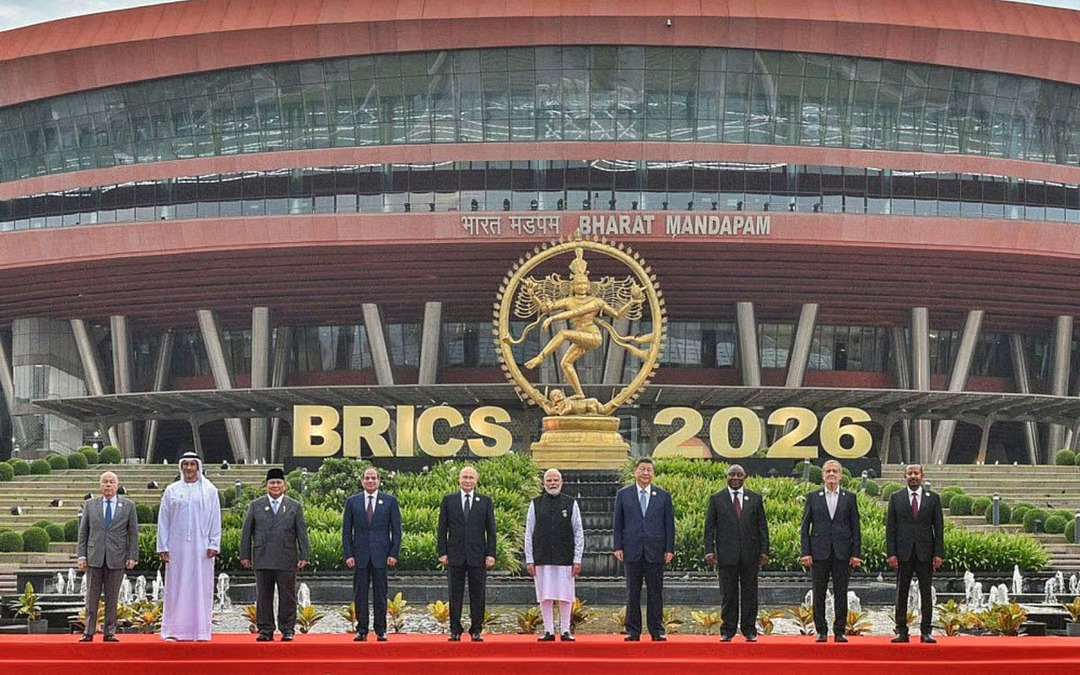
The call came as leaders of the expanded grouping gathered in New Delhi for a two-day summit hosted by Indian Prime Minister Narendra Modi. Chinese President Xi Jinping, Russian President Vladimir Putin and Iranian President Masoud Pezeshkian are among the key leaders attending the meeting.
In a joint declaration adopted unanimously on Saturday, the BRICS countries expressed concern over the growing tensions in the Middle East. They urged countries to exercise maximum restraint and opposed attacks on civilian infrastructure and nuclear facilities.
The declaration also reaffirmed the bloc’s position on the Palestinian issue. BRICS leaders opposed the forced displacement of Palestinians and changes to the geography or demographic composition of the occupied Palestinian territory. They also called for an end to Israeli violence in Gaza, continued support for the UN agency for Palestinian refugees and full United Nations membership for Palestine.
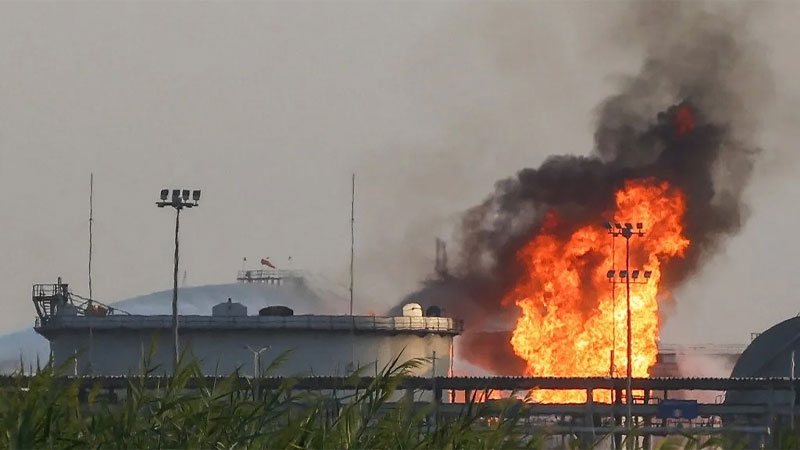
The conflict in the Middle East has added pressure to an already difficult global economic environment. Wars in the region and Ukraine have affected energy markets and shipping routes, while tariffs and other trade restrictions have created further uncertainty for BRICS economies.
According to Al Jazeera, the summit is taking place as BRICS members remain divided over how to respond to the conflicts and wider global tensions. The grouping is also seeking greater cooperation on trade, finance, artificial intelligence and alternative cross-border payment systems.
Xi’s presence in New Delhi has drawn particular attention. His visit marked his first trip to India in seven years, as Beijing and New Delhi seek to improve relations after years of tensions.
Xi said the continuing fighting in the Middle East was causing serious losses across the region and did not serve the interests of the international community.
Indian and Russian officials also discussed bilateral cooperation during the summit. Modi held talks with Putin on Friday, while discussions with the Iranian president included freedom of navigation and the safety of shipping crews in the Strait of Hormuz.
The summit has brought together leaders from major emerging economies, including South Africa, Egypt, Ethiopia and Indonesia. The United Arab Emirates sent Abu Dhabi Crown Prince Sheikh Khaled bin Mohamed bin Zayed Al Nahyan, while Brazil was represented by Foreign Minister Mauro Vieira.
The presence of senior officials from the World Health Organization, World Trade Organization and the United Nations has added to the significance of the gathering.
A major issue before the bloc is whether its expanded membership can maintain unity while members hold sharply different positions on major geopolitical conflicts. Iran and the UAE, for example, are both BRICS members but have taken opposing positions in the conflict involving Iran, the United States and Israel.
The group is also facing pressure over trade. BRICS finance ministers and central bank governors have criticized tariffs and other trade measures that they say distort international commerce.
As BRICS marks two decades since its creation, the New Delhi summit is testing whether the expanded bloc can turn its growing economic weight into a stronger political voice for the Global South.
BOB Post