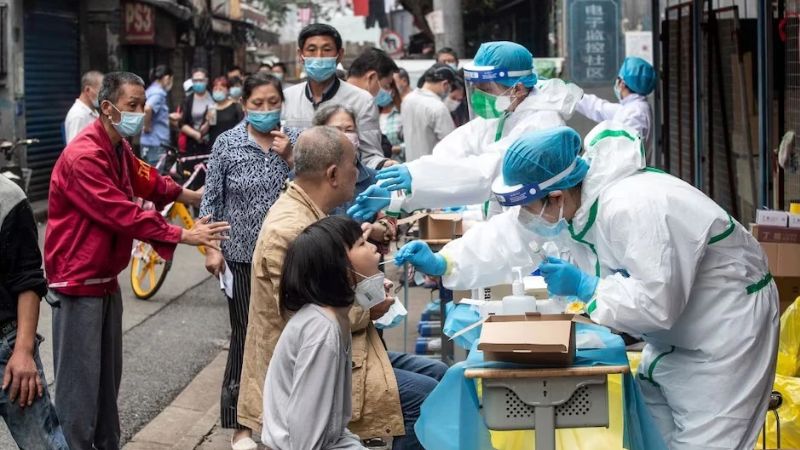
Reports of rising respiratory illnesses in China have sparked global concern, with health systems in northern China grappling with the alarming spread of the human metapneumovirus (HMPV). The virus, known for causing respiratory infections, is particularly affecting children, the elderly, and immunocompromised populations, prompting regional health authorities to implement stringent monitoring measures.
According to the Chinese Center for Disease Control and Prevention (China CDC), northern China is the worst-hit region, with hospitals reportedly overwhelmed and healthcare workers stretched thin. While social media posts highlight the severity of the situation, neither Chinese officials nor the World Health Organization (WHO) has declared a public health emergency.
WHO Statement on HMPV Outbreak
In a recent statement, the World Health Organization (WHO) acknowledged the HMPV outbreak in China and emphasized the importance of coordinated regional and global efforts to monitor and control its spread. "The human metapneumovirus is a well-known respiratory pathogen that can cause severe illness, particularly in vulnerable populations such as young children, the elderly, and those with underlying health conditions," a WHO spokesperson said.
"While there is no immediate cause for alarm, we urge all countries to enhance surveillance and adhere to public health measures to mitigate its impact," the WHO added. The organization has advised healthcare systems worldwide to prepare for potential cases and stressed the need for ongoing research into vaccine development for HMPV.
HMPV: A Virus Without a Vaccine
Discovered in 2001, HMPV belongs to the Pneumoviridae family and has been identified as a global respiratory pathogen for over 60 years. Despite decades of recognition, no vaccine or targeted treatment exists for HMPV. Current management focuses on symptomatic relief. The virus often presents with symptoms similar to the common cold, including cough, fever, nasal congestion, and wheezing. In severe cases, it can lead to bronchitis or pneumonia, especially in high-risk groups.
A 2021 study published in The Lancet Global Health attributed approximately 1% of acute lower respiratory infection-related deaths in children under five to HMPV, underscoring its potential severity.
Regional Impact and Preventive Measures
Neighboring countries have heightened their vigilance. Japan, for instance, is already grappling with a significant influenza outbreak, reporting over 94,000 flu cases in just one week. Japanese health authorities have confirmed ongoing monitoring of HMPV cases as a precautionary measure. Meanwhile, Hong Kong has reported minimal HMPV cases but has intensified health checks and public awareness campaigns.
Authorities across Asia are urging the public to adopt preventive measures such as regular handwashing, mask-wearing, and avoiding crowded places to curb the virus's spread.
BOB Post