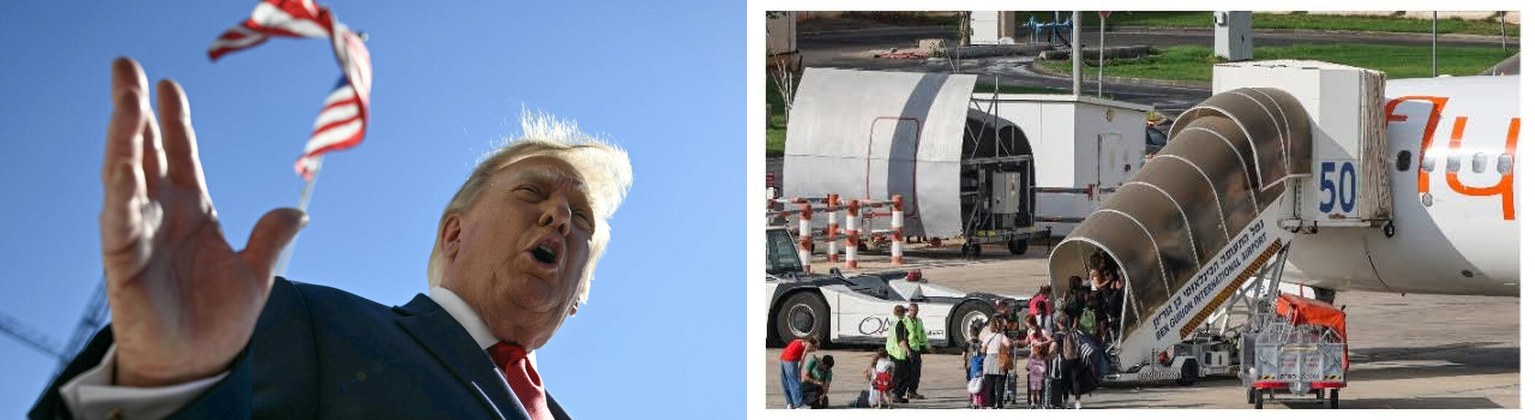
Five years ago, the scene was starkly different. In February 2020, then–U.S. President Donald Trump addressed a massive rally in Ahmedabad, showcasing the warmth of U.S.–India ties and expanding trade ambitions. At the same time, India’s relations with China had plummeted. Deadly clashes in Galwan Valley left 20 Indian soldiers dead, TikTok and hundreds of other Chinese apps were banned, and tensions flared across the border.
Today, the geopolitical landscape is shifting rapidly. Confronted with U.S. tariff wars, Washington’s evolving role in Pakistan, and the churn of global power politics, New Delhi is recalibrating. The result: signs of normalization in relations with Beijing.
Diplomatic Thaw in Motion
In recent weeks, Indian Prime Minister Narendra Modi held talks in New Delhi with Chinese Foreign Minister Wang Yi. Both sides emphasized “mutual respect” and “stable progress.” Practical steps are following: the resumption of direct flights, simplified visas, renewed border trade, and even Beijing’s approval for Indian pilgrims to visit Tibet.
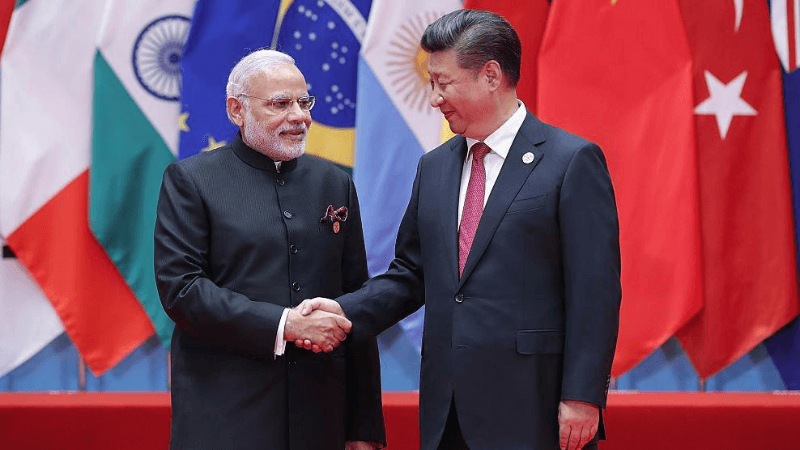
The most symbolic gesture will come later this month when Modi travels to Tianjin for the Shanghai Cooperation Organization (SCO) summit his first visit to China in more than seven years—after accepting an invitation from President Xi Jinping.

Economics Driving Strategy
India’s trade deficit with China, its largest globally, reached nearly $100 billion in FY 2024–25, fueled by electronics imports. Meanwhile, U.S. tariffs imposed under Trump hit Indian exports with duties as high as 50 percent and penalized Russian oil imports, while Washington adopted a comparatively softer line on China.
Facing this squeeze, Delhi sees opportunity in Beijing’s promises to open its market for Indian goods, a potential cushion against U.S. trade shocks. Analysts note that warmer India–China ties could reshape Asian trade flows and dilute Washington’s leverage.

Strategic Realignments and the Quad Factor
Washington has long viewed India as a democratic counterweight to China’s influence, a key pillar of the Quadrilateral Security Dialogue (Quad) alongside Japan and Australia. But closer India–China engagement complicates this calculus.
“If India deepens cooperation with Beijing on development financing, multilateral reforms, or de-dollarized transactions, the U.S. narrative of a democratic front against China weakens,” warns Professor B. R. Deepak of Jawaharlal Nehru University. Still, he argues that issues like supply chain resilience, climate cooperation, and maritime security will sustain the Quad’s relevance.
For Beijing, analysts say, easing tensions with India reduces the risk of Delhi drifting fully into Washington’s orbit. For Delhi, the shift reflects growing frustration with U.S. trade penalties and strategic constraints. As Singapore-based researcher Ivan Lidarev observes: “China has realized that too much pressure pushed India closer to the U.S., while India now sees the costs of over-reliance on Washington.”
Competition Amid Cooperation
Despite the thaw, strategic rivalry persists. India continues efforts to diversify supply chains to avoid overdependence on China, while Beijing retains overwhelming influence in global trade. “Even if relations improve, competition and conflict won’t disappear,” argues analyst Sana Hashmi of the Taiwan–Asia Exchange Foundation.
A New Asian Balance?
The India–China rapprochement carries implications far beyond their borders. A reset between Asia’s two giants could alter the region’s balance of power and test Washington’s Indo-Pacific strategy. What remains uncertain is whether this is a temporary tactical adjustment or a deeper shift that weakens America’s standing in the region.
For now, the world is watching closely as the “dragon and the elephant” dance again, raising questions about whether the U.S. tariff squeeze has inadvertently brought Delhi and Beijing closer than at any point since Galwan.
BOB Post