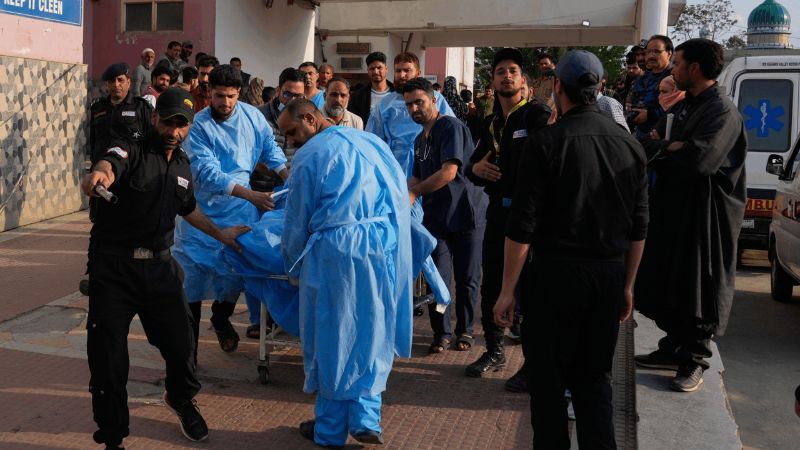
India has suspended the decades-old Indus Waters Treaty and begun downgrading its diplomatic relationship with Pakistan after a deadly militant attack in Kashmir killed 26 people, including one Nepalese national, and injured at least 17 others. The assault, which took place in the popular tourist destination of Baisaran valley in Pahalgam, marks the worst attack on civilians in India in nearly two decades.
Speaking at a press briefing, Indian Foreign Secretary Vikram Misri said the Cabinet Committee on Security (CCS), chaired by Prime Minister Narendra Modi, had reviewed intelligence linking the attackers to cross-border networks. He announced that the Indus Waters Treaty of 1960 would be suspended “with immediate effect” unless Pakistan “credibly and irrevocably abjures its support for cross-border terrorism.” The treaty, which governs water sharing between the two countries, has long withstood political tensions and armed conflicts.

Misri also announced that the Attari-Wagah border crossing would be closed immediately. While the border will remain shut, individuals holding valid travel documents will be permitted to return to Pakistan before May 1. Additionally, three defence advisers stationed at the Pakistani High Commission in New Delhi have been declared persona non grata and ordered to leave. India’s diplomatic staff in Islamabad will also be reduced significantly, from 55 officials to 30.

Further straining ties, India has halted all visa services for Pakistani nationals under the SAARC Visa Exemption Scheme. Previously issued visas under the scheme have been canceled, and Pakistani nationals in India under this arrangement have been instructed to leave the country within four hours. Misri confirmed that India would also withdraw its army, air force, and navy advisers from its High Commission in Islamabad.
“The CCS reviewed the overall security situation and directed all forces to maintain high vigil,” Misri said. “India will be unrelenting in the pursuit of those who have committed acts of terror, or conspired to make them possible.”

The attack has disrupted the relative calm that Kashmir had experienced in recent years, amid a boost in tourism. Panic spread among visitors, many of whom rushed to leave the region. Hotels reported a surge in cancellations, and buses and taxis were quickly filled by fleeing tourists. Jammu and Kashmir Chief Minister Omar Abdullah described the situation as an “exodus of our guests.”
A little-known group called “Kashmir Resistance” claimed responsibility for the attack in a social media post, alleging that the victims were not ordinary tourists but individuals affiliated with Indian security agencies. Indian intelligence has identified the group as a front for Pakistan-based militant organizations, including Lashkar-e-Taiba and Hizbul Mujahideen.
Pakistan, which denies backing cross-border terrorism, responded by announcing an emergency meeting of its National Security Committee, which includes senior civil and military leaders. Deputy Prime Minister and Foreign Minister Ishaq Dar confirmed that the committee, typically convened only in serious situations, would meet today to determine Pakistan’s response to India’s actions.
BOB Post