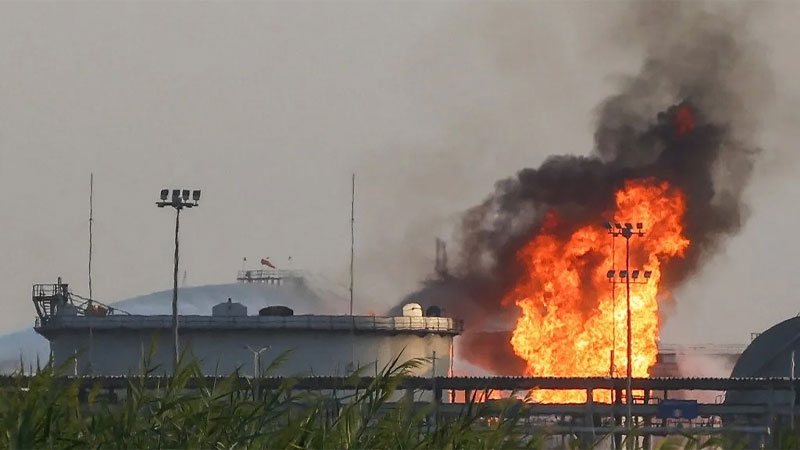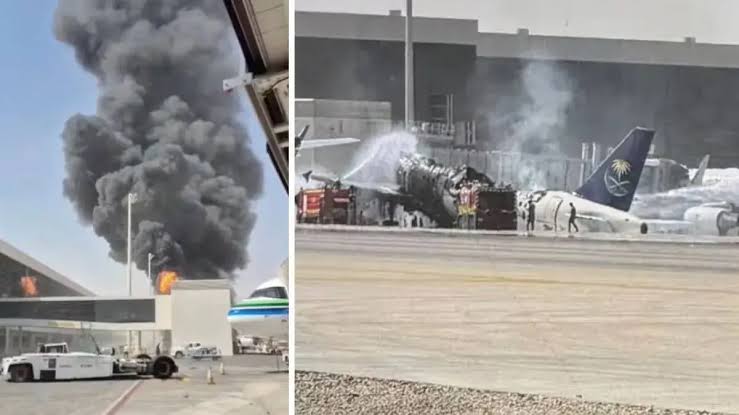
The escalating tensions between Israel and Iran are raising alarm bells far beyond the Middle East — with the Bay of Bengal region bracing for potential economic fallout. As both nations engage in military posturing and proxy confrontations, the ripple effects are starting to be felt in South and Southeast Asia, particularly in Bangladesh, India, Myanmar, and Sri Lanka.
One of the primary concerns is the stability of global oil markets. The Strait of Hormuz, through which nearly 20% of the world’s oil supply passes, lies directly within the conflict zone. Any disruption in this vital corridor could trigger a surge in fuel prices, severely impacting energy-import-dependent nations across the Bay of Bengal.

“Even a brief blockage or attack in the Strait could cause fuel prices to skyrocket in Bangladesh and India, hurting transport, manufacturing, and consumer costs,” said Dr. Nasreen Alam, an energy economist at Dhaka University.
Additionally, heightened conflict raises insurance premiums for shipping routes passing near the Arabian Sea, which may increase the cost of goods entering Bay of Bengal ports like Chittagong, Chennai, and Colombo. Trade routes connecting Southeast Asia to the Gulf countries could become more volatile, affecting supply chains in garments, seafood, and electronics — key exports from the Bay region.
“Business uncertainty grows every time the Gulf heats up,” noted an official at the Bangladesh Garment Manufacturers and Exporters Association (BGMEA). “Our industry depends on stable import-export timelines, especially with Europe and the Middle East.”
Moreover, remittance flows from millions of South Asian migrant workers in the Middle East — a major economic lifeline — could face instability if war impacts labor demand or forces evacuations.
While there’s no immediate threat of military involvement for countries bordering the Bay of Bengal, economic interdependence means even distant wars can have local consequences. Experts are urging governments in the region to diversify energy sources, strengthen trade resilience, and prepare contingency plans for a prolonged conflict.
As the Israel-Iran standoff simmers, the Bay of Bengal’s economies must navigate the emerging storm with strategic foresight — or risk being dragged into the undertow of a distant war.
BOB Post