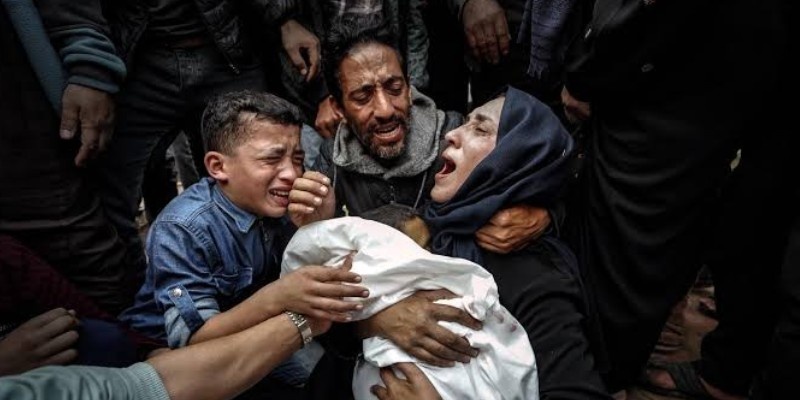
More than 400 people have been killed and hundreds more injured following a wave of Israeli airstrikes on the Gaza Strip, the Hamas-run health ministry reported on Tuesday (march 18). The renewed violence has sparked global condemnation and heightened tensions in the region.
Israeli Prime Minister Benjamin Netanyahu justified the attacks, stating that Israel had resumed combat with "full force" and warning that the strikes were "just the beginning." He accused Hamas of rejecting proposals for a ceasefire, declaring that negotiations would now take place "under fire."
Unjustified Assault on Gaza
The Israeli bombardment, which targeted densely populated civilian areas, has been widely criticized as a disproportionate and unjustified attack on Gaza’s residents. The strikes came despite ongoing international efforts to broker a ceasefire and secure the release of Israeli hostages held by Hamas.
Hamas accused Israel of committing "massacres" against "defenseless civilians," emphasizing that the United States bore responsibility for the attacks. Reports emerged that Israel had briefed US officials before launching the airstrikes, raising concerns over Washington’s involvement in the military offensive.
US Ambassador to the UN Dorothy Shea placed the blame on Hamas, claiming the group had refused multiple ceasefire proposals in recent weeks. However, US President Donald Trump has yet to publicly comment on the escalating situation.
Anger in Israel Over Hostage Fate
In Israel, families of hostages held in Gaza gathered outside the Knesset, accusing officials of abandoning their loved ones by launching the overnight assault. Protesters expressed outrage over the government’s decision to prioritize military action over negotiations for the hostages’ safe return.
With the humanitarian crisis worsening in Gaza, international pressure is mounting for an immediate de-escalation. However, as Netanyahu signals a prolonged offensive, the region remains on the brink of further devastation.
BOB Post