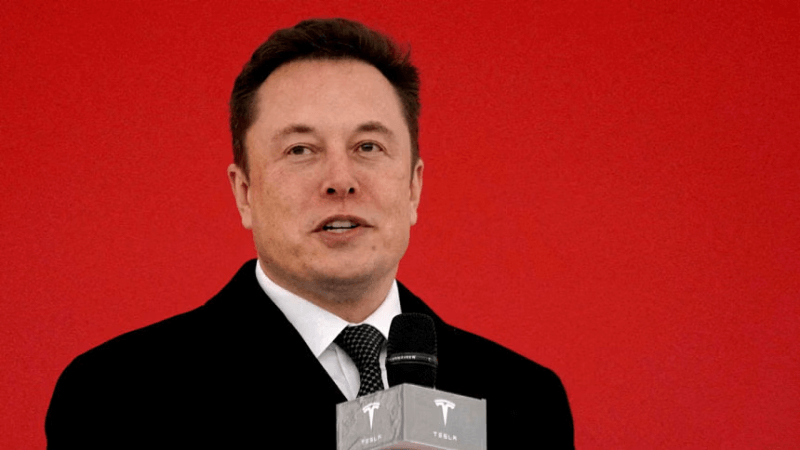
Renowned entrepreneur Elon Musk, the mind behind Tesla and SpaceX, is diversifying his ventures with plans to establish an educational institution in Austin, Texas. The project, revealed through recent tax filings, aims to create a primary and secondary school with a distinct focus on science, technology, engineering, and math (STEM) subjects. The institution, tentatively named the "Musk Academy," is set to receive substantial support, including a $100 million donation from Musk's charity, The Foundation, and contributions from student tuition.
The Musk Academy is designed to enroll an initial cohort of 50 students, with admission criteria emphasizing attributes such as academic curiosity, discipline, independence, and innovation. The educational model will blend in-person and remote learning experiences, leveraging distance education technologies to cater to both local and a broader audience. Musk's vision extends beyond secondary education, with plans to transform the institution into a full-fledged university after achieving operational success.
While Musk's foray into education has generated excitement, it has also sparked controversy. The institution's location in tech-centric Austin raises questions about its potential impact on educational inequality, with concerns about exclusivity and accessibility. Critics question Musk's qualifications in the education sector, while supporters anticipate a forward-thinking institution with cutting-edge facilities and partnerships with leading tech companies.
As the Musk Academy remains in its early stages, details regarding funding, accreditation procedures, and community engagement are yet to be finalized. The announcement injects an element of intrigue and disruptive potential into the higher education landscape. The Musk Academy, if realized, will undoubtedly be closely monitored, shaping discussions on the future of learning and the influence of tech visionaries in shaping tomorrow's workforce.
BOB Post