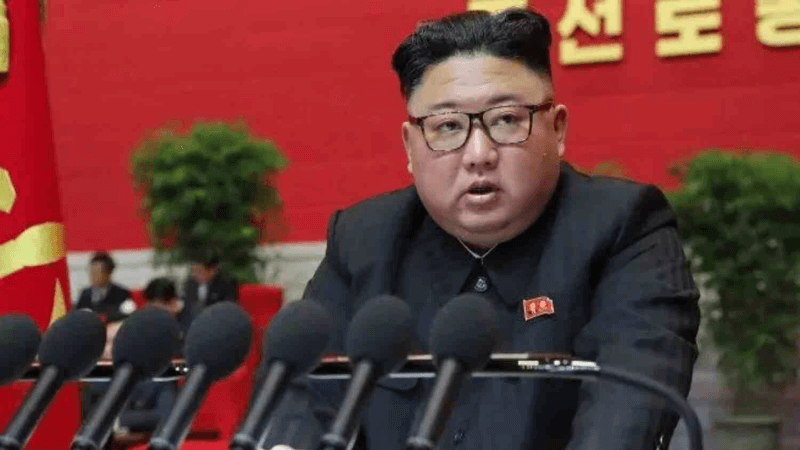
North Korean leader Kim Jong Un has outlined a series of significant military advancements for the year 2024, signaling a continuation of the country's aggressive pursuit of weapons capabilities. Kim's declarations, made during a key ruling Workers' Party meeting, include the launch of three additional military spy satellites, an expansion of the nuclear weapons program, and the introduction of modern unmanned combat equipment. The announcements have raised concerns about regional stability and the potential for heightened tensions on the Korean Peninsula.
Kim's plans to launch three military spy satellites build upon the success of North Korea's first reconnaissance satellite launched in November 2023. The move underscores the regime's commitment to enhancing its intelligence-gathering capabilities. With the ability to monitor neighboring countries and track military activities, these satellites pose a significant regional security threat. The announcement reflects North Korea's determination to bolster its technological prowess and military readiness.
While details regarding the expansion of the nuclear weapons program remain vague, Kim emphasized the need to establish a "reliable foundation" for producing more nuclear weapons. This could involve the development of new weapon delivery systems or the expansion of fissile material production facilities. The pursuit of an expanded nuclear arsenal raises the stakes in any potential conflict and heightens concerns about North Korea's nuclear ambitions.
Kim's call for the development of modern unmanned combat equipment, including armed drones, adds another layer of complexity to the security landscape. Armed drones offer a cost-effective and potentially devastating means of attack, further intensifying regional security dynamics. The integration of such technology into North Korea's military arsenal could escalate tensions on the Korean Peninsula and pose a new challenge to neighboring countries.
The international community has swiftly condemned Kim's ambitious military plans. South Korea expressed "deep concern" over the developments, emphasizing the need for diplomatic solutions. Japan urged North Korea to "abide by its international obligations," while the United States reiterated its commitment to denuclearization and called for engagement in dialogue. The global response underscores the gravity of the situation and the potential repercussions of North Korea's military ambitions. The implications of Kim's military plans extend beyond regional concerns. The announcement could trigger an arms race in the region, further isolating North Korea from the international community. The development also complicates diplomatic efforts aimed at achieving denuclearization on the Korean Peninsula. The international community faces the delicate task of balancing a firm stance against nuclear proliferation with the pursuit of diplomatic solutions.
BOB Post