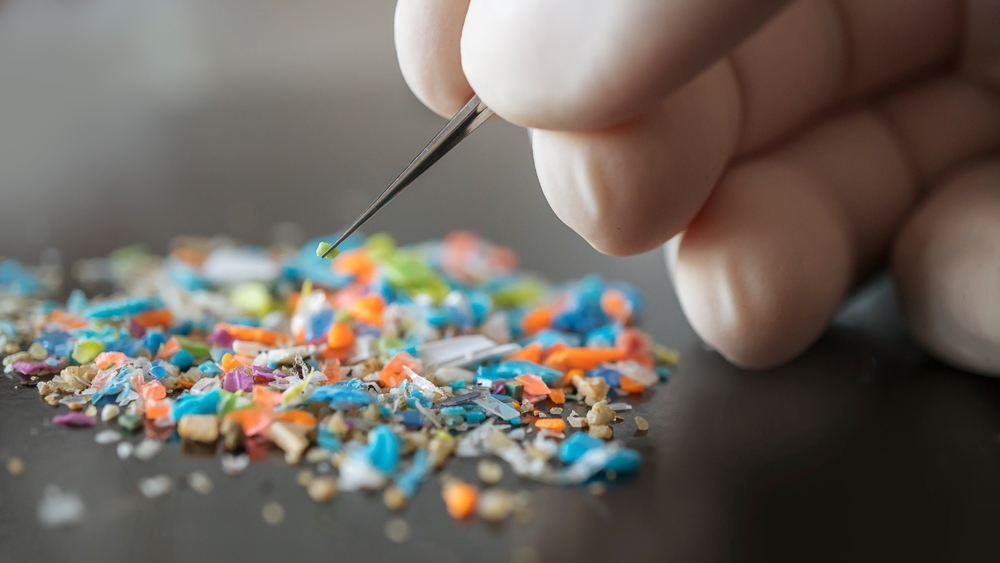
Microplastic pollution has emerged as a pervasive global problem, stemming from the extensive use of plastic products and their resilience in the environment. Addressing this challenge requires innovative and integrated strategies, according to a new study that advocates for the quintuple helix framework, a collaborative approach to solving complex environmental issues.
The Complexity of Microplastic Pollution
Microplastics—tiny plastic particles resulting from the breakdown of larger plastic items—are notorious for their diversity in structure and far-reaching environmental impact. They are challenging to isolate, analyze, and manage due to a lack of analytical tools and insufficient public awareness and behavioral change research.
The study highlights the need for an interdisciplinary strategy that incorporates various stakeholders, collectively referred to as the "five helixes," to generate effective policies and solutions.
What is the Quintuple Helix Framework?
First introduced in 2010, the quintuple helix framework views the environment as an active stakeholder, rather than a passive entity. By integrating five dynamic and interactive stakeholder groups—academia, government, industry, civil society, and the environment—it seeks to co-create knowledge and foster policies addressing microplastic pollution comprehensively.
Each stakeholder brings unique strengths to the table:
- Academia provides data, monitoring, education, and technological advancements.
- Government collaborates with other stakeholders to enforce regulations.
- Industry drives sustainable product development and supply-chain management.
- Civil society organizations raise awareness, advocate for policy changes, and foster community engagement.
- The environment, as a stakeholder, necessitates ecological assessments and conservation efforts.
Benefits of the Quintuple Helix Model
This holistic model has several advantages. By incorporating diverse perspectives, the framework fosters inclusive policymaking, ensuring solutions are not only driven by government directives but also reflect public and environmental interests. For instance, Canada’s 2021 classification of plastic as a toxic substance under the Canada Environmental Protection Act exemplifies how engaging multiple stakeholders can lead to effective regulatory outcomes. The quintuple helix also creates a feedback loop for continuous innovation, as ideas, technologies, and policies are refined through collaboration. Furthermore, by prioritizing public engagement, the framework empowers communities and civil organizations to actively participate in the fight against microplastics, as seen in initiatives like the Ellen MacArthur Foundation’s work on sustainable packaging. Placing the environment as a central stakeholder ensures that ecological concerns are prioritized, enabling the development of robust strategies to mitigate microplastic impacts.
Case Study: Sunway City, Malaysia
A practical example of this framework is evident in Sunway City, Malaysia, where a multi-stakeholder approach led to a citywide ban on single-use plastics. Legislation targeted plastic straws and bags, researchers explored innovations to repurpose plastic waste, businesses adopted sustainable practices, and NGOs collaborated with communities on educational campaigns and clean-ups. While the long-term impact of this initiative is yet to be fully assessed due to limited data, it illustrates the potential of collaborative action in addressing environmental challenges.
A Path Toward Sustainability
The researchers conclude that adopting the quintuple helix approach can address the multifaceted challenges of microplastic pollution while aligning with the United Nations Sustainable Development Goals. By fostering collaboration across sectors and emphasizing the environment’s role, this model offers a holistic pathway to sustainable solutions.
As microplastic pollution continues to threaten ecosystems worldwide, the quintuple helix framework may prove to be a game-changer in the fight against this pressing issue.
BOB Post