In the southern Gaza city of Khan Younis, Hanaa al-Masry, her husband, and six children are grappling with a stark reality 70 days after evacuating their home. Forced to relocate due to Israeli military warnings, they now find themselves preparing for Ramadan in a dilapidated tent in Rafah on the Egypt border.
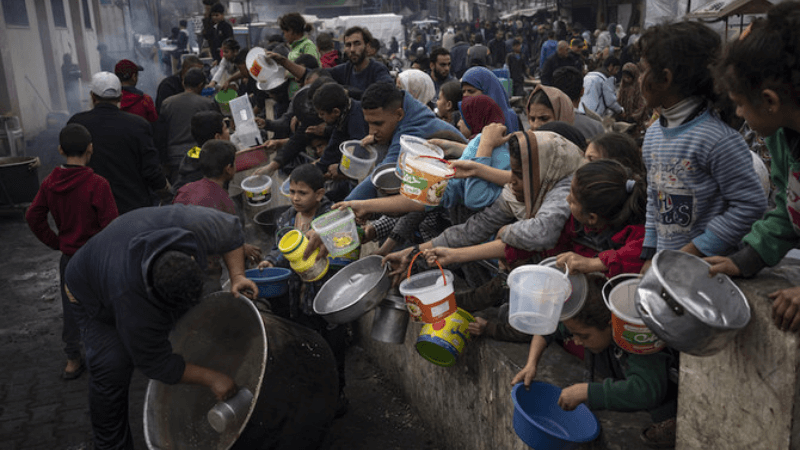
Conditions in Rafah, though comparatively better than the north where 20 deaths from starvation have been reported, present their own challenges. Essential supplies are scarce, with many relying on basic foods like flatbread and tinned goods from humanitarian agencies in Egypt. Rising costs make items like sugar and salt nearly unattainable, while fresh produce is rare and expensive.
Hanaa al-Masry, expressing the sorrow of disrupted traditions, shares, “My daughters used to carefully save their money to buy decorations, and every year I would choose a new Ramadan lantern. It is very depressing, very difficult.” This year, the family forgoes customary lanterns, and Masry won't prepare the traditional suhoor or iftar meals.
The conflict in Gaza, initiated by Hamas militants' October attack, has resulted in over 31,000 deaths, predominantly women and children. Much of Gaza is in ruins, with Israel attributing civilian casualties to Hamas' use of human shields—a claim the organization denies. Families face displacement, living in cramped conditions with limited access to necessities.
Hussein al-Awda, a program officer with an international NGO, details his struggle, stating, “There are some nuts and dried fruits in the market, the sort of thing we would have to break our fast in Ramadan, but they are just so expensive. Iftar will just be more beans.”
Electricity remains cut off, infrastructure is destroyed, and fuel shortages persist, leading to donkey carts becoming the primary mode of transport. Families are separated, and the fear of imminent attacks in Rafah, claimed by Israeli officials to house Hamas leaders, adds to the uncertainty. Despite international calls for a halt to military operations and increased humanitarian aid, those attempting to observe Ramadan face an uncertain future in the midst of conflict.
Alaa al-Shurafa, a lecturer at the Islamic University, reflects on the disheartening situation, saying, “We are now isolated from our loved ones, uncertain of when we can return to our home in Gaza.”
Masry, who used to find solace in her garden in Khan Younis but now laments, “I used to find solace in sitting in my garden, reciting the Qur’an and offering prayers to God. Now, my garden lies in ruins.”
BOB Post