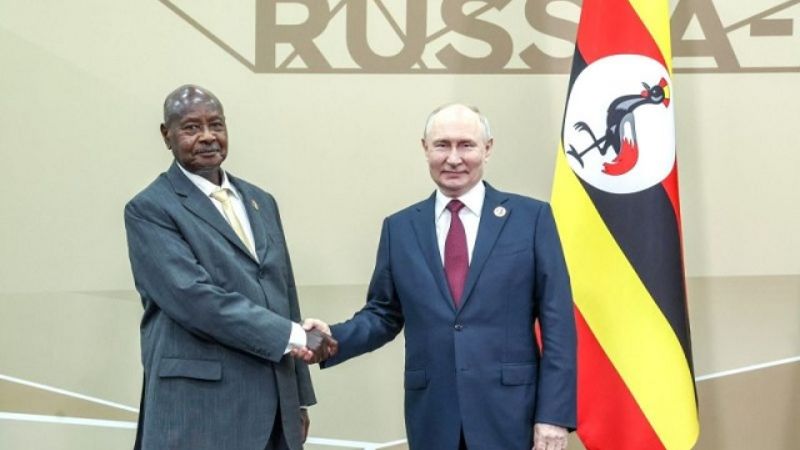
In a historic development, Uganda has officially joined BRICS (Brazil, Russia, India, China, and South Africa) as one of 13 new partner nations. The expansion, announced during the BRICS Summit in 2024, signifies a pivotal moment for Uganda’s international trade and investment strategy.
This partnership enables Uganda to strengthen its economic ties with some of the world’s largest emerging markets, benefiting from BRICS’ emphasis on alternative trade systems and financial mechanisms. As BRICS seeks to challenge the dominance of Western-centric institutions and foster a more balanced global economic order, Uganda's inclusion is poised to open new avenues for trade, technology transfer, and investment.
The decision also reflects Uganda’s evolving foreign policy priorities amid strained relations with many Western governments over contentious issues, such as the country's stance on LGBTQ rights. Joining BRICS offers Uganda an opportunity to diversify its alliances and tap into a more inclusive economic framework.
Moreover, this partnership is expected to significantly boost Africa's regional development and investment landscape. With Uganda’s entry, BRICS solidifies its presence in Africa, facilitating projects in infrastructure, energy, and technology that align with the continent’s development goals. As one of several African nations now linked to BRICS, Uganda is well-positioned to leverage the alliance to attract foreign direct investment, enhance intra-African trade, and accelerate regional integration under frameworks like the African Continental Free Trade Area (AfCFTA).
Alongside Uganda, other nations including Algeria, Indonesia, Turkey, Nigeria, and Vietnam have also joined BRICS, reflecting the group's growing influence in promoting multilateral economic cooperation. This expansion reinforces BRICS’ commitment to building an equitable and sustainable global economy.
BOB Post