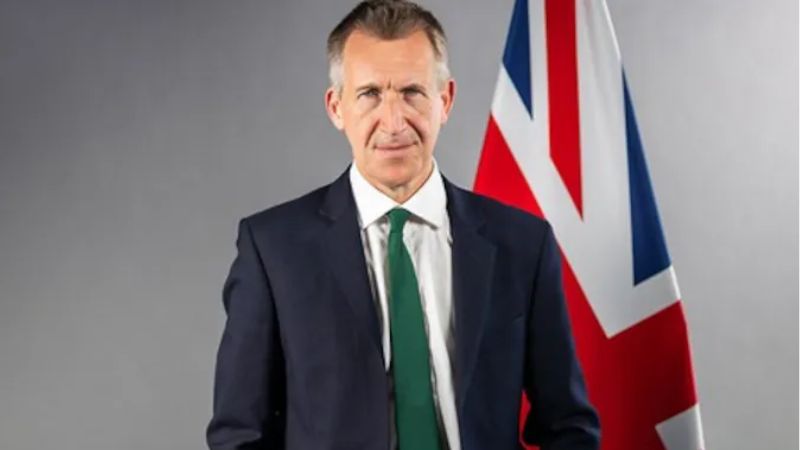
The UK Minister of State for Security, Dan Jarvis, has assured Sikhs in the country of protection against any alleged intimidation or harassment by foreign nations. His remarks came after some Sikhs in the UK claimed they were being targeted by or on behalf of the Indian government, including being questioned at airports about their views on India. These allegations have been previously dismissed by Indian authorities.
Jarvis addressed these concerns in a letter to the Sikh Federation, an organization associated with pro-Khalistan activities, as reported by The Guardian. Dated (December 10), the letter emphasized that the UK would not tolerate threats or intimidation by any foreign power.
“We do not tolerate intimidation or threats to life, and through our intelligence agencies and police forces, we will continue to use all the tools at our disposal to keep people safe,” Jarvis stated. He also urged India to respect sovereignty and cooperate with Canada on the ongoing investigation into the death of Hardeep Singh Nijjar, a Khalistani separatist leader.
Nijjar’s killing has sparked controversy, with Canadian Prime Minister Justin Trudeau accusing Indian agents of involvement—a claim strongly denied by India, which has called the allegations baseless and unsupported by evidence.
Criticism of UK Stance
India's former foreign secretary Kanwal Sibal criticized Jarvis's letter, accusing the UK of harboring anti-India elements, including Khalistani extremists and operatives of Pakistan's ISI. Sibal stated that the UK’s actions threaten India’s sovereignty and security.
“British Security Minister Jarvis is out of line in implying that the government of India is targeting Sikhs in the UK,” Sibal remarked, adding that the UK has long provided a safe haven for anti-India extremists.
Diverging Sikh Opinions
The claims made by the Sikh Federation have also been questioned by segments of the Sikh diaspora. Khalsa Vox, a Sikh platform, noted that these allegations lack credible evidence and do not reflect the sentiments of the majority of British Sikhs. The opinion piece highlighted that many Sikhs distance themselves from the divisive rhetoric of pro-Khalistan groups.
The UK’s stance has also drawn criticism for potentially legitimizing fringe elements while alienating the broader Sikh community, which largely supports peace and constructive engagement with India.
Broader Implications
The situation underscores ongoing tensions between India and Western nations over Khalistani separatist activities. With the UK, Canada, and India all members of the intelligence-sharing alliance Five Eyes, such disputes risk straining international relations. India has repeatedly called for stronger action against Khalistani outfits abroad, asserting that they threaten its sovereignty and incite violence.
For now, the UK government’s assurances to its Sikh citizens, coupled with its call for cooperation in the Nijjar case, reflect its attempts to balance domestic concerns with diplomatic sensitivities.
BOB Post