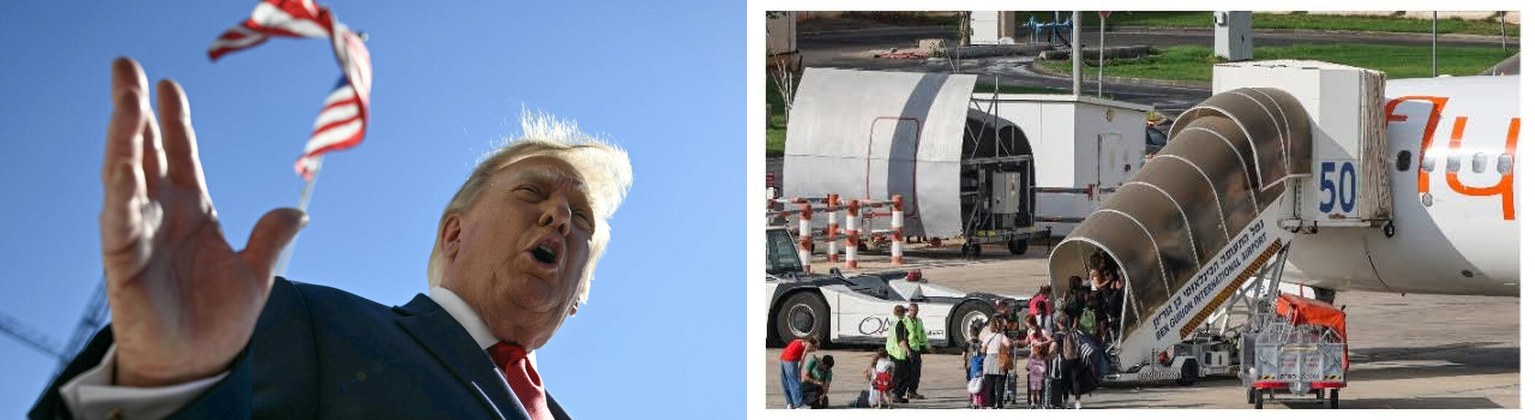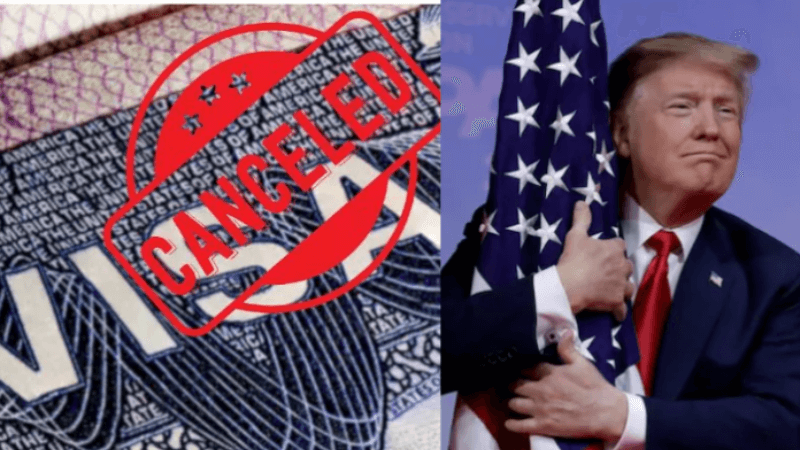
The United States has cancelled more than 6,000 visas belonging to international students this year, the State Department confirmed on Monday (August 18). Officials cited violations of US law, visa expiry, and alleged links to terrorism as primary reasons behind the cancellations.
According to the department, roughly 4,000 visas were revoked due to offenses such as assault, drunk driving, theft, and other legal breaches. An additional 200–300 visas were cancelled under Section 3B of the Immigration and Nationality Act (INA), which refers to involvement in or support for terrorist activities. However, authorities did not clarify what constituted terrorist support in specific cases.
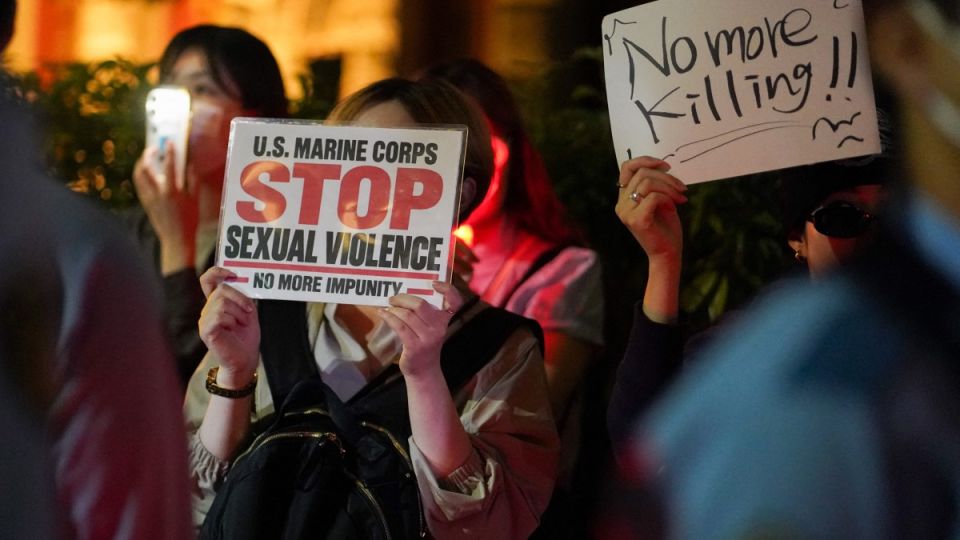
The move comes amid broader immigration restrictions under the Trump administration, which has maintained a tough stance toward foreign students and migrants. Reports suggest that some students were penalized for participating in pro-Palestine demonstrations, with officials framing such activism as antisemitic conduct.

Earlier this year, student visa interviews were temporarily suspended and later reinstated with stricter screening procedures. Applicants were required to make their social media accounts public, allowing officials to review whether posts contained any perceived hostility toward “US citizens, culture, government, institutions, or fundamental principles.”
In May, Secretary of State Marco Rubio told Congress that “several thousand student visas” had already been cancelled since January, warning that more would follow. “Those who come here as guests but disrupt our universities will continue to face visa revocations,” Rubio said.
Critics, however, warn that the sweeping cancellations risk undermining the US’s reputation as a global education hub. Democratic lawmakers have denounced the policy as an “attack on due process,” while education experts argue that it could deter talented students from choosing American universities.
International education advocates point to data from Open Doors, which reported that more than 1.1 million students from over 210 countries studied in the United States during the 2023–24 academic year. They caution that punitive visa policies not only affect individual students but could also damage the country’s soft power, innovation ecosystem, and international partnerships.
Observers note that the administration’s approach reflects a political balancing act framing student activism and social behavior as national security risks while potentially alienating future generations of global leaders educated in the US
BOB Post