A Houthi missile strike targeting Riyadh has opened a new and potentially more dangerous phase in the Saudi-Yemen conflict, putting the Saudi capital and key oil infrastructure directly in the line of fire.
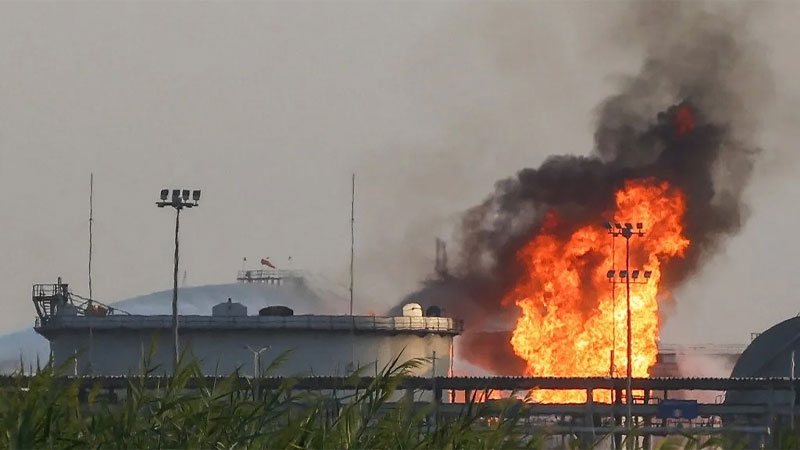
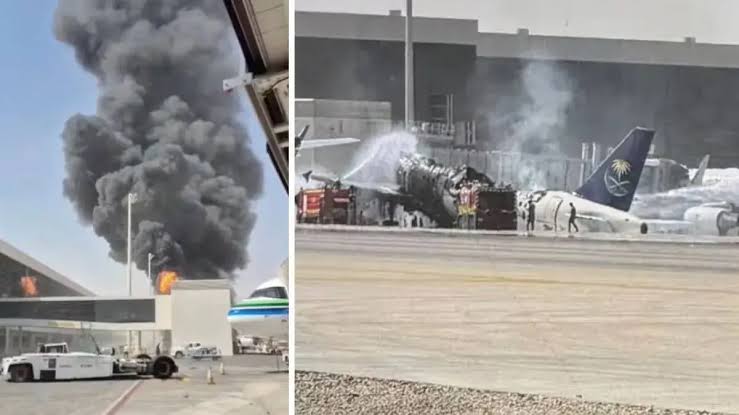
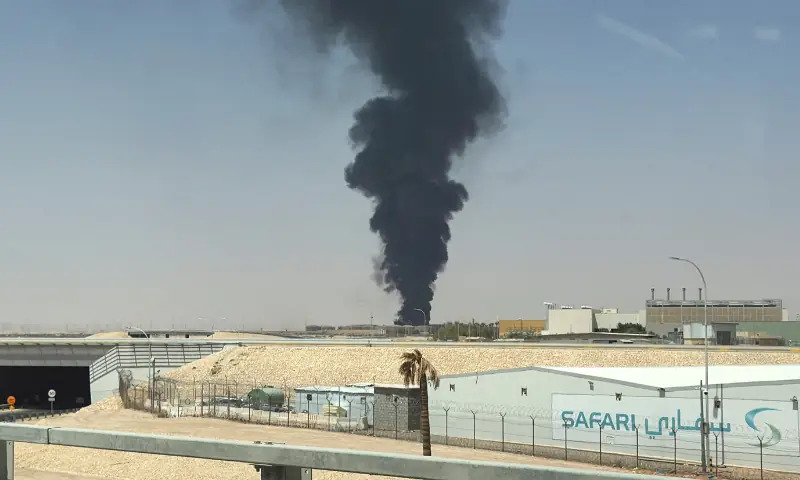
The missile attack, reported on Saturday, was the first known Houthi strike to threaten Riyadh since the Yemen conflict resumed. Loud explosions were heard across the Saudi capital, while flames and smoke were reported near the airport.
The Saudi-led coalition said it intercepted and destroyed a ballistic missile launched by the Houthis. It also said Houthi forces had attempted to strike civilian areas and infrastructure in several parts of western Saudi Arabia, including Yanbu, a major Red Sea port and oil export hub.
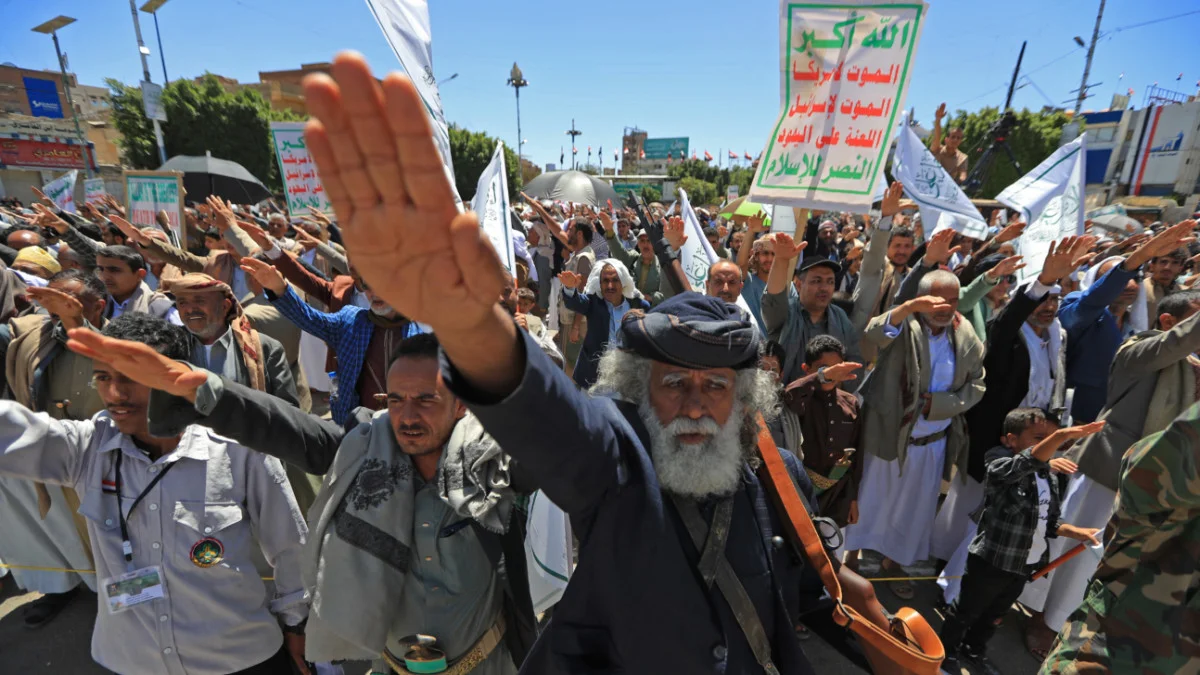
The Houthis, however, claimed responsibility for the attacks. Their military spokesman Yahya Saree said the group had launched ballistic and cruise missiles and drones against “sensitive sites” in Riyadh and Aramco facilities in Yanbu.
The United States warned that the confrontation could “escalate rapidly” and advised its citizens outside the Middle East to seriously reconsider travel to and through the region. Washington also imposed travel restrictions on American government personnel in Taif and Yanbu.
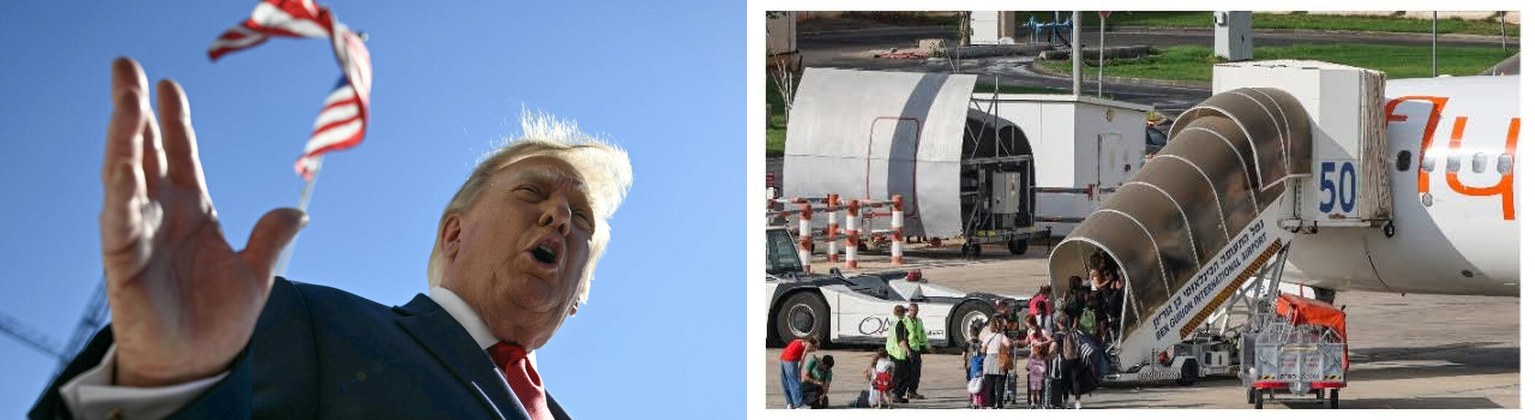
US President Donald Trump unexpectedly returned to the White House after cutting short a weekend at Camp David. The White House did not provide an explanation for the early return, adding to speculation over Washington’s response to the rapidly changing situation.
According to AFP, the latest attack has crossed an important threshold in the conflict because the threat has reached the Saudi capital itself. Analysts say Saudi Arabia has previously been able to absorb attacks on remote military and energy facilities, but repeated strikes around Riyadh, airports and fuel installations could create much greater political and security pressure on the kingdom.
The escalation comes as the Houthis continue a rapid offensive inside Yemen, seizing additional territory and pushing closer to strategically important areas along the Red Sea coast. The fighting has displaced more than 110,000 people in recent weeks, according to the UN refugee agency.
The developments are also raising concern over the Bab el-Mandeb Strait, one of the world's most important maritime chokepoints. The narrow waterway connects the Red Sea with the Gulf of Aden and provides a key route for ships moving between Europe, Asia and the Middle East.
Any prolonged disruption around Bab el-Mandeb could have consequences far beyond Yemen and Saudi Arabia. The route is particularly important for oil shipments and global trade, while the wider Middle East conflict has already placed pressure on maritime traffic and energy markets.
Saudi Arabia has launched scores of airstrikes against Houthi-controlled areas in Yemen in an effort to slow the group's advance. The campaign, however, has not prevented the Houthis from expanding their reach or threatening targets inside Saudi territory.
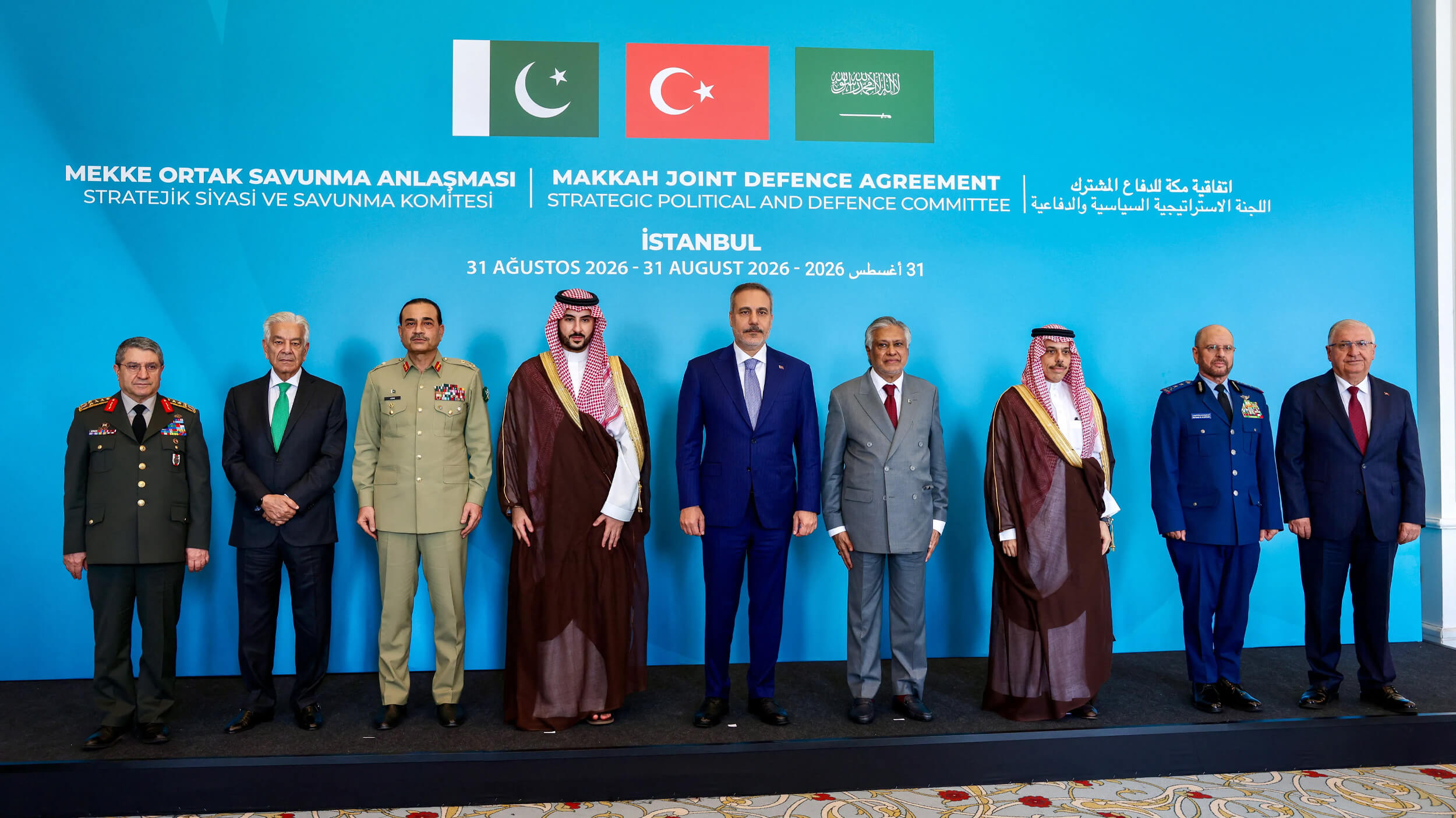
Regional diplomacy is now becoming increasingly important. Turkish Foreign Minister Hakan Fidan said Ankara had held discussions with Saudi Arabia and Pakistan over possible assistance, including military and technical requirements.
Egypt has also been drawn deeper into the regional security discussions. CIA Director John Ratcliffe visited Cairo on Sunday, shortly after Saudi Crown Prince Mohammed bin Salman met Egyptian President Abdel Fattah al-Sisi. The two leaders called for safe and secure navigation through Bab el-Mandeb.
The Saudi-Houthi confrontation is unfolding alongside the broader US-Iran conflict, which has already destabilised the region. Iran-backed groups, including Hezbollah in Lebanon and the Houthis in Yemen, have opened additional fronts against their opponents.
Tehran has also been using the Strait of Hormuz as leverage in its confrontation with Washington. Iran's top negotiator said the country had conveyed conditions through mediators for reopening the waterway, while Foreign Minister Abbas Araghchi travelled to New York for the UN General Assembly.
With Riyadh now facing direct missile threats and both Bab el-Mandeb and Hormuz under heightened security pressure, the conflict is taking on a wider regional dimension, with potential consequences for oil supplies, shipping and the fragile security balance across the Middle East.
BOB Post