Radio has been a vital medium of communication for over a century, playing an essential role in connecting people across vast distances. From its early development to its use in global conflicts and its continued relevance in modern society, radio remains a resilient and widely used tool of communication.
The Origins of Radio Communication
The history of radio dates back to the late 19th century when inventors like Guglielmo Marconi successfully demonstrated wireless telegraphy. His experiments led to the first transatlantic radio signal in 1901, proving that messages could be sent without physical connections. Over time, radio evolved into an essential medium for news, entertainment, and emergency communication.
Radio as a Wartime Tool
During both World War I and World War II, radio played a crucial role in military strategy, propaganda, and civilian morale. Governments used radio to broadcast news updates, issue warnings, and spread wartime messages. The ability to send real-time updates and coded transmissions allowed nations to coordinate military operations efficiently. Additionally, resistance movements in occupied territories used clandestine radio stations to communicate and rally support against enemy forces.
Radio Communication in Africa Post-Globalization
With the rise of globalization, radio has remained a dominant communication tool in Africa, especially in rural areas where internet access is limited. Community radio stations serve as a lifeline for education, health awareness, and agricultural information. They also promote local culture and languages, ensuring that diverse communities stay informed and engaged in societal development.
The Role of Radio in South Asian Coastal Areas
In the coastal regions of South Asia, radio is an essential source of information for fishermen and local communities. Given the vulnerability of these areas to natural disasters like cyclones and tsunamis, radio provides critical weather updates and disaster preparedness warnings. Governments and NGOs utilize radio stations to relay life-saving messages and ensure that remote populations receive timely alerts and guidance.
World Radio Day and Future Aspirations
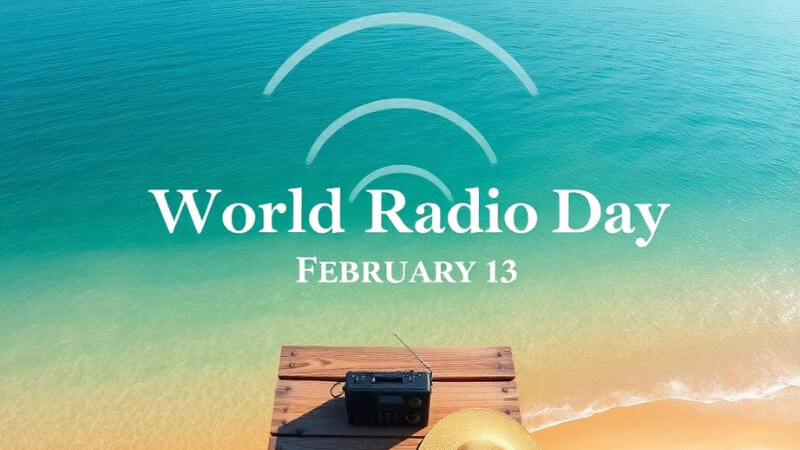
"Radio is the most intimate and socially personal medium in the world." - Harry Von Zell. World Radio Day, celebrated annually on February 13, highlights the importance of radio in fostering dialogue, information sharing, and cultural expression. As technology continues to advance, the future of radio lies in digital broadcasting, podcasting, and AI-driven automation, making it more interactive and accessible. The aspiration is to ensure that radio remains a dynamic and inclusive medium that adapts to modern communication needs while continuing to serve as a reliable source of information
BOB Post