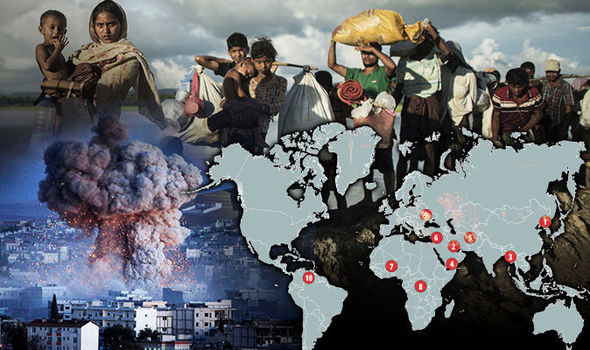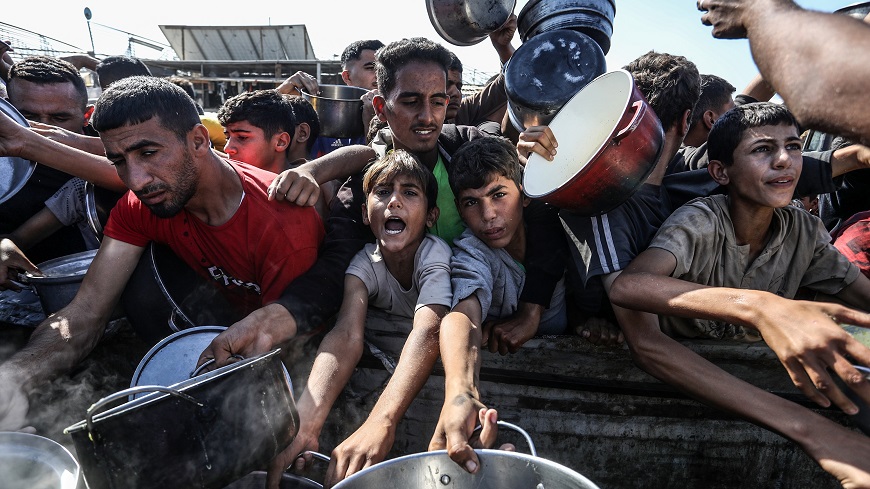
World Humanitarian Day 2026 arrives at a moment when the world’s humanitarian system is under extraordinary pressure. Across conflict zones, refugee camps and disaster-hit communities, the need for assistance is expanding faster than the international response. From the Rohingya camps in Bangladesh and the devastated Gaza Strip to Sudan, Yemen and other forgotten emergencies, millions are facing prolonged displacement, hunger and insecurity. Yet shrinking funds, restricted humanitarian access and weak political action are leaving aid agencies increasingly unable to meet even the most basic needs.
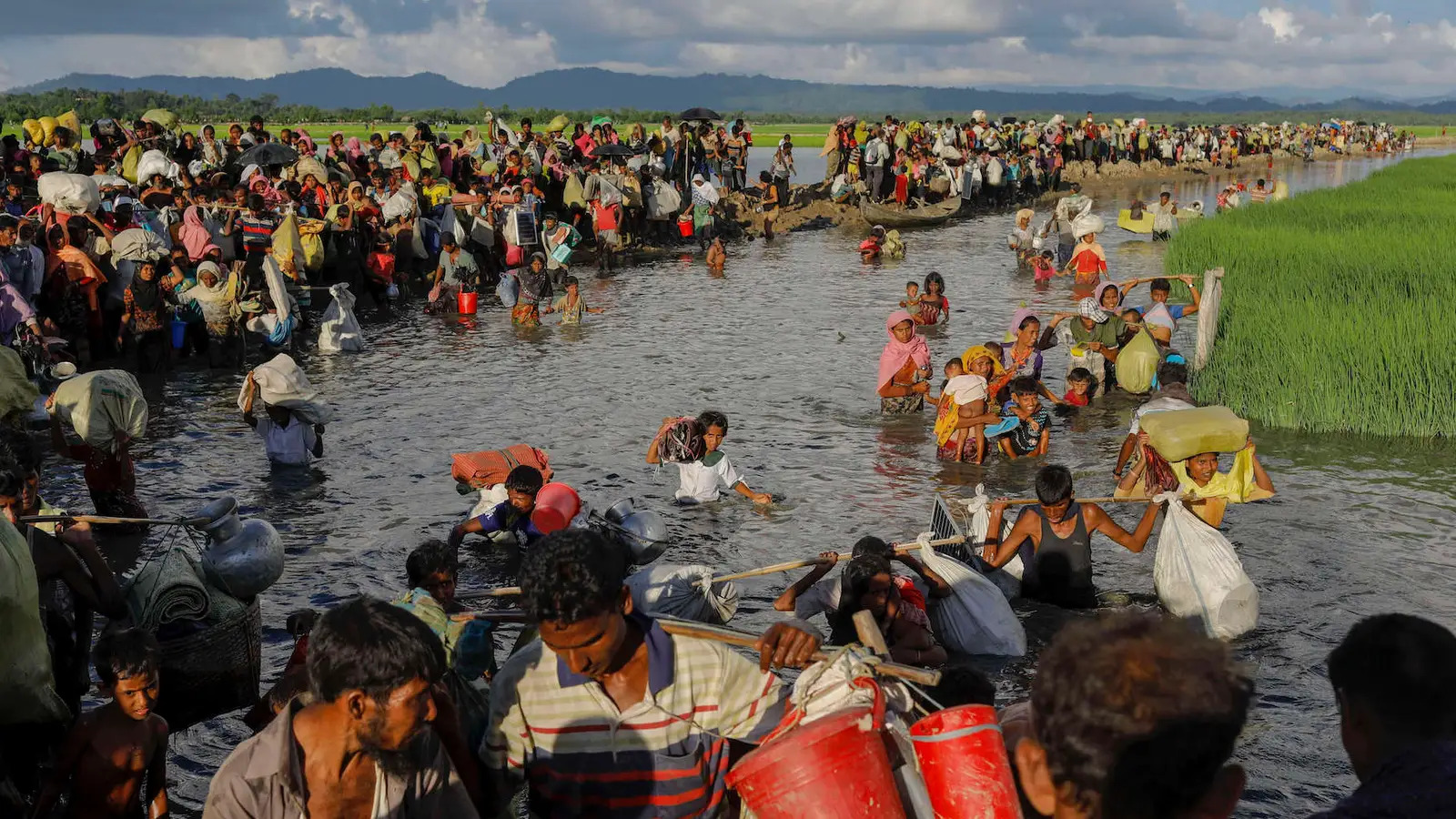
The Rohingya crisis offers one of the clearest examples of this widening gap. Nearly nine years after the mass exodus of 2017, around 1.2 million Rohingya remain in Bangladesh, mainly in overcrowded camps in Cox’s Bazar and on Bhasan Char. More than half are children. Since early 2024, around 150,000 additional Rohingya have reportedly fled renewed violence in Myanmar’s Rakhine State, adding further pressure to an already overstretched humanitarian operation.
The 2026 Joint Response Plan seeks $710.5 million to provide essential assistance to refugees and host communities. But funding has fallen significantly short of the requirement. Food assistance has already been reduced for many refugees, while education, health and protection programmes face mounting constraints. During the monsoon season, heavy rains and landslides add another layer of danger, repeatedly destroying shelters and putting already vulnerable communities at risk.
Nearly a decade into the crisis, the international response has also failed to deliver a credible pathway home. Repatriation remains stalled, with Myanmar verifying only a portion of the names submitted by Bangladesh and continuing to cite security concerns in Rakhine. International meetings and repeated calls for a durable solution have produced limited results. Third-country resettlement has provided opportunities to only a small number of refugees. For the vast majority, temporary refuge is becoming an indefinite reality.
Gaza presents an even more devastating picture. Most of its 2.1 million residents remain displaced amid the destruction of homes and critical infrastructure. Hospitals and health facilities continue to operate under severe constraints, facing shortages of medicines, equipment and fuel. Humanitarian access remains restricted, while funding for the 2026 response remains far below what is required. Aid agencies have already been forced to reduce food and cash assistance, raising fears of further deterioration if additional resources do not arrive.
The risks faced by humanitarian workers themselves have also become a defining feature of the global crisis. Nearly 600 aid workers have been killed in Gaza since late 2023, while more than 1,000 humanitarian workers have reportedly lost their lives globally over the past three years. Attacks on health facilities and humanitarian personnel continue in several conflict zones, including Myanmar and the occupied Palestinian territory.
Sudan, Yemen and other prolonged emergencies are experiencing the same pattern: rising needs accompanied by declining resources and insufficient political attention. Humanitarian appeals are increasingly underfunded, forcing aid agencies to make impossible choices about who receives food, shelter, health care and protection—and who is left without them.
World Humanitarian Day, observed each year on August 19, commemorates humanitarian workers killed in the 2003 bombing of the UN headquarters in Baghdad. In 2026, the day carries a particularly urgent message: humanitarian workers cannot compensate for political failure. They can deliver food, medicine and protection, but they cannot negotiate peace, guarantee civilian safety or resolve the conflicts that repeatedly create humanitarian emergencies.
The central question on World Humanitarian Day 2026 is therefore not simply how much aid is available, but why the world continues to allow humanitarian crises to become permanent. Humanitarian workers are being asked to operate in increasingly dangerous environments while donors face competing emergencies and governments remain divided over political solutions. The result is a system increasingly focused on managing suffering rather than preventing or ending it.
For Bangladesh, the consequences are especially stark. The country continues to host roughly 1.2 million Rohingya refugees while carrying the economic, environmental and social pressures of a crisis that originated beyond its borders. The longer repatriation remains stalled and international funding declines, the heavier that burden becomes.
World Humanitarian Day 2026 should therefore be more than a commemoration of humanitarian workers who have lost their lives. It should be a moment of accountability. The world cannot repeatedly pledge solidarity while allowing funding gaps to widen, humanitarian access to shrink and political solutions to remain out of reach. The measure of the international humanitarian system is not how strongly it speaks in times of crisis, but whether it can turn those words into protection, resources and lasting solutions for people who have already waited far too long.
BOB Post