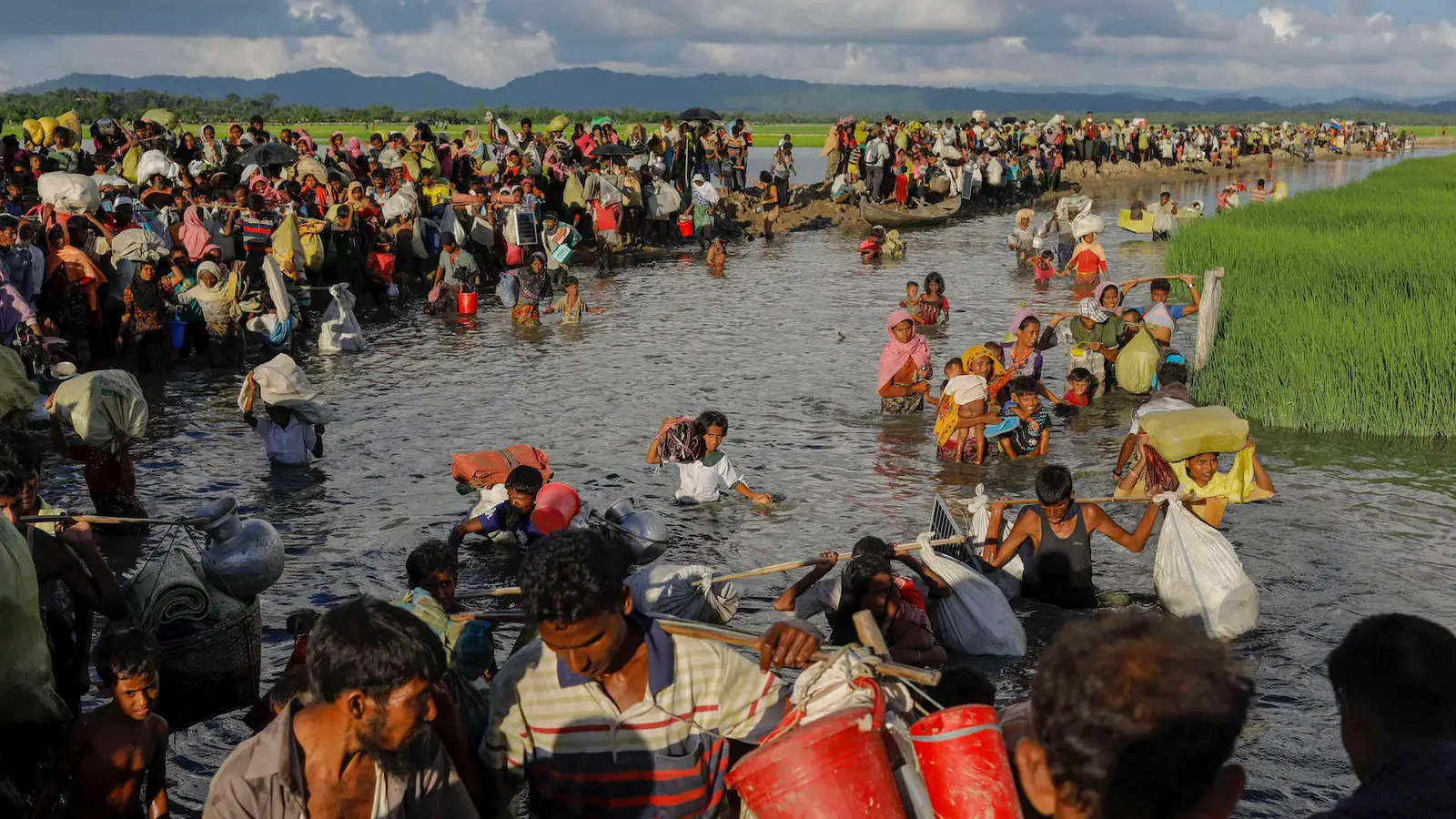
Nine years after the guns fell silent, the ashes of memory still refuse to settle. On this Rohingya Genocide Remembrance Day, the camps stretch under the same sky that once watched villages burn, while the world debates numbers instead of justice.
Myanmar continues to rewrite the story. It calls the victims “Bengalis.” It claims only a fraction of the displaced were ever its residents. It verifies roughly 309,000 names out of more than 800,000 submitted, then delays return citing insecurity in Rakhine. The military still denies genocidal intent. These claims collide with UN fact-finding reports, the ICJ case brought by The Gambia, and the ICC investigation into crimes against humanity.
Bangladesh has carried the weight for nearly a decade. It opened its border in 2017. It hosts nearly 1.2 million registered Rohingya. It has spent scarce resources on shelter, food, health and security while donor funding shrinks. Local communities have absorbed the pressure. The camps cannot remain a permanent solution. Prolonged displacement breeds despair, risky sea journeys and regional strain.
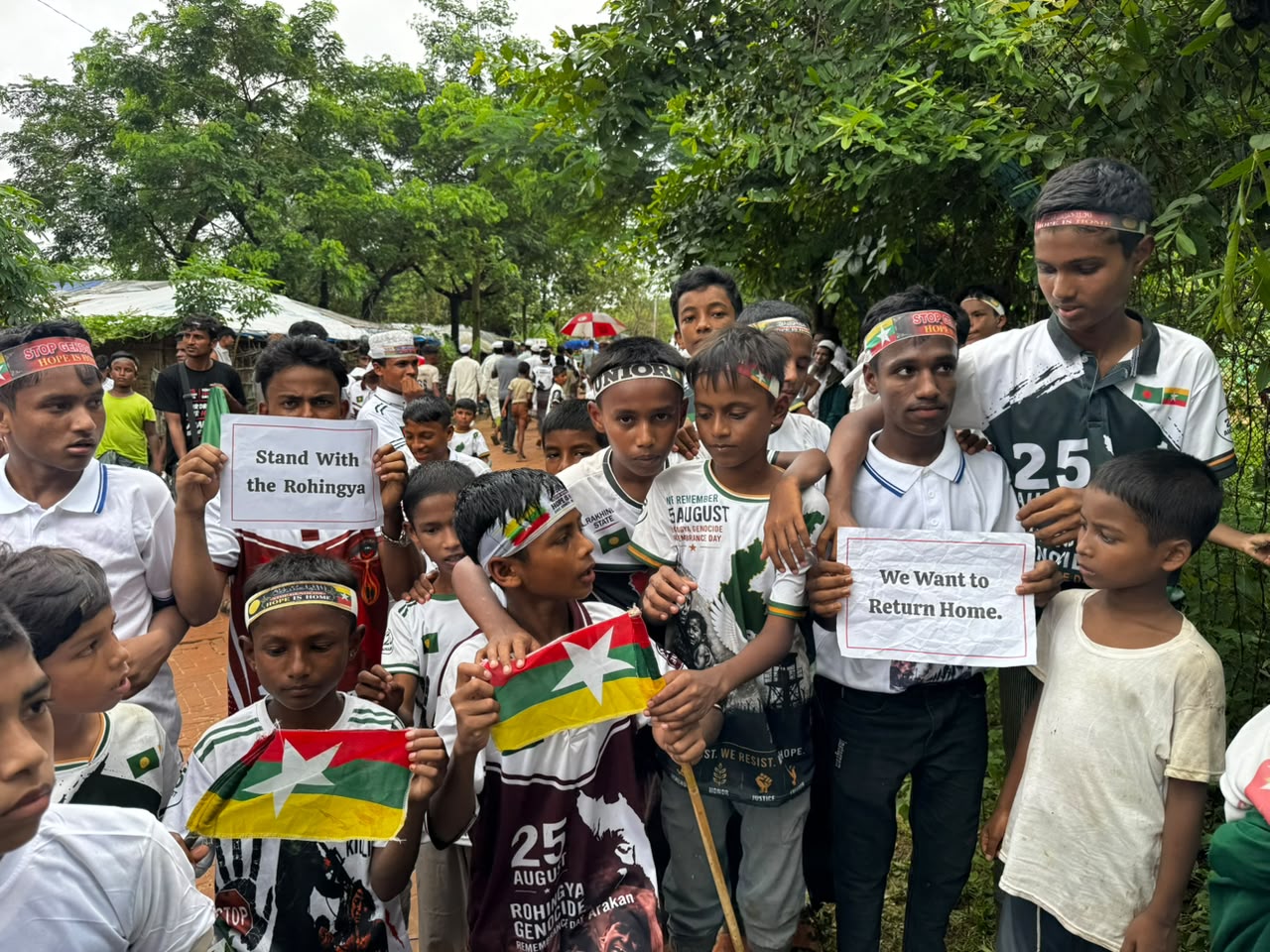
Repatriation is the only durable path. It must be voluntary, safe, dignified and sustainable. That requires more than bilateral lists. It demands citizenship rights restored, security guaranteed, and accountability enforced. Myanmar’s current offers fall short. Partial verification and security excuses shift the burden back onto Bangladesh and the refugees themselves.
International accountability cannot wait. The ICJ merits hearings examined state responsibility under the Genocide Convention. The Independent Investigative Mechanism for Myanmar continues collecting evidence. Arrest warrants sought at the ICC target senior figures. Yet no perpetrator has faced trial. Words of condemnation without consequences allow falsehoods to harden into policy.
The burden now rests with the international community and with Myanmar. Bangladesh has done its part. It cannot absorb endless humanitarian costs while the root causes remain unaddressed. Shared responsibility means pressure for genuine conditions of return, sustained funding for the camps in the interim, and legal pursuit of those responsible for the 2017 clearance operations and earlier violence.
On this Remembrance Day the candles burn in the camps. The names of the dead are spoken again. Justice delayed is not justice denied only if the world finally chooses action over repetition. The road home must open, or the silence of another year will become the next falsehood.
BOB Post