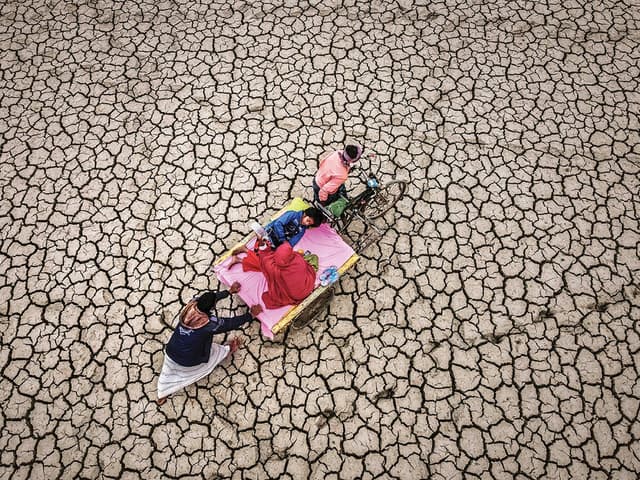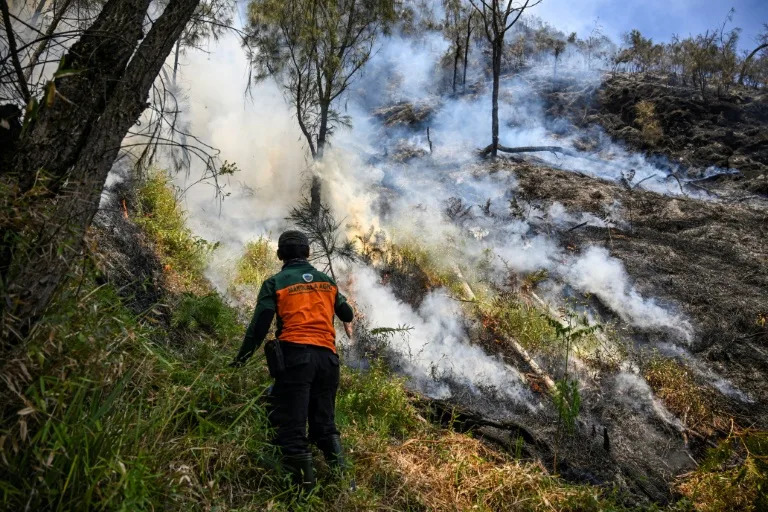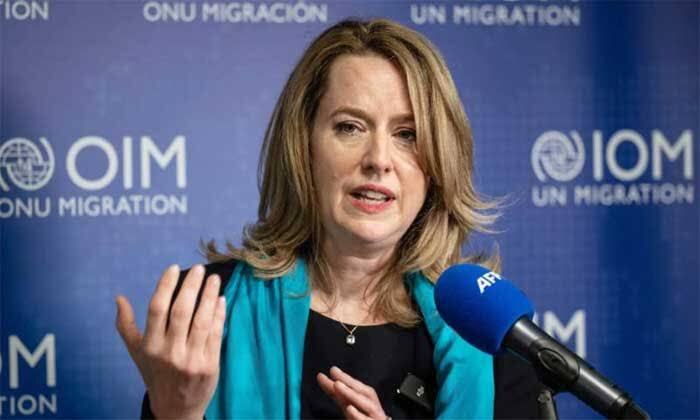
Climate change is threatening homes, farmland and livelihoods across South Asia, with as many as 40.5 million people potentially forced to move by 2050 under a worst-case scenario, the United Nations migration chief has warned.
Rising sea levels, floods and droughts are putting vulnerable communities at greater risk, while limited resources and inadequate investment in climate adaptation are making it harder for people to withstand the effects, Amy Pope, director-general of the International Organization for Migration (IOM), said during a visit to New Delhi.
According to AFP, Pope said climate-related displacement often begins when families can no longer grow food or sustain their livestock, leaving migration as one of the few options available to them.
“When they can’t produce food, when they can’t feed their livestock, it increases the likelihood of displacement,” she said. “The first adaptation is often for people to move.”
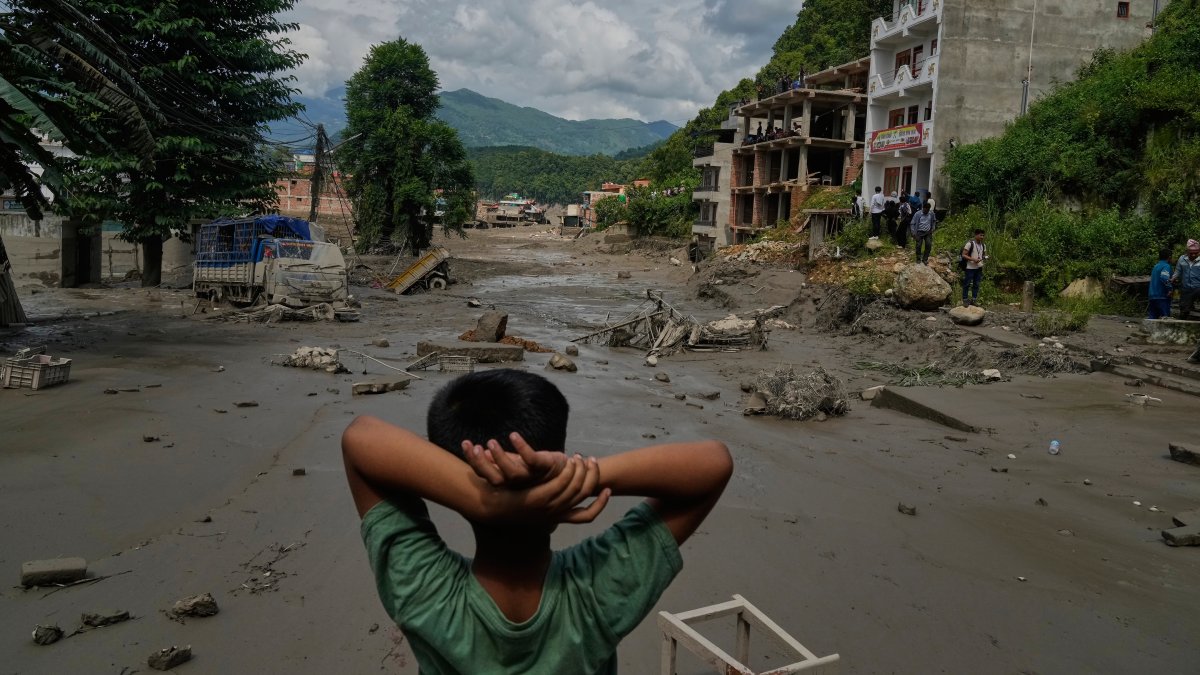
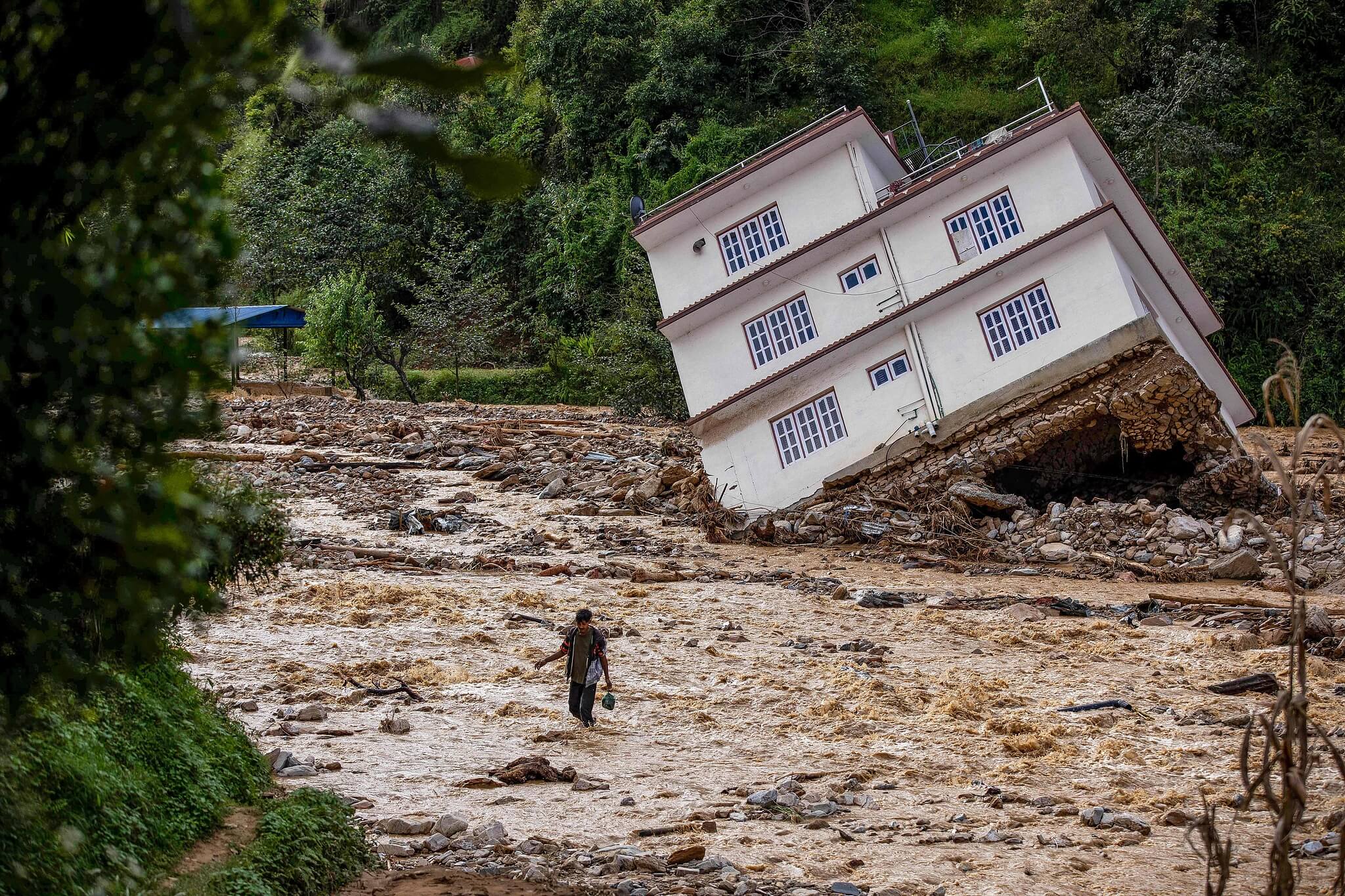
The danger is particularly evident in the Himalayan region, where extreme weather and environmental changes threaten settlements and livelihoods. Pope cited a disaster in Nepal on August 26, when a mountain and glacier collapse triggered deadly flooding. The IOM provided humanitarian assistance to affected communities.
Climate pressures are also contributing to rapid urbanisation in India, as people leave areas where rising temperatures and other environmental threats make daily life increasingly difficult.
“As people seek shelter from heat, they’re going into urban centres,” Pope said.
She warned that governments and international partners needed to act before climate-related disasters force people to leave their homes. Better forecasting, improved access to information and investment in community resilience could help reduce the scale of future displacement.
Artificial intelligence and weather forecasting tools could help authorities identify communities facing the greatest risks by combining climate projections with information about local livelihoods, she said.
“If you know a community is at risk, we don’t need to wait until they’re displaced to respond,” Pope said.
Possible measures include improving farming practices, providing training for alternative employment and relocating communities that repeatedly face floods or droughts.
However, funding remains a major obstacle, with governments often struggling to access the resources needed to prepare for climate change.
“The cost of a humanitarian disaster is in the billions. The cost of investing in some of the resilience measures can be far less,” Pope said, urging greater attention to preventive action.
She praised India's investment in early-warning systems, disaster response and technology but stressed that no country could address the growing challenge alone.
Pope also highlighted international migration as a potential means of supporting livelihoods and meeting labour shortages in other countries. Established migration routes across South Asia could provide a foundation for expanding opportunities for workers affected by climate and economic pressures.
“Here we have government partners who recognise both the threats to their communities but they’re also using migration as a tool for development,” she said.
She cautioned, however, that expanding overseas employment opportunities must go hand in hand with safe and legal recruitment channels. Without proper safeguards, workers risk exploitation by traffickers and smugglers, including through fraudulent job offers.
Pope also said India's technological capacity could help workers prepare for changes in the global labour market as artificial intelligence transforms employment.
While AI may reduce demand for some jobs involving routine document and report analysis, other industries will continue to need human workers. Training people for emerging occupations and connecting them with international employment opportunities could help them benefit from those changes, she said.
“This is a place where I have more optimism than in places where we’re dealing with the most acute crises,” Pope added.
BOB Post