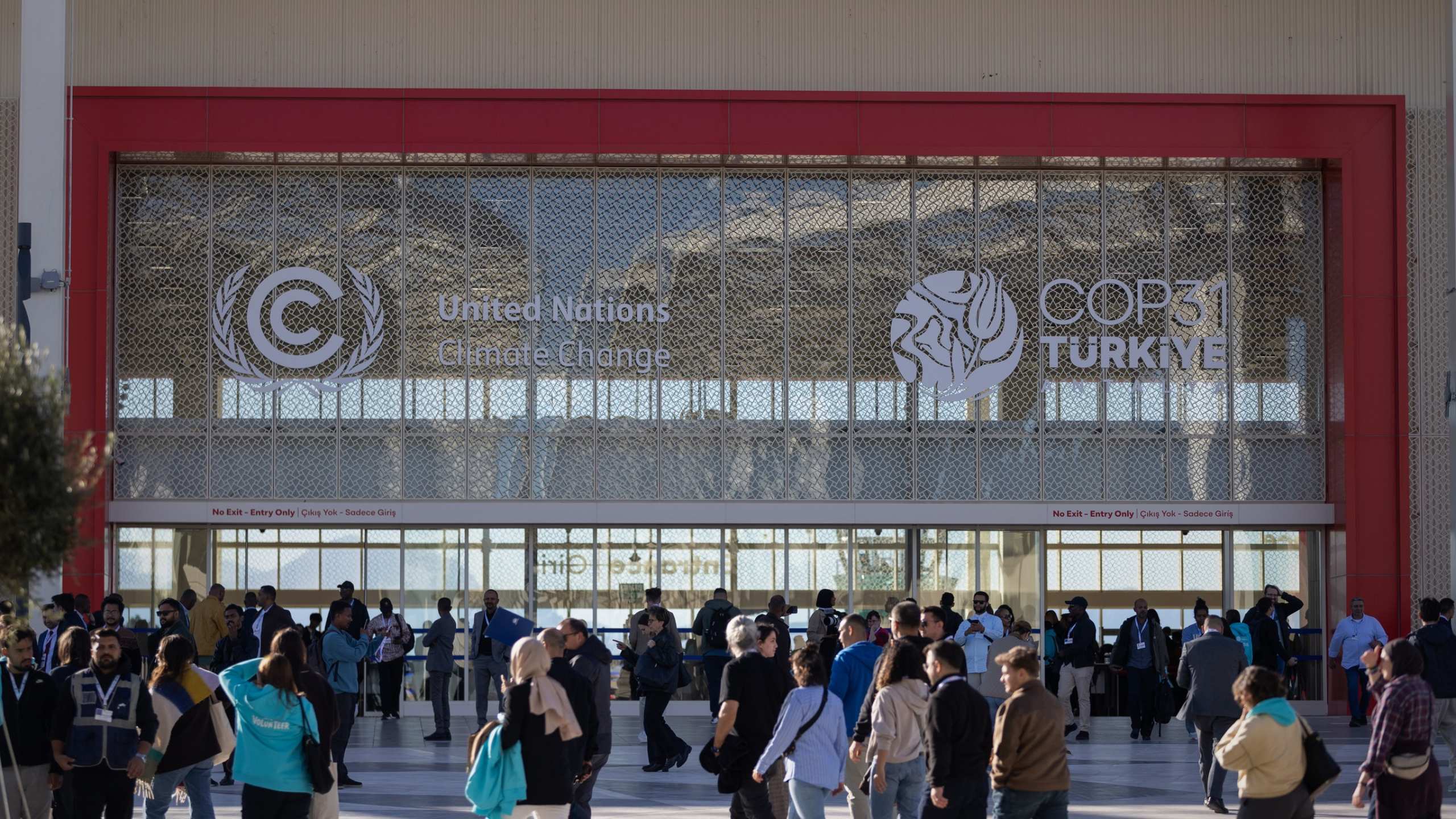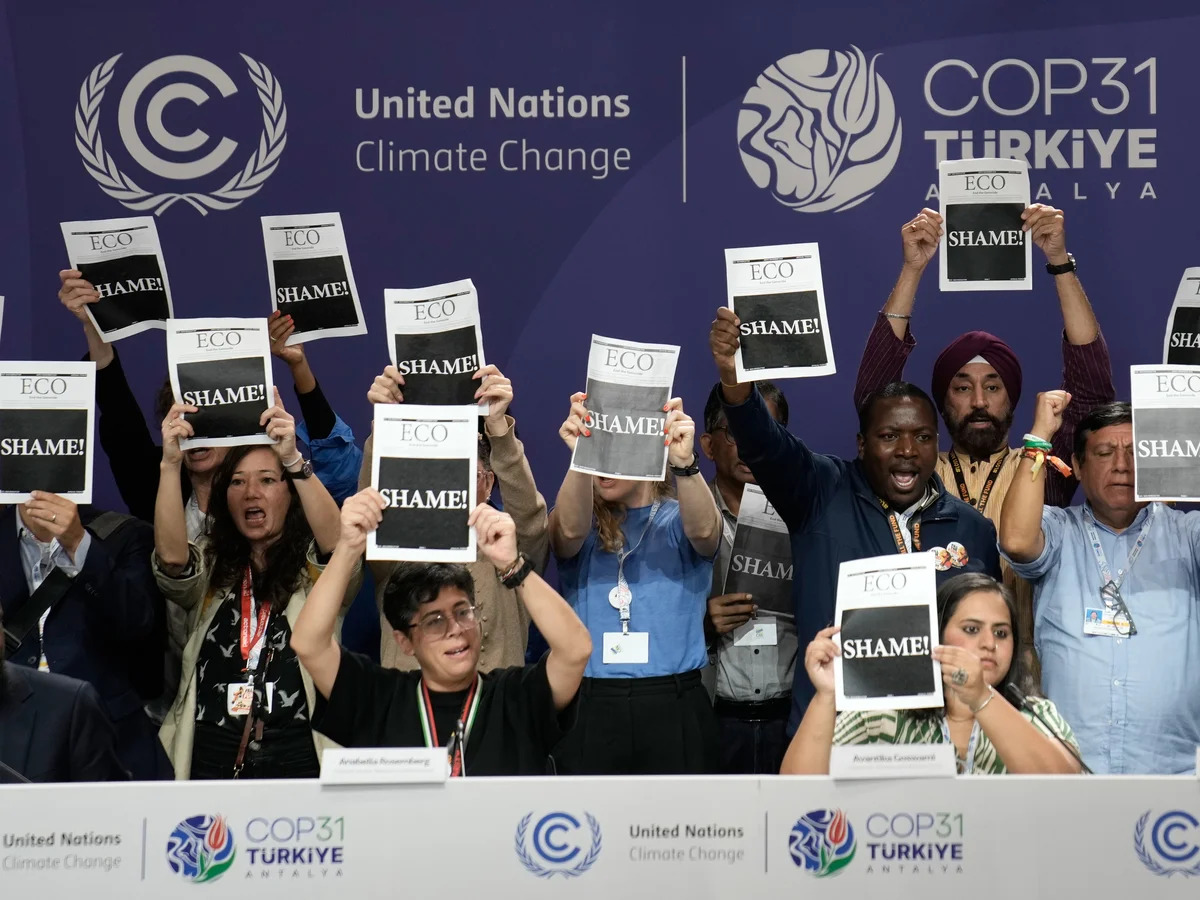
The world’s climate negotiations ended with more political blame than environmental commitment, as COP31 collapsed without a final agreement on Sunday after an exhausting diplomatic standoff in Turkey. The failure exposed how economic interests and geopolitical rivalries continue to outweigh the urgency of the climate crisis.
The UN summit in Antalya ran more than 49 hours beyond its scheduled closing time before negotiators abandoned efforts to secure a common declaration. The biggest obstacle was the refusal of oil-producing countries to accept any clear reference to phasing out fossil fuels.
UN Secretary-General Antonio Guterres expressed deep disappointment, saying governments had failed to meet the demands of the climate emergency. He had earlier urged world leaders to move away from fossil fuels, describing them as a threat to the planet's future.
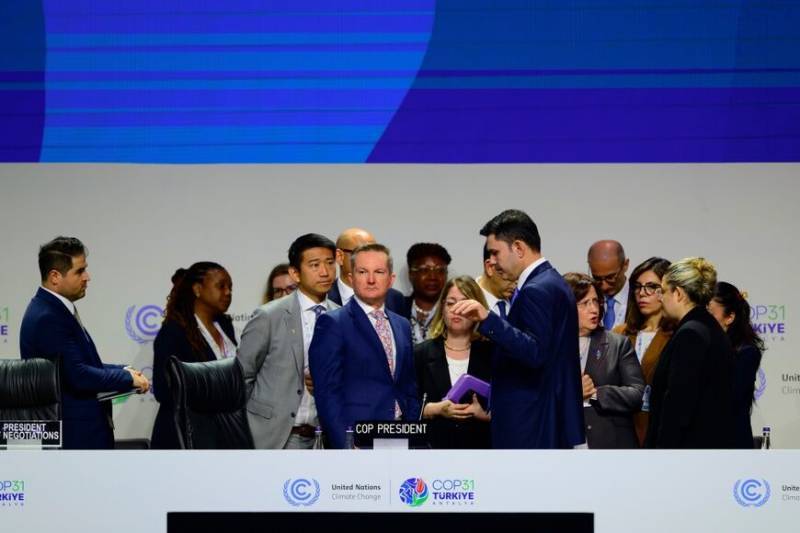
Australia's Climate Minister Chris Bowen, who chaired the negotiations, admitted that opposing positions among nearly 200 countries had made an agreement impossible. He described the disagreements as unbridgeable, while COP31 President Murat Kurum eventually brought the prolonged talks to an end.
According to AFP, the European Union and Saudi Arabia clashed over the pace of the transition away from coal, oil and gas. Ireland, Panama, Vanuatu and the Marshall Islands also rejected the proposed outcome, arguing that any meaningful climate agreement must directly address fossil fuel dependence.
Former US vice president Al Gore criticised the influence of oil-producing states, accusing a handful of countries of holding the entire negotiation process hostage. He also called for major reforms to the COP system.
The collapse has raised fresh questions about whether the annual UN climate summits can deliver meaningful action. UN climate chief Simon Stiell warned that the world could not afford another failure of this scale.
The dispute also exposed the growing gap between wealthy industrialised nations and vulnerable developing countries. While smaller nations demanded stronger commitments and financial support, a proposed $120 billion climate finance target disappeared from the final agreement.
The failed Antalya Pact also failed to reinforce international commitment to limiting global warming to 1.5 degrees Celsius. Meanwhile, critics questioned the inclusion of carbon capture technology, which has been promoted by the fossil fuel industry despite concerns over its cost and effectiveness.
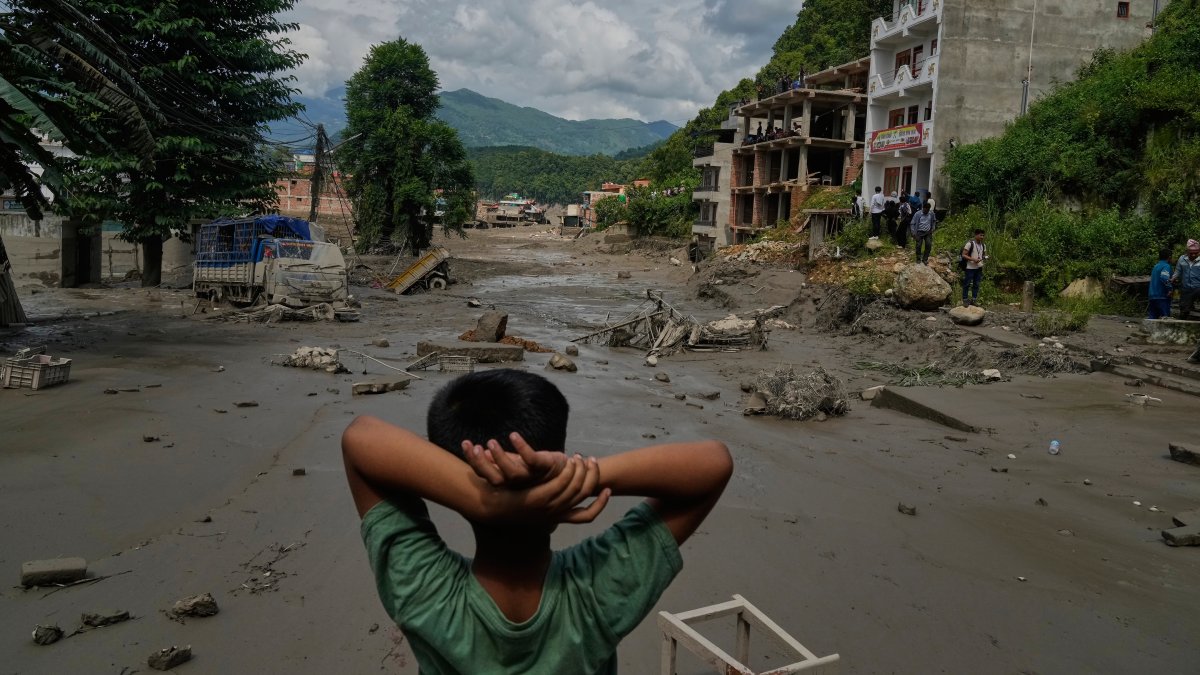
With climate-related disasters intensifying across regions, countries are increasingly exploring alternatives outside the COP framework. Yet the latest breakdown sends a troubling message: even as the climate crisis accelerates, the world's major powers remain divided over the basic steps needed to address it.
BOB Post