South Asia has emerged as the world’s most climate-vulnerable urban region, with nine major cities recording the highest levels of residual climate risk in a new global analysis by AlphaGeo. The findings place Ahmedabad, Hyderabad, Multan, Dhaka, Kolkata and Lahore among the cities facing the greatest remaining risks from extreme heat, flooding and other climate hazards.
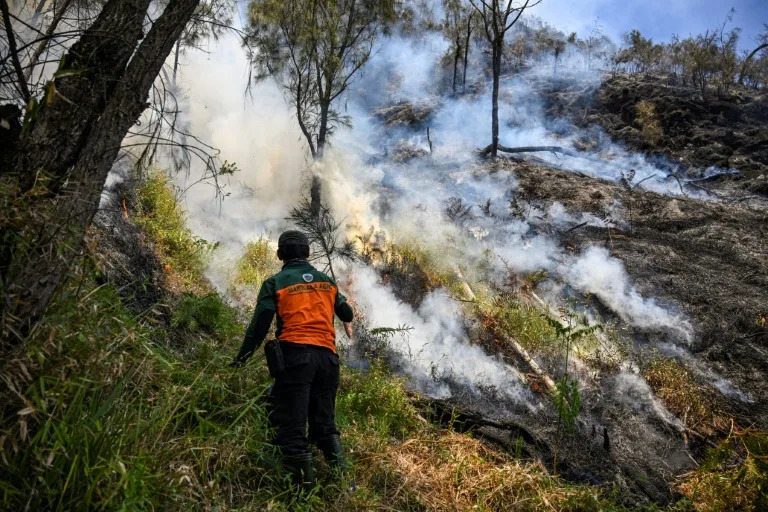
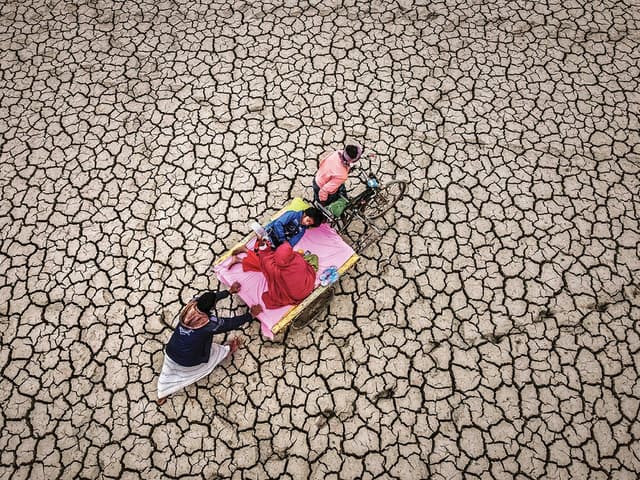
AlphaGeo’s report, How Climate Resilient Are the World’s Largest Cities?, assessed 72 major cities using its Climate Risk & Resilience Index (CRRI). The analysis examined six major physical hazards, including inland and coastal flooding, heat stress, drought, wildfires, and hurricane-force winds, before measuring how much of that risk remains after accounting for adaptation measures.
The nine highest residual-risk cities were all located in South Asia. India’s Ahmedabad and Pakistan’s Hyderabad topped the list with resilience-adjusted risk (RAJ) scores of 41 each, followed by Pakistan’s Multan with 38. Bangladesh’s Dhaka scored 36, while India’s Kolkata and Pakistan’s Lahore each recorded 35. The remaining three South Asian cities in the top nine were also identified by AlphaGeo as having among the highest residual climate risks globally.
Dhaka, in particular, recorded the highest physical climate-risk score among all 72 cities, at 60. Although adaptation measures reduced part of its exposure, the city’s RAJ score remained at 36, highlighting the gap between extreme physical exposure and the capacity to absorb and manage climate shocks.
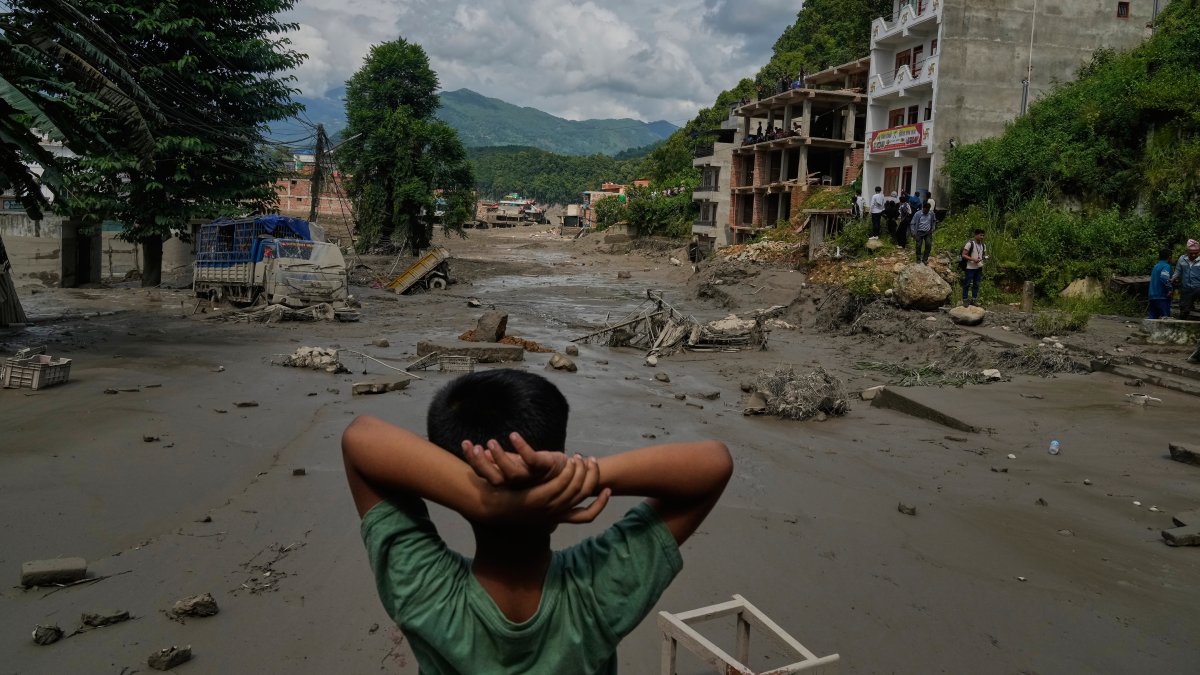
According to Firstpost, the findings gain added significance amid devastating floods in Nepal, where more than 1,300 people have reportedly died and thousands remain missing. The disaster has underscored the vulnerability of South Asian communities and infrastructure when extreme weather collides with rapid urbanization, inadequate infrastructure and limited adaptive capacity.
The report also shows that geography alone does not determine climate vulnerability. Cities exposed to similar hazards can have sharply different residual risks depending on the strength of infrastructure, planning, investment and adaptation policies.
Chinese cities provided a notable example of how adaptation can reduce climate exposure. Beijing recorded the highest adaptation rate in the study at 50 percent, followed by Tianjin and Shenzhen at 49 percent. Shanghai, Nanjing and Wuhan each recorded adaptation rates of 46 percent.
Outside South Asia, several cities registered substantially lower residual risk. Chicago recorded a RAJ score of 8, making it the most resilient major city in the analysis, followed by Addis Ababa at 10, Melbourne and Barcelona at 11, and Paris and Buenos Aires at 12. Japanese cities also demonstrated the effect of adaptation, with Tokyo and Nagoya scoring 20, Osaka 22 and Fukuoka 23 despite significant physical exposure.
For South Asia, the rankings underline a growing urban climate challenge: high exposure is being compounded by insufficient adaptation capacity. With cities expanding rapidly and infrastructure already under pressure, the report points to an urgent need for stronger flood protection, heat-resilient infrastructure, climate-sensitive urban planning and sustained investment in adaptation.
BOB Post