As Myanmar seeks to overcome its international isolation and rebuild diplomatic relations with the world, China’s continued support for the country is sending another important geopolitical signal. The message is not merely one of political backing for Myanmar’s government; it also reflects how actively Beijing is working to safeguard its strategic interests in the Bay of Bengal and Southeast Asia.
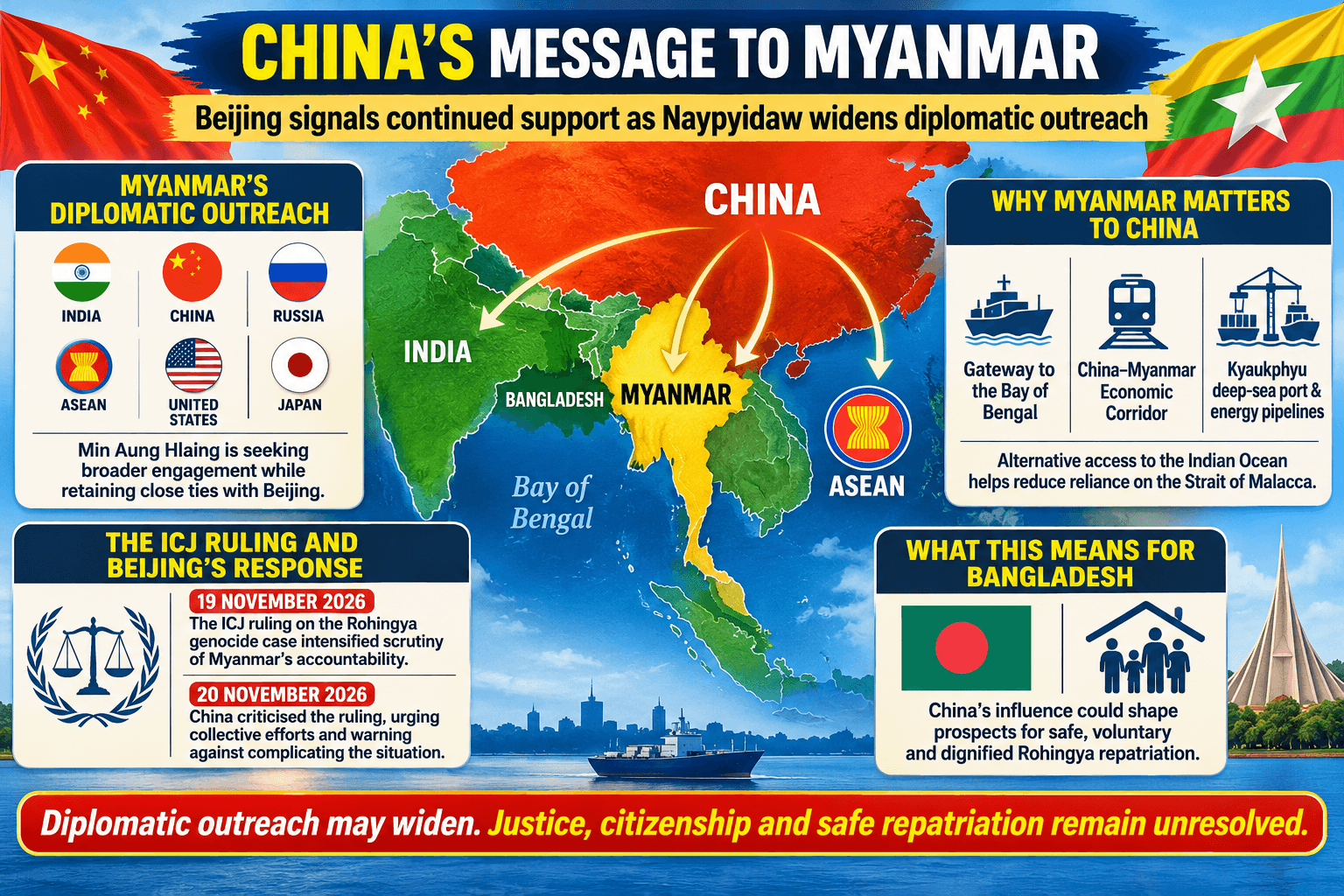
Recent diplomatic moves by Myanmar’s President Min Aung Hlaing indicate a growing effort to engage with multiple international actors. New avenues of communication are emerging with India, China, Russia, several Southeast Asian countries and even the United States. There are also discussions about the possibility of normalizing relations with Japan. While maintaining its longstanding close ties with China, Myanmar’s efforts to expand engagement with other powers are being viewed by some as an attempt to maintain diplomatic balance. This has raised a key question: Is Naypyidaw gradually seeking to reduce its dependence on Beijing and pursue a more diversified foreign policy?
However, China's response following the landmark ruling by the International Court of Justice (ICJ) in the Rohingya genocide case has added a new dimension to that question. At a time when international pressure on Myanmar was expected to intensify following the court's determination of responsibility for genocide, Beijing openly criticised the ruling. By aligning itself with Naypyidaw's objections, China has effectively sent a political message: Beijing has no intention of abandoning Myanmar in the face of international pressure.
Following the 2021 military coup, Myanmar came under intense international pressure and diplomatic isolation. Western sanctions, strained relations with ASEAN leadership, an ongoing civil war and allegations of human rights violations severely undermined the international legitimacy of the country's military leadership. However, after assuming the presidency in April 2026, Min Aung Hlaing began efforts to expand diplomatic engagement and rebuild international ties.
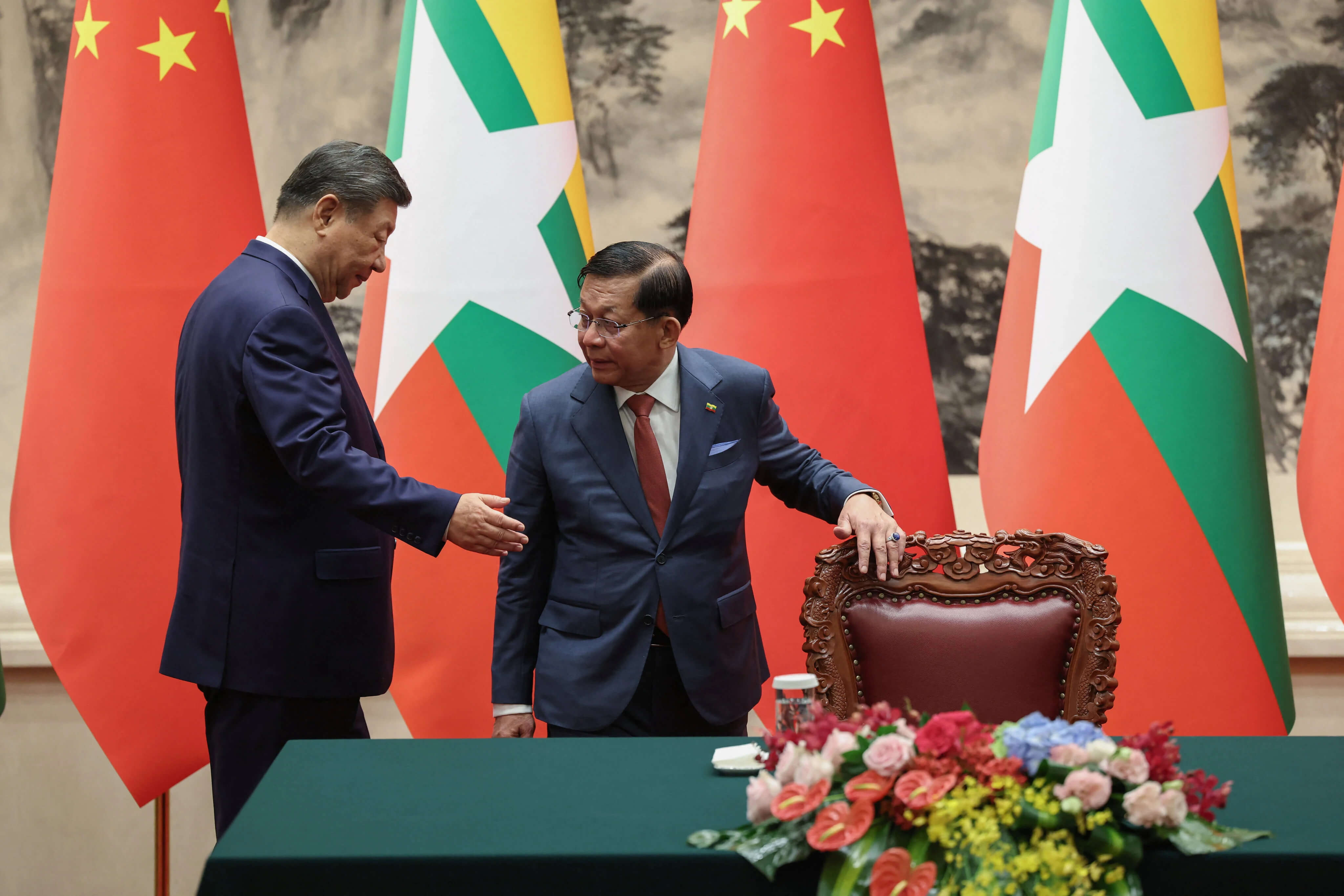
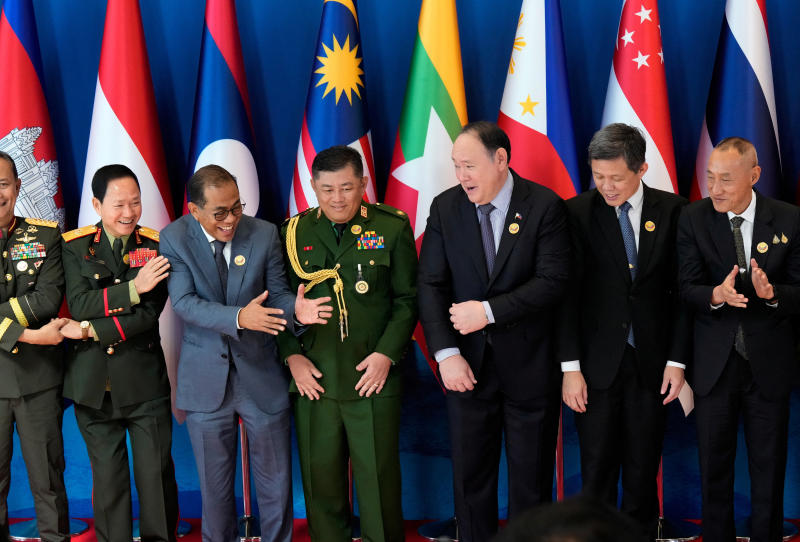
An important aspect of this initiative has been the restoration of relations with neighboring countries and regional powers. His visits to India and China, along with meetings with leaders from several ASEAN countries, form part of this diplomatic outreach. An October analysis by Al Jazeera noted that since becoming president, Min Aung Hlaing had visited India, China, Russia and Belarus. During the same period, he also expanded engagement with Thailand, Vietnam, Cambodia, Laos and Malaysia.
India's relationship with Myanmar is particularly significant in this context. India and China are two rival powers in Asia, with longstanding competition over border disputes, regional influence, and their respective Indo-Pacific strategies. Yet Min Aung Hlaing's visit to India and efforts to expand bilateral cooperation in security, trade and infrastructure suggest that Myanmar does not want to remain exclusively dependent on China.
Myanmar is equally important to India. The country shares a lengthy border with India's northeastern states. Moreover, the Kaladan Multi-Modal Transit Transport Project and the India-Myanmar-Thailand Trilateral Highway are vital components of India's regional connectivity and trade strategy. Myanmar's political and security situation is therefore directly linked to India's own strategic interests.
New avenues of engagement have also emerged with the United States, China's principal geopolitical rival. Reuters has reported that Washington has begun direct discussions with Myanmar's government. However, these talks have a specific objective: shutting down online scam centres operating in Myanmar, through which American citizens have lost substantial sums of money. Meanwhile, the removal of the daughter of a Myanmar businessman, who had been under US sanctions, from the sanctions list has also been viewed as a possible step towards restoring diplomatic engagement with Washington. Discussions about normalising relations with Japan are also underway, particularly given Tokyo's investment and business interests in Myanmar.
Viewing Min Aung Hlaing's diplomatic strategy simply as an attempt to move away from dependence on China would therefore provide an incomplete picture. Rather, it represents an effort to improve international acceptance, secure economic cooperation and develop relationships with different powers according to Myanmar's own interests and priorities.
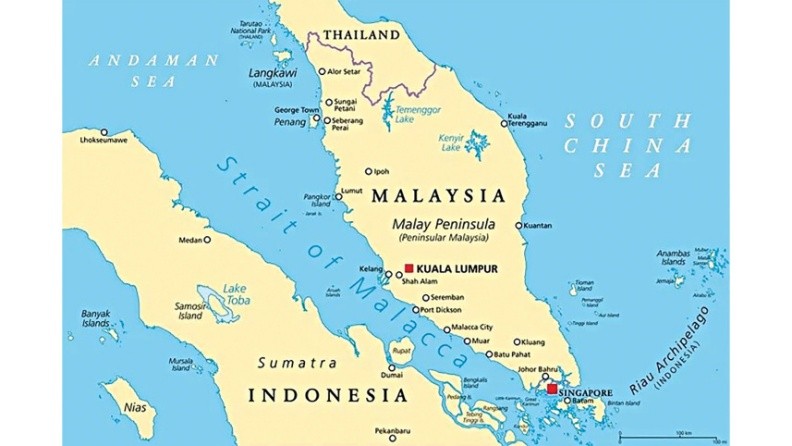
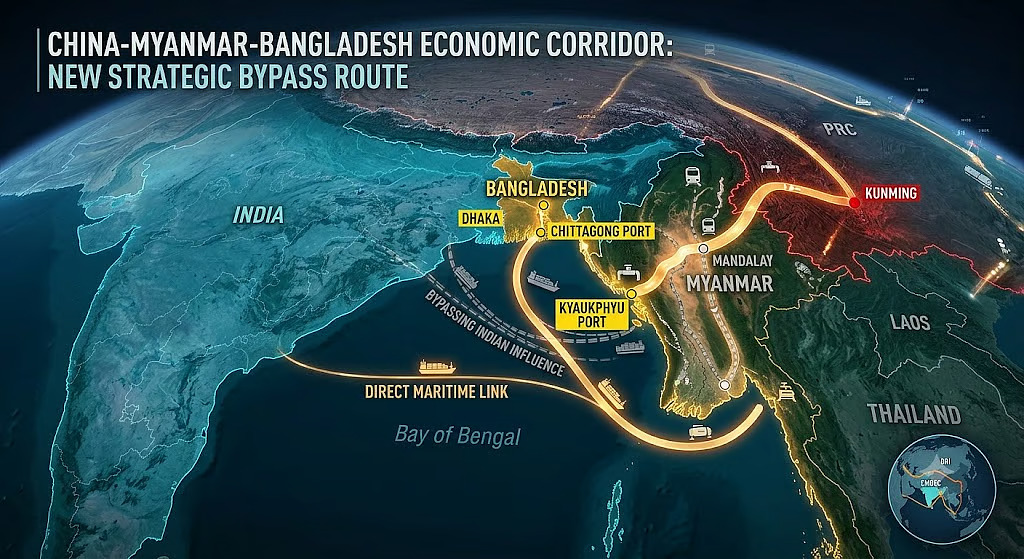
China's relationship with Myanmar extends far beyond conventional neighborly diplomacy. Myanmar serves as a strategically important gateway for China to access the Bay of Bengal. The China-Myanmar Economic Corridor, the Kyaukphyu deep-sea port, energy pipelines and infrastructure investments are all tied to Beijing's long-term strategic interests. Reducing dependence on the Strait of Malacca and establishing alternative routes to the Indian Ocean are among China's key strategic considerations. In this regard, access to the Bay of Bengal through Myanmar carries particular importance. Consequently, political instability in Myanmar or the growing influence of forces hostile to China could become a serious concern for Beijing.
However, it would also be inaccurate to assume that China will lose its influence simply because Myanmar is expanding engagement with India. According to Amara Thiha, an analyst at the Stimson Center, there were strategic differences between Min Aung Hlaing's visits to India and China in 2025. During his visit to India, practical cooperation, particularly in security and infrastructure, received considerable attention. His visit to China, on the other hand, reinforced political coordination and institutional ties between the two countries. In other words, India is expanding its engagement with Myanmar primarily to advance its regional security and connectivity interests, while China seeks to preserve its long-term strategic influence over the country. Myanmar's relationships with the two powers are therefore fundamentally different in nature.
Against this backdrop, Min Aung Hlaing's pursuit of a diversified foreign policy may not pose an immediate threat to China. Nevertheless, Beijing is unlikely to welcome any weakening of its influence over Myanmar's future political and economic landscape.
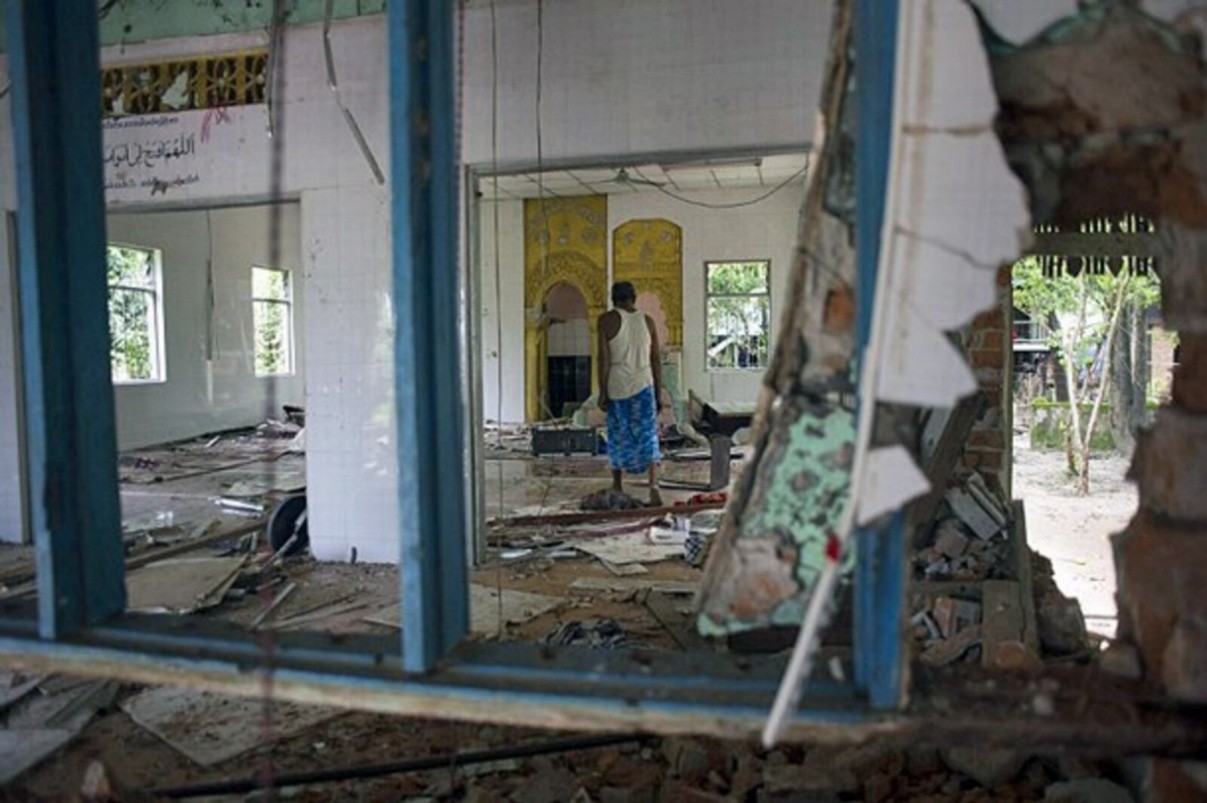
Amid these diplomatic manoeuvres, 19 November 2026 marked a significant moment for Myanmar in the international legal arena. In a case brought by The Gambia, the International Court of Justice ruled that Myanmar had committed genocide against the Rohingya in Rakhine State in 2017 and had failed to fulfil its international obligations to prevent and punish genocide. According to information from the Independent Investigative Mechanism for Myanmar, established by the United Nations, the court directed Myanmar to take effective measures to prevent genocide, investigate and prosecute those suspected of involvement in the crimes, ensure the safe, voluntary and dignified repatriation of affected Rohingya, and provide compensation.
The ruling represents more than just a legal setback for Myanmar's military leadership; it also poses a major challenge to its efforts to regain international acceptance. One of the key objectives of Min Aung Hlaing's diplomatic outreach is to improve his government's standing internationally. However, with responsibility for genocide established, those efforts are now facing renewed scrutiny over human rights and accountability.
China's response in this situation is particularly significant. On 20 November, Chinese Foreign Ministry spokesperson Guo Jiakun said in Beijing that rulings of this nature by the International Court of Justice were not conducive to resolving disputes. According to him, the international community should avoid further complicating the situation and instead seek a solution through collective efforts.
Earlier, China, the United States and Russia had issued a joint statement calling on international organisations not to abuse their judicial mandates. However, an important distinction needs to be made here. Although the United States and Russia joined China in that earlier statement, Beijing's response on 20 November separately expressed objections to the court's ruling, rather than directly criticising Myanmar's position. Therefore, it would be inaccurate to interpret these developments as evidence of a unified China-US-Russia position in support of Myanmar.
China's response has brought the tension between international justice and geopolitical realities into sharp focus. While the court's ruling establishes responsibility for genocide, China is urging the international community to approach the matter as a process of dispute resolution. But when it comes to crimes as grave as genocide, how far can questions of justice and accountability be reduced to diplomatic disagreements? That remains a critical question.
For Bangladesh, the implications are even greater. Any resolution of the Rohingya crisis depends directly on Myanmar's political willingness, the country's security situation and the level of international pressure. As one of Myanmar's most influential partners, China has a significant role to play in the question of repatriation.
However, if China continues its political support for Myanmar despite the ICJ ruling, Bangladesh's diplomatic calculations could become even more complicated. On the one hand, Dhaka must maintain its relationship with Beijing and use China's influence to advance repatriation. On the other, it must preserve international support for accountability and justice over the genocide. India's role is also important in this context. Its engagement with Myanmar is expanding, while limited diplomatic contacts between Myanmar and the United States, alongside the possibility of greater Japanese involvement, could create new diplomatic opportunities in the future. Nevertheless, none of these developments automatically guarantees the repatriation of the Rohingya.
Ultimately, China's message is clear- Despite questions surrounding Myanmar's international legitimacy, Beijing is not prepared to abandon its strategic interests in the country. But how effective this support will be for Min Aung Hlaing depends on his ability to withstand international pressure and deliver meaningful political solutions.
Myanmar may expand its diplomatic outreach to new capitals, and China may continue to signal its support. But as long as the questions of justice, citizenship and safe repatriation remain unresolved for the Rohingya displaced in 2017, no amount of diplomatic rehabilitation will provide a lasting solution to Myanmar's crisis.
BOB Post