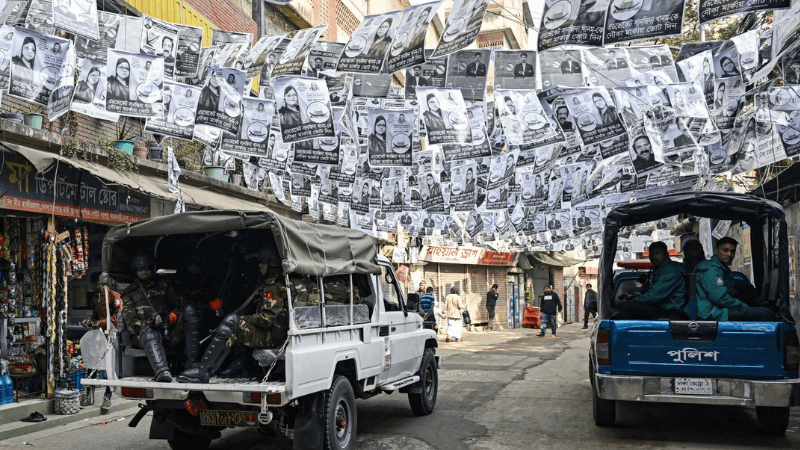
The atmosphere in Bangladesh is charged with anticipation and anxiety as the nation of over 100 million people takes to the polls for its 12th national parliamentary elections. The fate of the country hangs in the balance, as citizens grapple with the decision between continuity and a desire for a new direction. Tensions are palpable, akin to the thick fog enveloping the Bangladeshi countryside.
Incumbent Prime Minister Sheikh Hasina Wajed, seeking an unprecedented fourth term with the Awami League party, is at the center of a polarized debate. Supporters applaud her economic achievements, citing impressive GDP growth and infrastructural development, while detractors accuse her government of corruption, democratic erosion, and stifling dissent. Concerns about political violence and allegations of voter intimidation loom large, casting a shadow over the electoral process.
The charismatic Kamal Hossain, leading the Jatiya Oikya Front coalition, emerges as Hasina's main challenger. Hossain, a respected jurist and freedom fighter, promises a return to democratic values and economic reforms. His supporters, a mix of urban youth and disillusioned rural voters, yearn for change, hoping to break free from the perceived dominance of the Awami League.
Beyond the two main contenders, a diverse array of voices from smaller parties and independent candidates offers voters a spectrum of choices, reflecting ideological diversity from religious conservatism to left-wing idealism. The intricacies of Bangladeshi politics, marked by deep social divisions, historical scars, and military influence, ensure that the road ahead will be far from smooth.
Vote counting begins tomorrow, and final results may take several days. As Bangladesh holds its breath, it is evident that the implications of this election extend far beyond the ballot box. The choice made today will chart the course of a nation on the brink of change, shaping its future for generations to come.
BOB Post