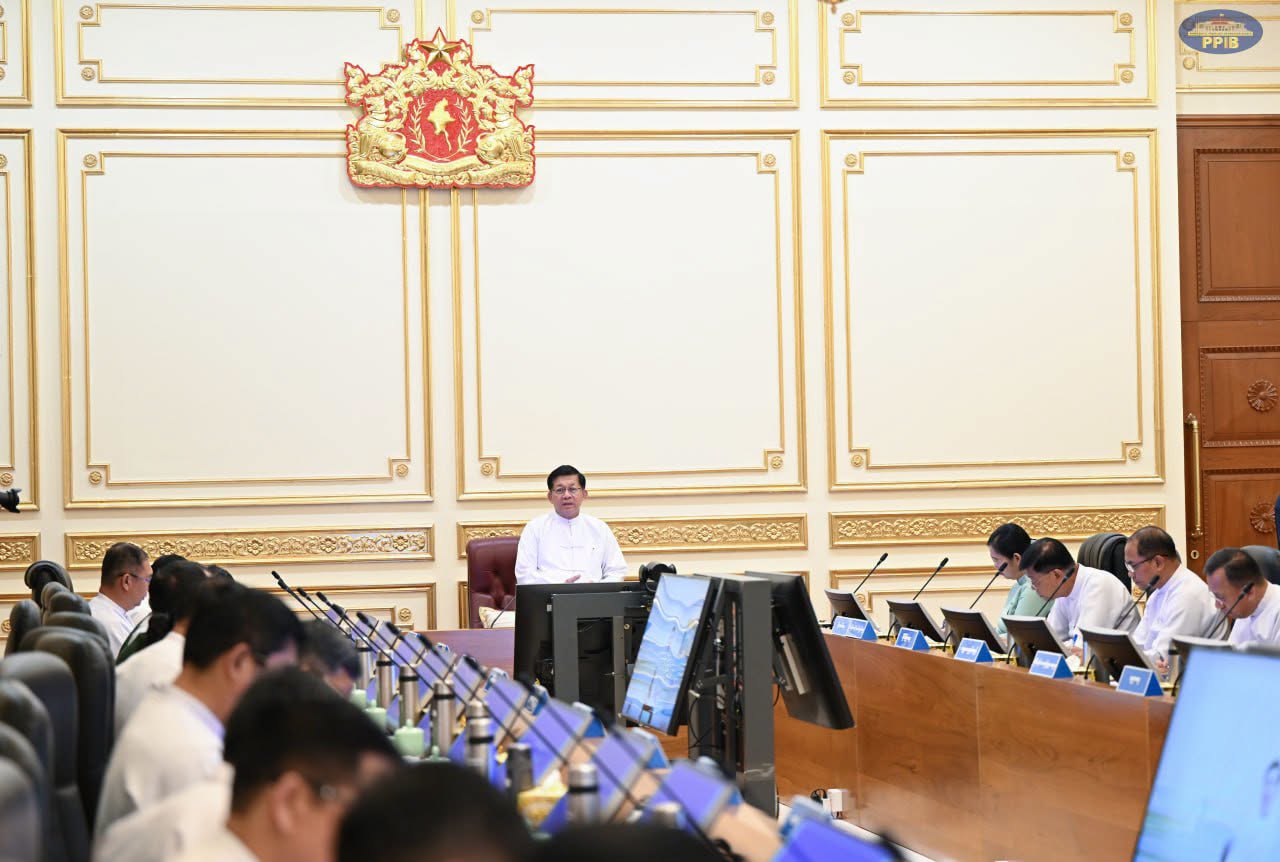
Bangladesh has pledged to take all necessary steps to secure its 271-kilometer border with Myanmar, following reports that the rebel group Arakan Army (AA) has taken control of the frontier after weeks of fierce battles with Myanmar’s junta.
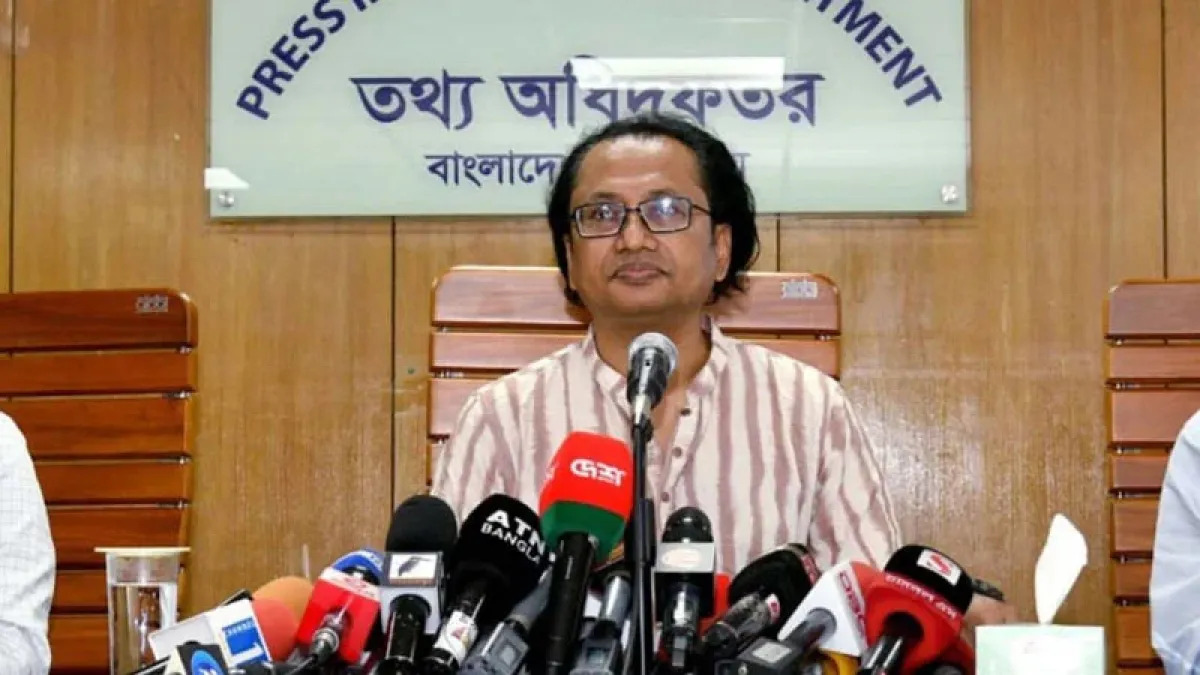
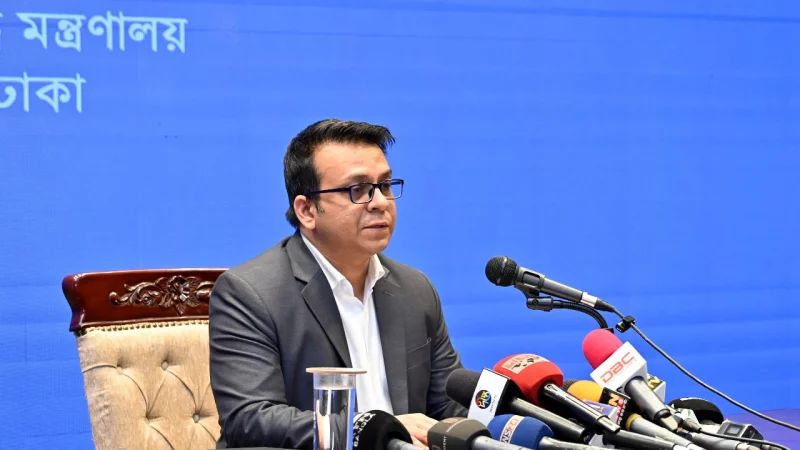
“Bangladesh will do whatever is necessary for its border security,” Foreign Ministry Spokesperson Mohammad Rafiqul Alam stated during a weekly briefing on Tuesday. His remarks came in response to questions about whether Dhaka might engage with non-state actors like the AA to address escalating border issues.
The AA, an ethnic rebel group, has steadily gained control of 13 out of 17 townships in Myanmar’s Rakhine State since November last year. On Friday, the group announced on Telegram that it had “completely captured” the western regional command at Ann after intense fighting. Earlier this month, it also took control of Maungdaw, a critical township near Rohingya settlements.
With these advances, the AA now holds authority over the entire 271km border with Bangladesh, effectively becoming the de facto ruler of Rakhine State.
When asked about bolstering military presence along the border, Alam said: “We have to wait a couple of days for this decision.” He confirmed that a high-level meeting on the matter was held earlier in the day but refrained from sharing further details.
On Sunday, Foreign Affairs Adviser Md Touhid Hossain said he had informed his Myanmar counterpart during talks in Bangkok that Dhaka could not engage with the Arakan Army. “I informed Myanmar (in Bangkok) that the border is no longer under your control. It is now controlled by non-state actors like the Arakan Army. As a state, we cannot engage with them. Myanmar must find a way to resolve the issues related to the border and Rakhine,” Hossain told reporters.
Concerns over a potential new influx of Rohingya refugees were also addressed, with Alam reaffirming Bangladesh’s stance against accepting additional displaced people. “We have no clear estimate of how many of the remaining 400,000 Rohingyas in Myanmar might be awaiting entry into Bangladesh,” he said.
Foreign Adviser Hossain dismissed fears of another large-scale influx but acknowledged shared concerns. “I do not believe another influx will occur, although many are concerned. We too share these concerns, but we must take measures to prevent it, working with the international community,” he added.
Bangladesh has been hosting over a million forcibly displaced Rohingyas in Cox’s Bazar since August 2017, following a brutal military crackdown in Myanmar. In the past seven years, no Rohingya refugees have been repatriated to Myanmar.
BOB Post