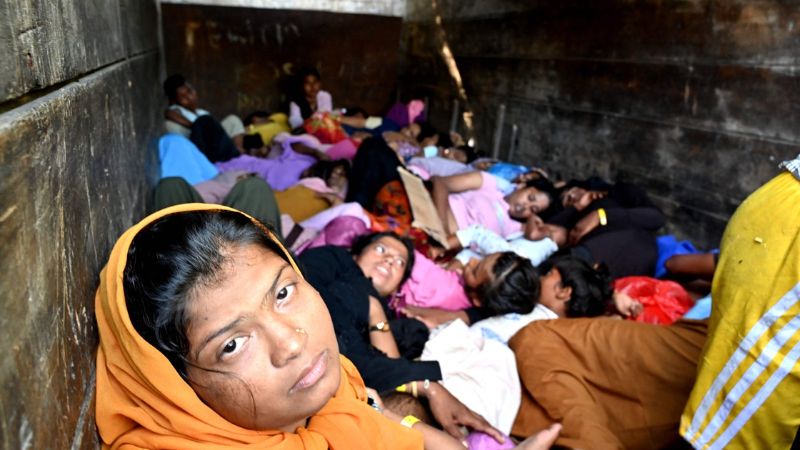
Approximately 700,000 Rohingya Muslims fled to Bangladesh in 2017 due to a military assault in Myanmar. In Cox's Bazar, they currently reside in congested camps. The refugees have limited resources and an uncertain future in spite of international attention.
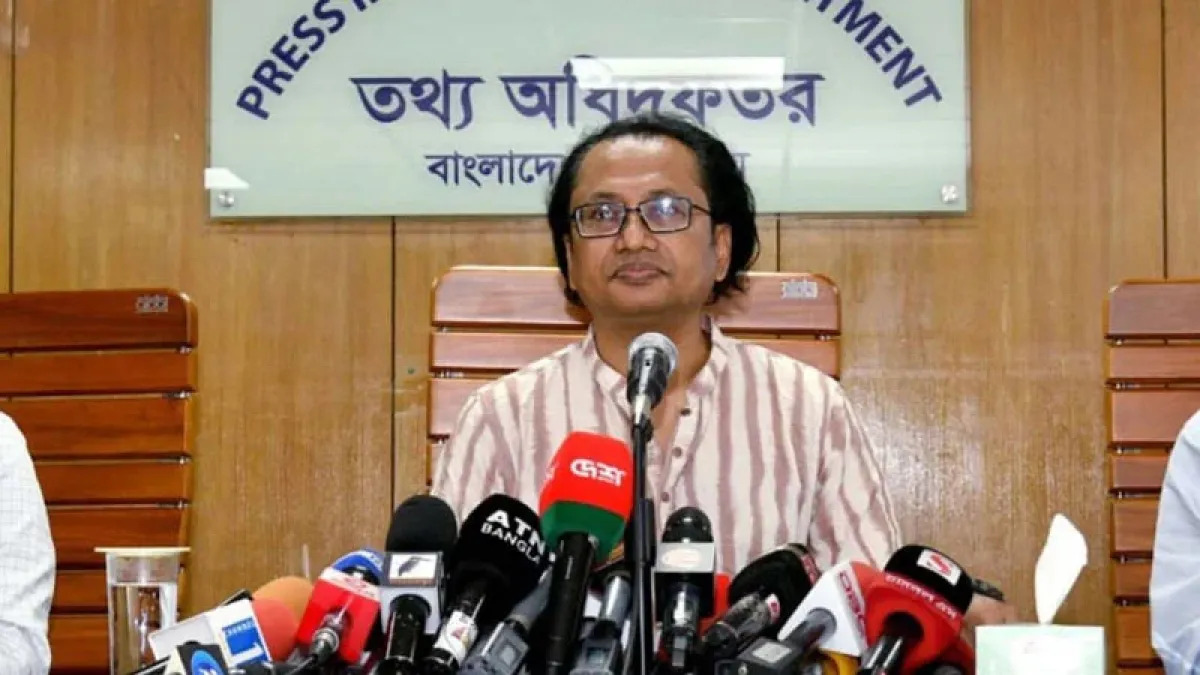
Lwin, a prominent advocate for Rohingya rights, highlighted the growing threat posed by the Arakan Army, a rebel group controlling much of Rakhine State. He warned that the Rohingya cannot return to their homeland as long as the Arakan Army remains in power. Lwin accused the group of perpetuating what Myanmar’s military once referred to as “unfinished business” from World War II rhetoric echoed by military leaders as recently as 2018.
Criticizing the United Nations Security Council, Lwin argued that its focus on humanitarian aid overlooks the root causes of the crisis. He urged decisive action, warning that failure to address these issues would exacerbate the situation. Additionally, Lwin called on more countries to support international legal efforts, such as cases filed with the International Criminal Court (ICC).
“There are over 150 countries that have signed the genocide convention. They can all join these legal cases to build a stronger push for accountability and justice,” he said.
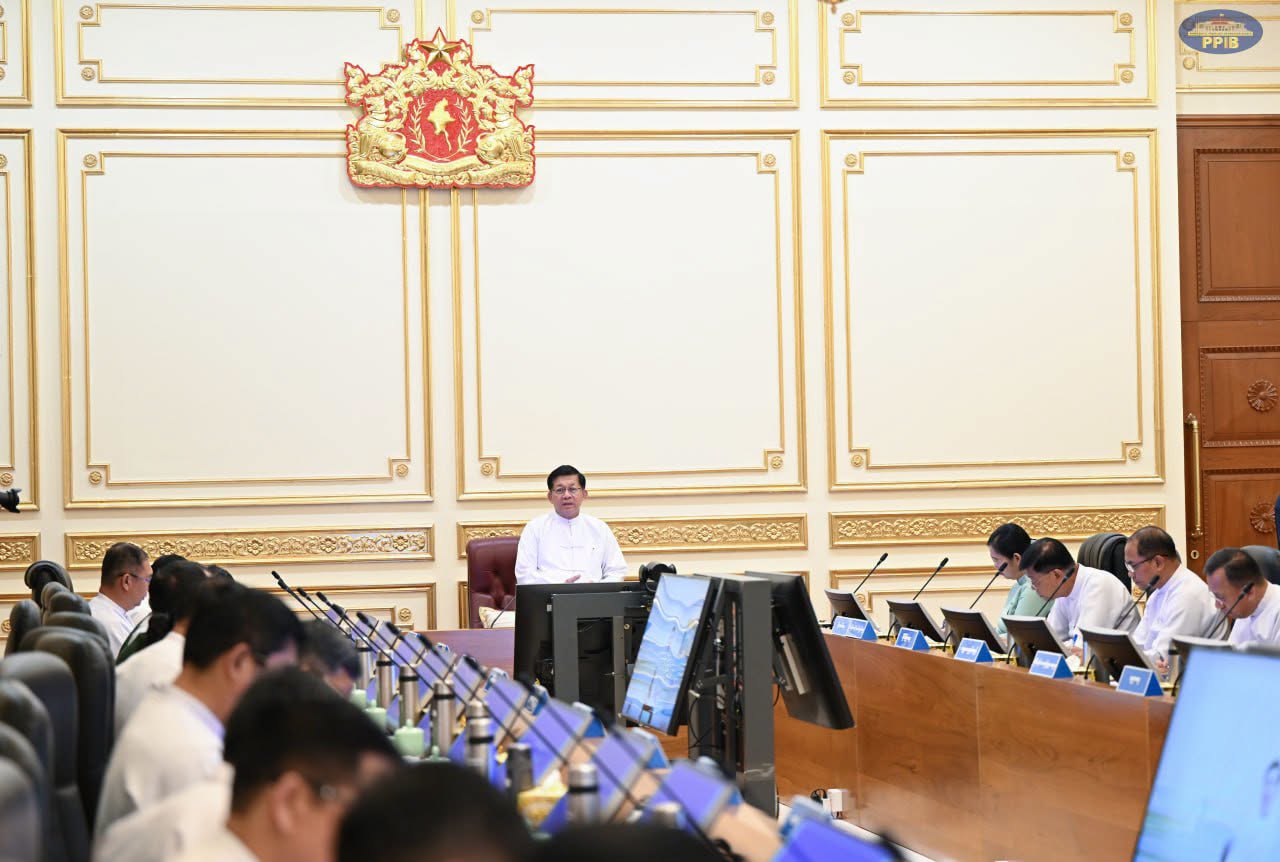
The ICC prosecutor requested an arrest warrant on (November 27) for Myanmar junta leader Min Aung Hlaing as a significant development. The warrant cites his role in the 2017 persecution and deportation of the Rohingya. This marks the first attempt to hold a high-ranking Myanmar official accountable for the atrocities
Lwin’s warnings and the ICC’s legal efforts underscore the urgency of addressing the plight of the Rohingya and ensuring justice for the atrocities committed against them.
BOB Post