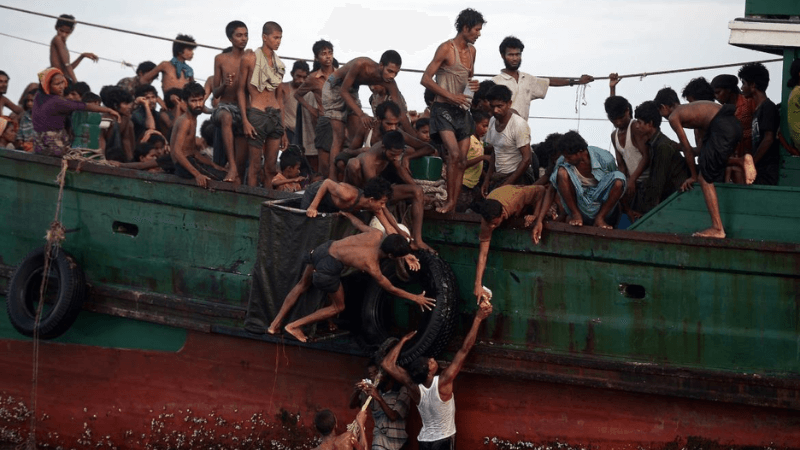
In the past six months, authorities have halted several boats carrying Rohingya refugees, leading to the arrest of several brokers and the identification of approximately 2,000 individuals involved in human trafficking. Rohingya refugees, particularly women and girls, are often sent by their families outside the camps to countries like Malaysia and Thailand, providing an opportunity for human traffickers within the community to exploit them for profit. This trend has escalated since the influx of over a million Rohingyas into Cox’s Bazar following the 2017 military crackdown in Rakhine State. The delay in their safe repatriation to Myanmar further exacerbates the issue, as many families hope to marry off their daughters to Rohingya men already settled in Malaysia.
Abdul Hamid, general secretary of the Ukhiya Human Trafficking Prevention Committee, expressed concern over the resurgence of Rohingya trafficking activities, noting that many Rohingyas have previously crossed the sea to reach Malaysia. He highlighted the past use of the same route by powerful trafficking gangs. Hamid emphasized the gravity of the situation, stating that it would be alarming if trafficking were to resume.
Muhib Ullah, the majhi at a camp in Kutupalong, said: "The brokers are trying to send the Rohingyas to Malaysia by sea. Already, more than 300 Rohingya have crossed to Malaysia recently. I have heard that about 700 more Rohingyas may leave the camps this season.
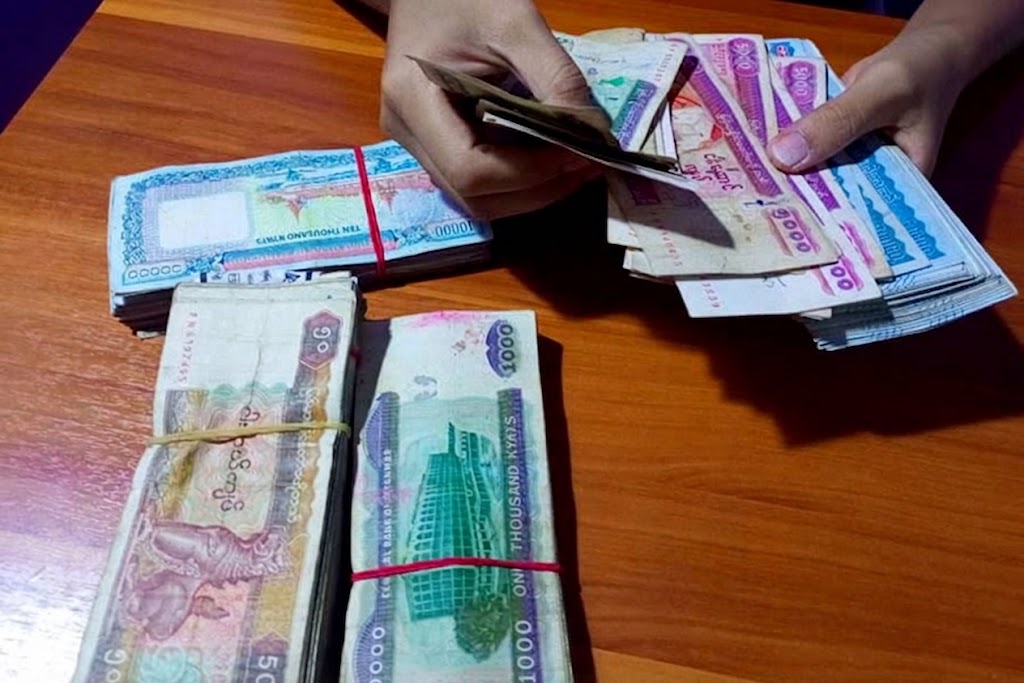
“To go to Malaysia, it costs a person about Tk3 lakh. Armed groups Arsa (Arakan Rohingya Salvation Army) and Arakan Army on both sides of the border take a big part of this money to facilitate the illegal journey.”
Bangladesh and Myanmar share a 271-km border, with nearly half traversing dense forest areas and the Naf River, providing ample opportunity for criminals to engage in illicit activities like arms and drug smuggling. Sources indicate that Rohingya criminal gangs exploit this porous border, utilizing SIM cards from both countries and mobile banking services from Bangladesh to facilitate illegal transactions. The smuggling activities have intensified since the outbreak of civil war in Myanmar in October last year.
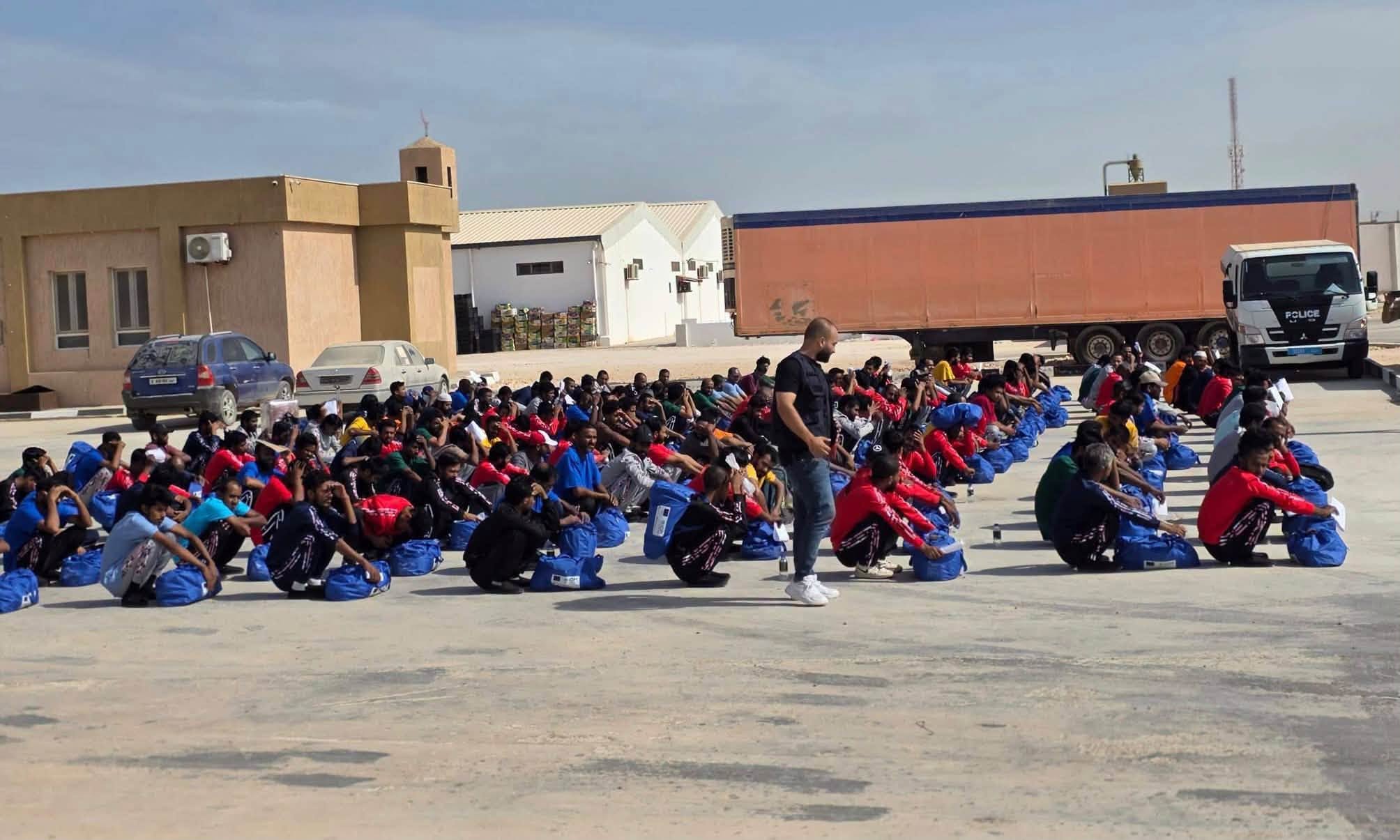
Human traffickers targeting Rohingya women and children for illegal transportation to Malaysia by sea continue to operate, exploiting the vulnerable and uneducated within the refugee camps. Bangladeshi law enforcement has intercepted several boats carrying Rohingyas in the past six months, resulting in the arrest of some brokers. Recent incidents include the rescue of 24 Rohingyas, including women and children, from the coastal area of Teknaf on December 13, and the thwarting of a smuggling attempt involving 57 Rohingyas in November. The rescued individuals revealed that traffickers demanded Tk20,000 upfront and an additional Tk2,90,000 upon reaching the destination. Despite risks, approximately 9,000 Rohingya refugees attempted the journey to Malaysia by sea from 2018 to 2023, resulting in 589 deaths and numerous disappearances, according to UNHCR.
Rohingya refugees often choose Malaysia as a destination due to existing family connections and the hope for a better life. Despite the challenges they face there, including detention by law enforcement and exploitation by traffickers, many refugees are willing to take the risk in pursuit of improved living conditions. Some aim to marry off their daughters in Malaysia, while others see it as a stepping stone to reach countries like Australia and Germany. However, this desire for a better life makes Rohingya families vulnerable to exploitation by human trafficking gangs, particularly targeting women.
A woman named Sahida Begum from the Kutupalong camp said: “I am in great pain with my four daughters. My shelter is made of bamboo, and there are holes and voids. Some youths harass my daughters from time to time. Keeping them at home is very difficult.”
Teknaf Upazila Chairman Nurul Alam said that local Bengali and Rohingya gangs are involved in human trafficking. “We are also concerned about this. Moreover, there are regular discussions about it in meetings of the police station law and order committee.”
Rashed Mahmud Ali, chairman of Hnila Union Parishad of Teknaf, said: "It is true that many relatives of the Rohingya refugees live in Malaysia, who inspire them to come out of the camps.
“We cannot always be on guard since such incidents happen all the time. These people go abroad and show Bangladeshi identity. It is very unfortunate.”
In response to another question, he said Arsa is not the only one who takes a share of the money from human trafficking. “The Arakan Army members who are on the other side of the border also take money. If you do not pay, they will shoot you. That is why the human traffickers give them money.”
Various points in Teknaf, including Shamlapur, Sheelkhali, Rajarchhara, and others, serve as hubs for smuggling Rohingyas abroad, according to Rohingya people and law enforcement agencies. Despite the familiarity of these routes, trafficking gangs employ different tactics to evade detection. Rohingya leaders from different refugee camps in Teknaf are reportedly involved in these illicit activities, contributing to the exploitation and trafficking of vulnerable individuals.
Local authorities in Cox’s Bazar identified over 2,000 individuals involved in human trafficking, including 11 international traffickers, 26 Hundi traders, and 230 individuals from various regions, but notably excluding 500 top criminals in Cox's Bazar. Following the issuance of this list, a campaign was launched to combat human trafficking, resulting in the death of six traffickers, including a key figure, Dhulu Hossain, and the arrest of over 150 others. As a result of these efforts, trafficking activities decreased significantly, with many traffickers going into hiding. However, following a surge in refugees since August 25, 2017, the number of individuals involved in human trafficking has doubled.
Asked why human trafficking could not be stopped, Additional Superintendent of Police (Administration) of Cox's Bazar Mohammad Rafiqul Islam said: "We are continuing our drives to catch the human traffickers active now. But the victims of trafficking willingly pay money to brokers to go to Malaysia by sea. In this case, we have to face a lot of challenges rescuing them.”
Refugee Relief and Repatriation Commissioner (RRRC) Mizanur Rahman disclosed ongoing efforts, including meetings with law enforcement agencies and public awareness campaigns, to address the Rohingya migration issue. Rahman expressed unawareness regarding armed groups like Arsa and the Arakan Army profiting from human trafficking activities. Meanwhile, Dr. Mohammad Tanzim Uddin Khan from Dhaka University's International Relations Department emphasized that solely relying on legal frameworks is insufficient to curb Rohingya migration, suggesting a multifaceted approach is necessary.
“Influential and conscientious countries must put pressure on the Myanmar government to repatriate the Rohingyas with due dignity. They should be guaranteed safe residence in that country. The solution to all problems lies here.
BOB Post