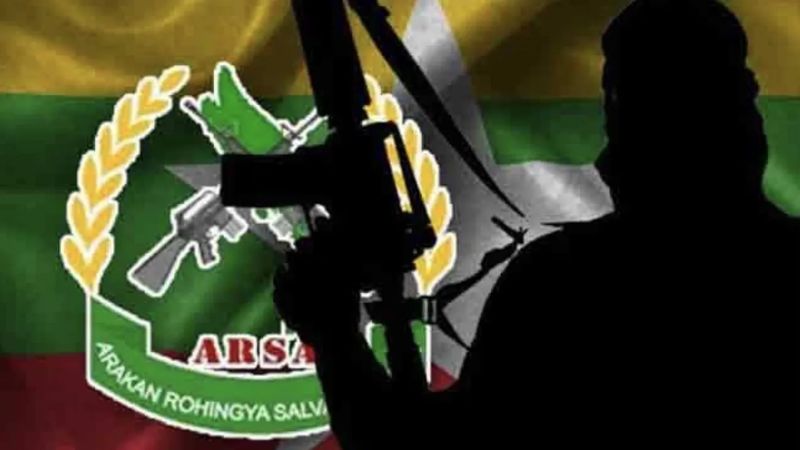
The Arakan Rohingya Salvation Army (ARSA), once hailed as the beacon of hope for the Rohingya community, has now tragically morphed into a ruthless terror group, turning its so-called “liberation” movement into a nightmare for its own people. Over the past eight years, at least 290 Rohingya leaders have been murdered by ARSA, a chilling reminder of how power can corrupt even the most idealistic of causes.
What began as an insurgent group promising freedom and justice for the Rohingya people has instead become the very embodiment of terror. In the 34 refugee camps across Bangladesh, ARSA is now synonymous with fear and violence. Their activities range from extortion and kidnapping to drug trafficking and weapon sales. What was once a group representing hope now serves only to perpetuate the suffering of the Rohingya community.
The former ARSA leader, Ataullah, has recently been arrested, but his capture only scratches the surface of the damage the group has inflicted. Security analysts, like Major (retd.) Md. Emdadul Islam, stress that the arrest of Ataullah provides vital insights into the ARSA network, which has long been hidden behind a veneer of resistance and justice. Now, the authorities have a real opportunity to dismantle the entire operation, which has been a curse upon the Rohingya population.
Rohingya community leaders, speaking under anonymity, have confirmed what many have long suspected: ARSA has never been a true advocate for the people it claims to represent. Rather, they have worked in covert collaboration with Myanmar’s military, eliminating anyone who posed a threat to their influence. Over 290 Rohingya leaders have fallen victim to ARSA’s brutal campaigns, often targeted for their refusal to comply with ARSA’s demands. It’s clear now that ARSA’s so-called “freedom struggle” was a facade for something far darker—an opportunistic, power-hungry agenda that has killed its own people to serve its interests.
ARSA first emerged as a militant group in 2013 under the name ‘Harkat al-Yaqin,’ with the promise of fighting for the rights and freedom of the Rohingya people. But by 2017, after launching attacks on Myanmar’s police posts, the group gained widespread attention and marked the beginning of a brutal cycle of violence that displaced hundreds of thousands of Rohingya refugees. The Myanmar military’s subsequent crackdown killed thousands, forcing over 1 million Rohingya into Bangladesh. What was intended as a struggle for self-determination quickly spiraled into an unholy alliance of violence, betrayal, and broken promises.
The ARSA’s true face became more apparent when, in 2017, it began its campaign of exterminating its own people who opposed them. In one of the most notorious acts, ARSA executed one of the most prominent Rohingya leaders, Mohibullah, the Chairman of the Arakan Rohingya Society for Peace and Human Rights. His murder was a grim signal of ARSA’s growing bloodlust, and it wasn’t the last. Since then, ARSA has continued to target leaders within the Rohingya community who dared to speak out against them.
The situation has only worsened. On March 17, 2025, another victim, Hafizur Rahman, was killed by ARSA operatives at Camp-15, adding to the growing list of those who’ve been executed for opposing their reign of terror. But the deaths aren’t limited to community leaders alone. ARSA’s brutality has claimed the lives of innocent Bangladeshis, including intelligence officers like Rizwan Rushdie.
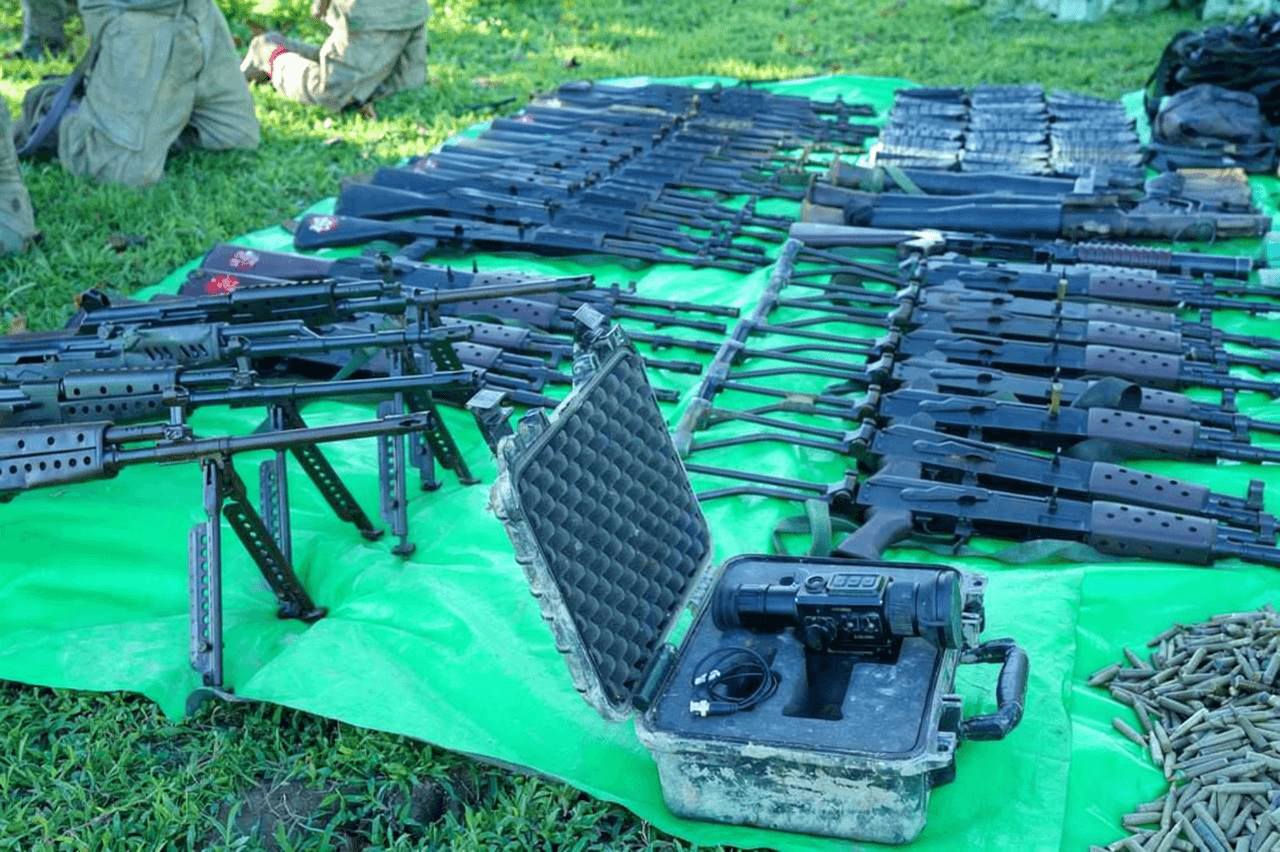
ARSA is also involved in a range of criminal activities. Their control over the camps has led to widespread corruption and exploitation, with rampant extortion, kidnappings, drug and arms trafficking, human trafficking, and smuggling. Human rights groups, including Fortify Rights, have reported on the fierce power struggles between ARSA and other insurgent groups like the Rohingya Solidarity Organization (RSO) in the camps. These violent confrontations have led to the deaths of over 155 people in just 2023 and 2024.
The Rohingya camps, originally meant as a haven for displaced refugees, have now become breeding grounds for lawlessness and terror. ARSA’s insatiable hunger for control over these camps has created an environment where fear reigns, and the lives of the Rohingya people are held hostage—not just by Myanmar’s military, but by their own supposed liberators.
ARSA’s transformation from a revolutionary group to a murderous cartel is one of the greatest betrayals in modern history. They promised liberation but delivered only destruction. They promised freedom but sowed terror. It’s time for the international community, and particularly Bangladesh, to take a hard stance against this group and eliminate the cancer that has grown within the refugee camps. The Rohingya people deserve a future free from both Myanmar’s military and the terror of ARSA. Until then, their suffering will continue at the hands of those who claim to be their liberators, but whose actions reveal the true face of tyranny.
BOB Post