The ongoing civil war in Myanmar has continued to escalate, claiming countless lives and worsening the country's humanitarian crisis. In response, regional powers and international stakeholders are being urged to intensify their efforts to resolve the conflict.
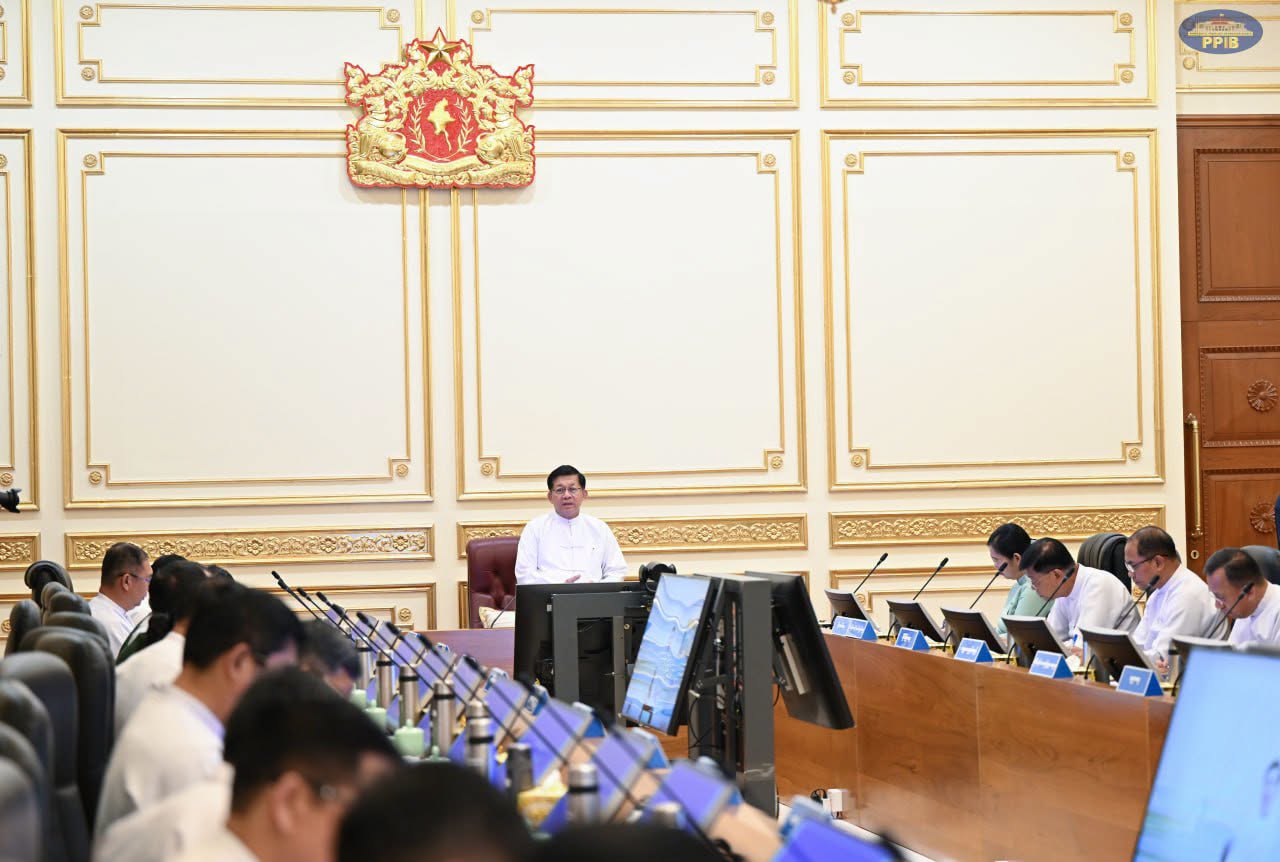
Recently, the Association of Southeast Asian Nations (ASEAN) held a summit in Laos to discuss the deteriorating situation in Myanmar, where fierce fighting between the military and pro-democracy groups has persisted. Representing Myanmar at the summit was the permanent secretary of its Foreign Ministry, marking the first time in three years that a representative from the country attended an ASEAN summit.
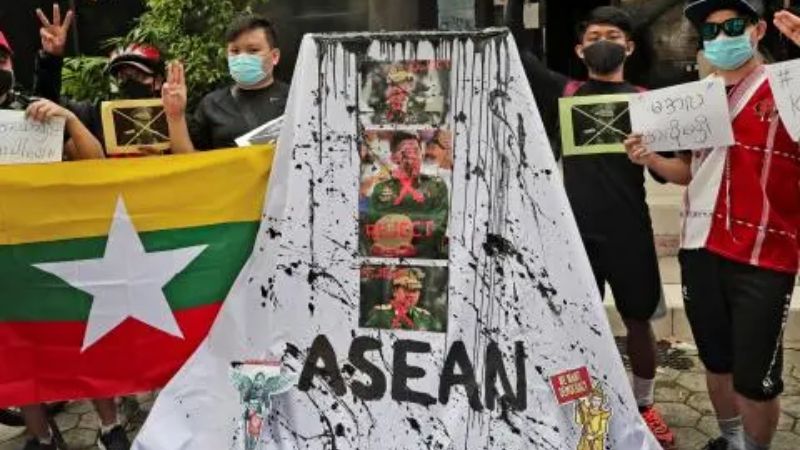
Since the 2021 coup, during which the Myanmar military overthrew the pro-democracy government led by Aung San Suu Kyi, ASEAN has consistently refused to allow senior military officers from Myanmar to attend its major meetings. However, this year, Myanmar's military shifted its approach, sending bureaucrats to represent the country instead.
The military has also signaled its intention to hold a general election next year, the first since the coup. This move is widely seen as an attempt to legitimize the current military rule by enabling a pro-military party to secure a victory. During the summit, Myanmar's military may have sought to gain support from other ASEAN member states regarding the proposed election.
However, the pro-democracy party formerly led by Suu Kyi has been stripped of its political status, effectively barring it from participating in the election. In light of this, ASEAN nations are being called upon to press Myanmar's military to conduct a fair election that does not exclude pro-democracy forces.
The humanitarian situation remains a pressing concern. Since the coup, approximately 5,800 pro-democracy activists and civilians have been killed in military crackdowns, while more than 27,000 have been arrested. Key pro-democracy leaders, including Suu Kyi, remain imprisoned. The number of people displaced by the ongoing civil war has surpassed 3.3 million, exacerbating the country's humanitarian crisis.
Although the military had previously agreed to a five-point plan with ASEAN, including an "immediate cessation of violence," it has failed to implement the agreement. Instead, the military has intensified its crackdowns, worsening the situation on the ground.
Despite facing economic sanctions from Western nations, Myanmar's military has continued its operations against anti-military forces, largely due to support from China and Russia. Reports indicate that Chinese and Russian military drones have been used in attacks, and China is said to have recently provided six fighter jets to the Myanmar military.
This external backing has reinforced authoritarian rule in Myanmar and contributed to the deepening humanitarian crisis. There are growing concerns that if Beijing and Moscow’s influence continues to expand unchecked, it could destabilize Southeast Asia as a whole.
Japan is being urged to take action through the United Nations and other international forums to shape global opinion and curtail the arms support provided by China and Russia to Myanmar’s military.
BOB Post