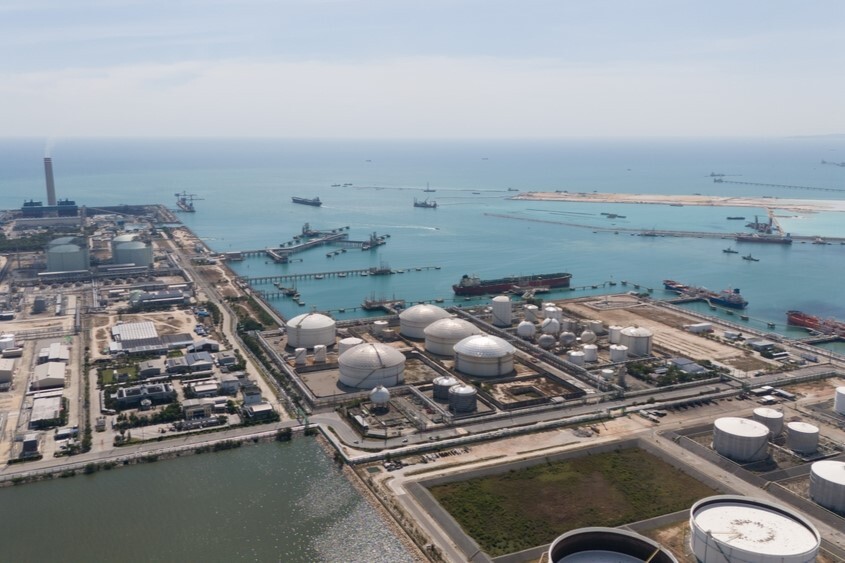
Liquefied natural gas (LNG) supply disruptions linked to the escalating Middle East conflict are beginning to ripple across Asia, raising concerns over energy security in countries heavily reliant on imported gas, including Singapore.
Several global suppliers have issued force majeure notices in recent days, warning customers of unforeseen circumstances that could prevent them from meeting contractual deliveries. Among them is Shell plc, one of Singapore’s licensed LNG importers, according to reports by Bloomberg and Reuters.
The disruption follows the suspension of operations at the massive Ras Laffan LNG Plant by QatarEnergy after the facility reportedly came under attack during the intensifying regional conflict.
The crisis has also effectively shut down the vital shipping route through the Strait of Hormuz, a strategic chokepoint that normally carries about a fifth of global oil shipments and roughly 19 percent of LNG exports.

Energy analysts say the closure has immediately tightened global gas markets, with Asia bearing the brunt of the impact.
Singapore, where natural gas fuels nearly half of electricity generation, imports most of its supply as LNG. Data from the Energy Market Authority shows the country imported about 6.7 million tonnes of LNG in 2024.
Part of that supply comes through long-term contracts linked to Qatar. Pavilion Energy formerly owned by Temasek Holdings signed a 10-year deal with Qatar to supply up to 1.8 million tonnes annually beginning in 2023. Shell deepened its exposure to these contracts when it acquired Pavilion Energy in 2025.
Industry analysts estimate that between 15 and 20 percent of Singapore’s LNG imports originate from the Middle East.
Research firm Wood Mackenzie said the Hormuz disruption has removed about 1.5 million tonnes of LNG per week from global supply roughly 19 percent of worldwide exports.
“With around 90 percent of LNG from Qatar and the UAE heading to Asian markets, the region is the most exposed to the shock,” the firm noted.
Logistics complications are compounding the problem. According to shipping intelligence provider Lloyd’s List, at least 17 LNG carriers remain stranded inside the Persian Gulf, while several empty vessels contracted to load cargoes are waiting outside the Hormuz passage.
Across Asia, buyers are scrambling to secure alternative shipments from producers in the United States and Africa, pushing spot LNG prices sharply higher.
In Singapore, authorities say contingency measures are in place. Energy and science minister Tan See Leng said the country maintains strategic fuel reserves including gas and diesel that power generators can draw upon if supplies are severely disrupted.
However, the government does not disclose the size of these reserves or how long they could sustain domestic demand.
Industry sources say the longer the Hormuz route remains closed, the more complex global LNG supply chains will become, raising the likelihood that Asian economies may need to rely on emergency reserves.
The ripple effects are already spreading beyond energy. Indonesia’s petrochemical giant Chandra Asri Pacific has also declared force majeure due to shortages of naphtha feedstock, underscoring how the Gulf disruptions are reverberating through Asia’s broader industrial supply chains.
BOB Post