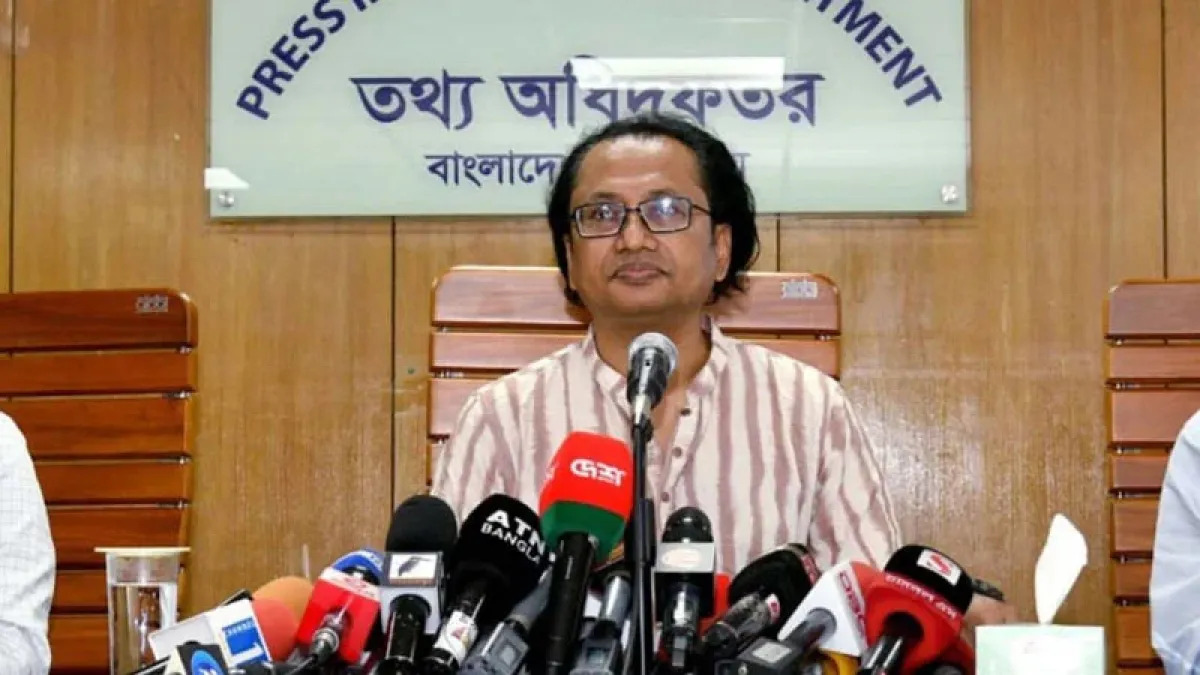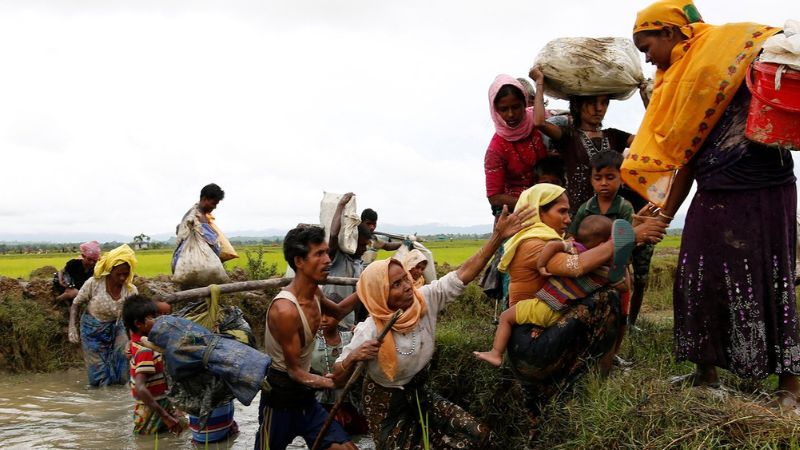
In a decisive move, Bangladesh has declared that it will no longer accept Rohingya refugees fleeing the ongoing violence in Myanmar, according to Mizanur Rahman, the country's refugee relief and repatriation commissioner. This statement comes amidst reports that many displaced people are congregating at the border, seeking refuge from escalating conflict.
In recent months, tensions have heightened over fears that the ongoing conflict between Myanmar’s ruling military junta and the ethnic-minority Arakan Army could provoke a new exodus of refugees into Bangladesh. The unrest, which began in late October 2023, includes intense clashes in Myanmar’s Rakhine and Chin states as the Arakan Army launched a concerted effort against the junta, in power since early 2021.
Many Rohingya, previously targeted in a 2017 military crackdown that led hundreds of thousands to seek refuge in Bangladesh, hail from the conflict-ridden Rakhine State. Notably, Maungdaw, a heavily Rohingya-populated area now controlled by the Arakan Army, is expected to face attempts by the junta to reclaim it.
“Intense battles are unfolding on the Myanmar side of the border, leading to daily casualties. Maungdaw, home to a significant Rohingya population, is caught in the crossfire,” Rahman told Arab News. Reports indicate that some Rohingya have already gathered at the border near Teknaf in Cox’s Bazar, hoping to cross into Bangladesh.
Currently, over a million Rohingya live in overcrowded camps in Cox’s Bazar, making it the largest refugee settlement worldwide. Rahman emphasized that Bangladesh is already overwhelmed and cannot accommodate any more refugees. “The camps are stretched to their limits, and we cannot accept another influx. Our position is firm: no additional Rohingya will be allowed to enter,” he stated.
The UN has estimated that 95% of Rohingya refugees are reliant on humanitarian aid, which has seen a decline since 2020 despite ongoing appeals for support from the World Food Program and the UN High Commissioner for Refugees.
The enduring refugee crisis is increasingly straining local resources. Despite not being a signatory to the 1951 UN Refugee Convention, Bangladesh has provided substantial support to the Rohingya community, including land, water, electricity, healthcare, and a significant security presence. The Ministry of Disaster Management and Relief estimates that Bangladesh has spent approximately $2 billion on refugee infrastructure since the crisis began.
BOB Post