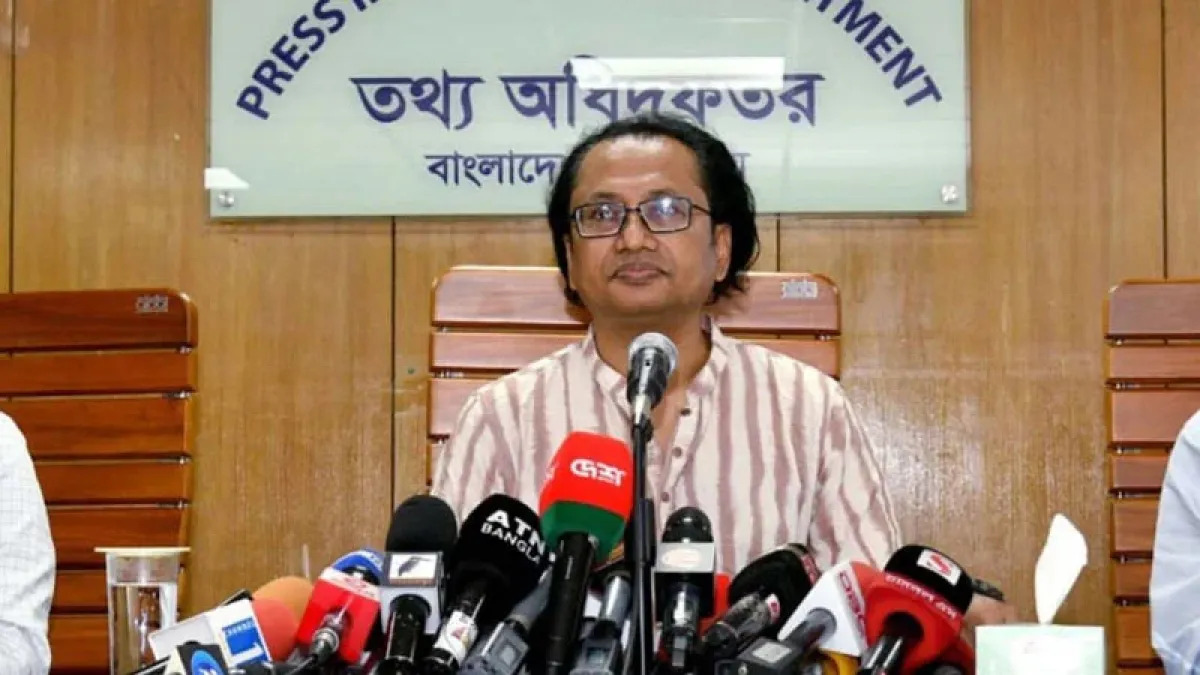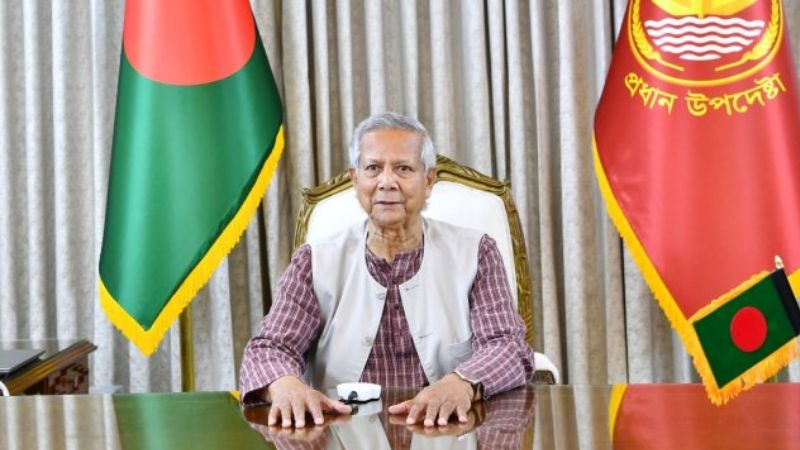
General elections in Bangladesh are set to take place by late 2025 or early 2026, according to interim leader Muhammad Yunus. The Nobel Peace Prize laureate and head of the caretaker government, installed after a popular revolution in August, made the announcement during a national broadcast marking Bangladesh's 53rd Independence Day.
Yunus, serving as "chief adviser" following a student-led uprising that ousted former Prime Minister Sheikh Hasina, is under mounting pressure to restore democracy and set an election date. The army chief, General Waker-uz-Zaman, who played a critical role by refusing to back Hasina during the deadly protests, previously stated that elections should be held within 12 to 18 months. Opposition parties, including the Bangladesh Nationalist Party (BNP), have also called for immediate polls.
In his address, Yunus emphasized the need for electoral reforms before setting a definitive date. “Reforms should take place first before the arrangements for an election,” he stated, adding that polls could be held by the end of 2025 if political parties agree to proceed with minimal reforms. A fully reformed process, including an updated and accurate voter list, could delay elections by a few months.
To handle important concerns including voter registration and the elimination of fraudulent entries from electoral rolls Yunus has established commissions. Following years of suspected electoral manipulation and abuses under Hasina's administration, these reforms are viewed as essential to rebuilding confidence in democratic institutions. One of Yunus's objectives is to "ensure 100 percent voter turnout," which he believes will stop future governments from compromising citizens' right to vote.
The caretaker government took power after weeks of violent protests against Hasina’s rule, which saw hundreds killed, primarily due to police actions. On August 5, Hasina fled to India by helicopter as protesters stormed her official residence. Reprisals against her supporters led to further bloodshed.
Hasina’s 14-year tenure was marked by accusations of corruption, politicization of courts, and suppression of opposition. Her government was widely criticized for staging unfair elections, including the last one in January, which was boycotted by major rivals. Yunus’s administration has since issued a warrant for Hasina's arrest and pledged accountability for abuses under her leadership.
Yunus acknowledged the challenges of restoring democratic institutions in the nation of 170 million but expressed hope that comprehensive reforms would pave the way for free and fair elections. "If this can be achieved, no government will ever dare to strip citizens of their voting rights again,” he said.
BOB Post