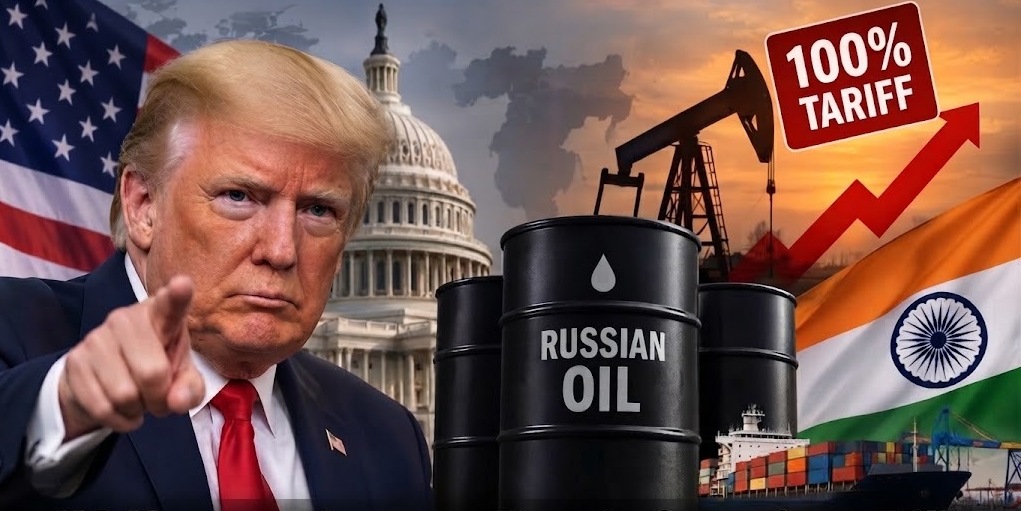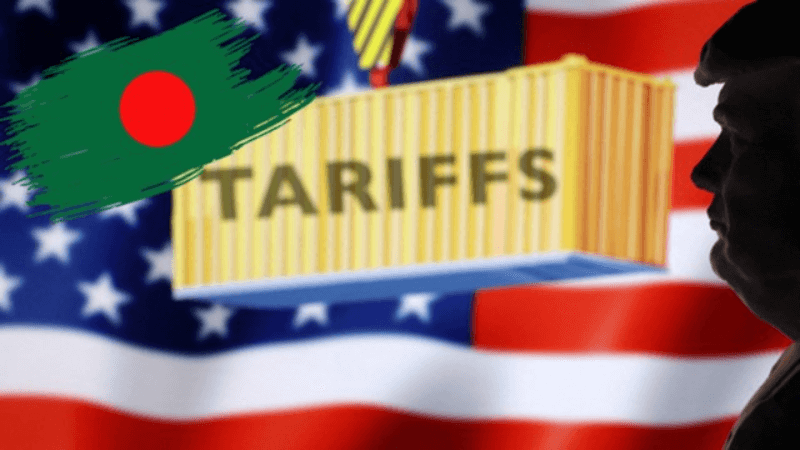
Bangladesh’s failure to negotiate effectively during the U.S.’s recent wave of tariff hikes has left its export sector – particularly the Ready-Made Garment (RMG) industry – alarmingly exposed, with a steep 35% reciprocal tariff looming by August 1. Experts warn the economic fallout could be severe, pointing to the country’s weak diplomatic engagement and lack of preparedness compared to global peers, including BRICS nations.
Originally scheduled to take effect on July 1, the U.S. administration led by President Donald Trump extended the tariff deadline by a month, giving targeted countries more time to renegotiate. Yet, despite having a three-month window since April, Bangladesh managed to reduce its own tariff by only 2% — a move seen by economists as largely symbolic.
Trade economist Zahid Hussain, former lead economist at the World Bank’s Dhaka office, criticized the country’s underwhelming efforts. “Even countries Trump is known to disfavor — such as BRICS members like South Africa and Russia’s allies — negotiated better outcomes. Bangladesh is behind 10 of the 14 countries facing tariff hikes. This speaks volumes about our trade diplomacy,” .

Bangladesh’s new tariff rate of 35%, when added to the existing 15–16% U.S. import duty on Bangladeshi goods, would bring the total tariff burden to over 50%. Only four countries — Laos, Myanmar, Thailand, and Cambodia — face higher or equal rates under the Trump administration's renewed protectionist measures.
Business leaders are increasingly concerned about the impact on the country's key export industry. The United States remains Bangladesh’s largest single export destination, particularly for RMG products, which account for over 80% of total exports.
“This could be devastating,” said Mohiuddin Rubel, former director of the Bangladesh Garment Manufacturers and Exporters Association (BGMEA). “The new tariffs threaten thousands of jobs. We urgently need to engage with U.S. importers and policymakers to push for exemptions or revised terms.”

Bangladesh’s sluggish response stands in stark contrast to countries like Vietnam, which secured a flat 20% rate after cutting its own trade barriers more significantly. Even Indonesia and South Africa – both part of the BRICS bloc – were able to limit their exposure to 30% and below.
“This isn't just about tariffs; it's about legacy,” Zahid Hussain said. “We lack a seasoned tradition of proactive economic diplomacy. Our trade officials seem reactive, not strategic.”
The government remains publicly hopeful ahead of a crucial meeting scheduled for July 9. However, many analysts remain skeptical about any meaningful shift in Washington’s stance within such a short window.
“If a breakthrough were likely, we wouldn’t have received that letter,” Hussain added. “We’ve had months to prepare. To expect a reversal in two days feels unrealistic.”
The tariff hike, if implemented, could severely erode Bangladesh’s competitive edge in the U.S. apparel market — particularly as rival suppliers like India, Vietnam, and Indonesia continue to improve trade terms through more agile diplomacy.
With time running out, trade leaders are calling for an immediate recalibration of Bangladesh’s global economic engagement strategy, urging greater use of private sector intermediaries, strategic lobbying in Washington, and more responsive negotiations to protect the country’s export backbone.
BOB Post