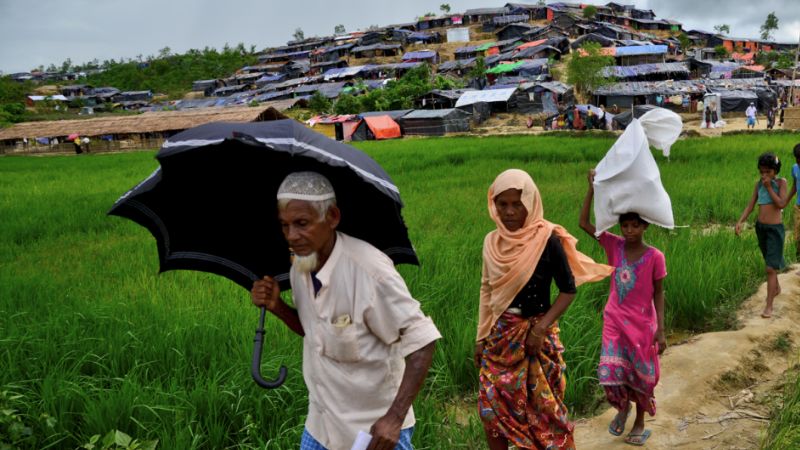
Bangladesh is making efforts to relocate up to 20,000 Rohingya refugees to the United States every year as the repatriation process to Myanmar remains stalled. The Rohingya, fleeing persecution and violence by Myanmar’s military, began seeking refuge in Bangladesh on August 25, 2017, with over 750,000 people settling in the Ukhiya-Teknaf area of Cox’s Bazar, which was already home to around 400,000 Rohingya.
Despite international pressure, a bilateral agreement was signed between Bangladesh and Myanmar in September 2017, under which Myanmar’s then-government, led by Aung San Suu Kyi, agreed to begin the repatriation process. However, efforts to return the refugees in 2019 faltered due to mistrust of Myanmar's authorities among the Rohingya population, causing the negotiations to fail.
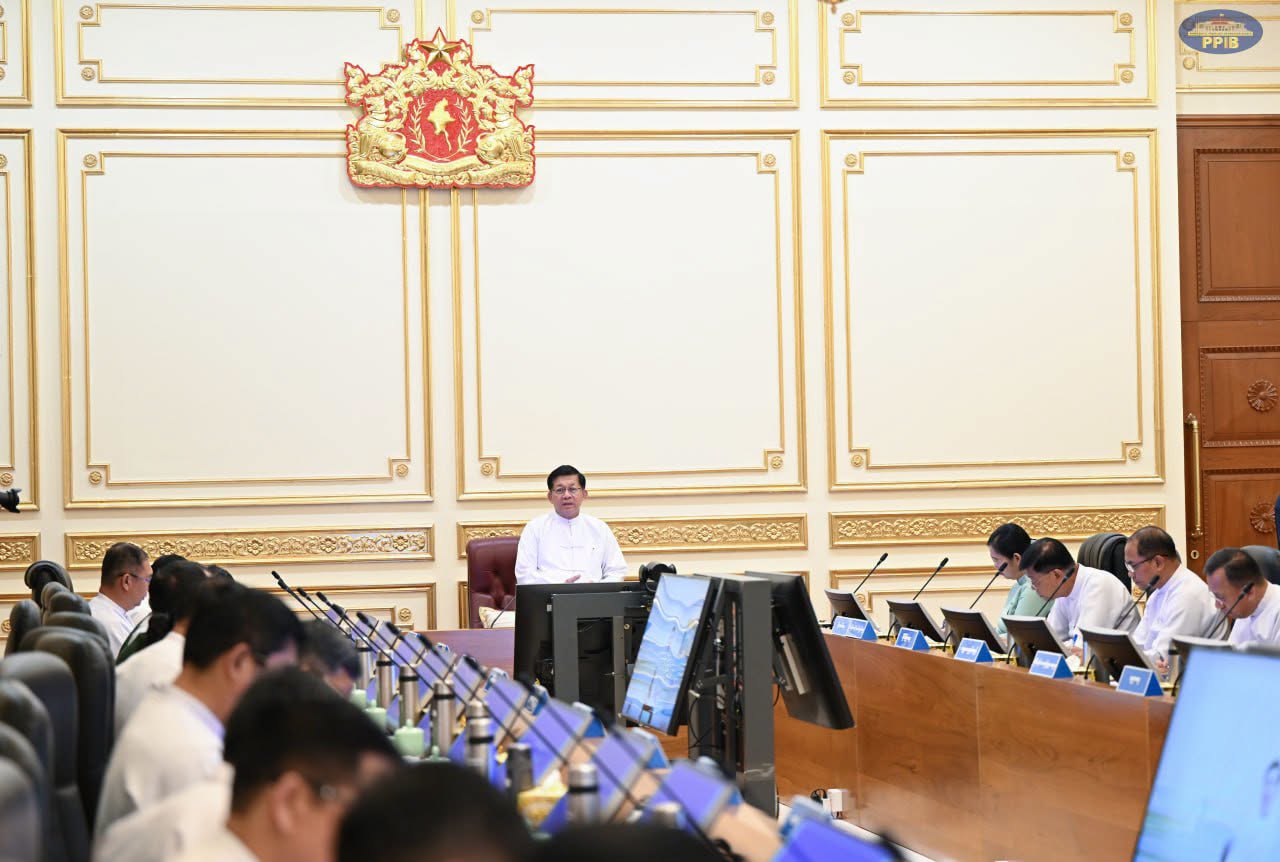
The onset of the COVID-19 pandemic further delayed the focus on the Rohingya crisis, and subsequent political instability in Myanmar following a military coup in February 2021 exacerbated the situation. General Min Aung Hlaing's junta seized control, complicating any prospects for resuming repatriation talks, especially as civil conflict continues to grip Myanmar. There are also growing concerns about potential new waves of Rohingya fleeing the violence in Rakhine State.
With the repatriation process in limbo, Bangladesh, having hosted the Rohingya for over seven years, has recently adopted a firmer stance due to reports of fresh entries into the country. Meanwhile, the US has been resettling Rohingya refugees since December 2022, with approximately 2,500 already relocated.
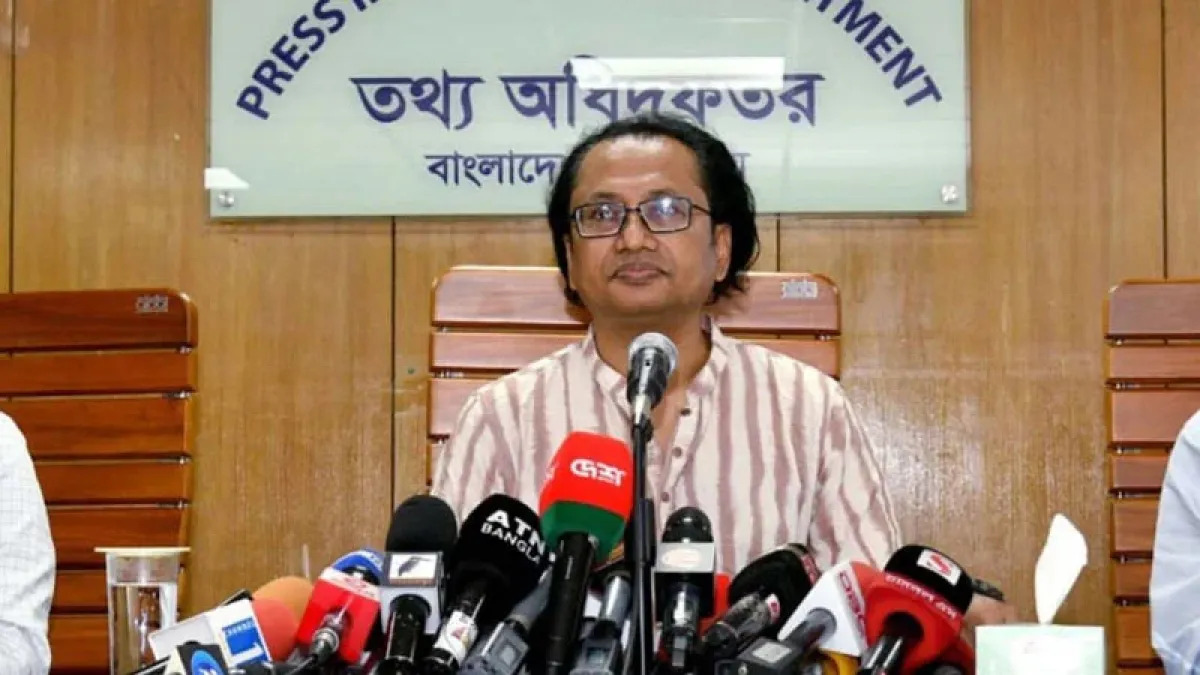
According to Touhid, an official involved in the process, efforts are underway to issue clearances promptly for those selected for resettlement in the US. “I personally believe that repatriation is not feasible at the moment. Stability, in any form—even if the Arakan Army gains control without challenge—must be achieved first,” he stated, stressing that international cooperation remains vital for resolving the Rohingya crisis.
BOB Post