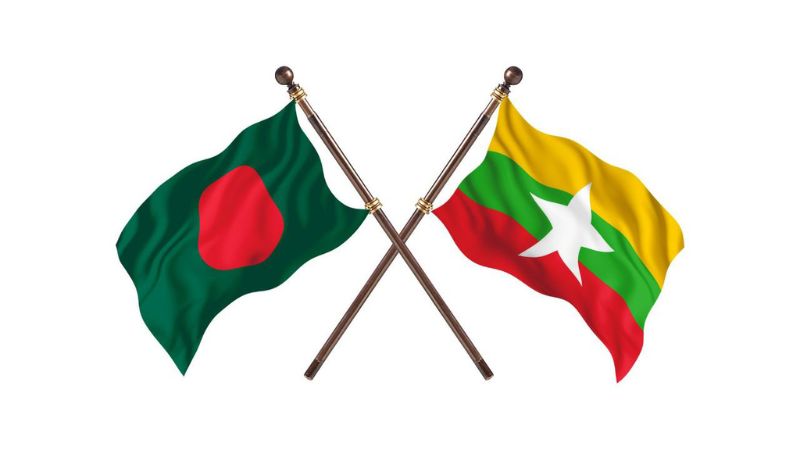
In a remarkable display of regional solidarity and proactive diplomacy, Bangladesh has taken center stage in Myanmar’s post-earthquake recovery efforts, reinforcing its commitment to neighborhood diplomacy and regional cooperation. Following the catastrophic earthquake that struck Myanmar on March 28, claiming over 3,500 lives and leaving 220 people missing, Bangladesh has swiftly mobilized a comprehensive rescue and relief operation — becoming one of the most effective foreign responders on the ground.
Under the direction of the Chief Adviser of Bangladesh, Professor Dr. Muhammad Yunus, a specialized joint rescue and medical team consisting of personnel from the Bangladesh Army, Navy, Air Force, and civilian doctors has been operating in Naypyidaw since (April 1). Their mission: to deliver lifesaving aid, medical services, and critical recovery support to Myanmar in its darkest hour.
Bangladesh’s humanitarian initiative has unfolded in three strategic phases. On March 30, 16.5 tonnes of emergency supplies — including dry rations, potable water, oral saline, tents, and hygiene kits — were delivered to Yangon via cargo aircraft. In the second wave on April 1, three aircraft transported 92 rescuers and medical staff with 13 tonnes of essential relief materials.
The third and most robust phase began on April 8, involving 176 personnel carrying a massive 120-tonne consignment of food, clean water, medical supplies, and surgical support. The Bangladeshi medical team has already treated 619 patients, including four critical surgeries performed under extreme conditions.
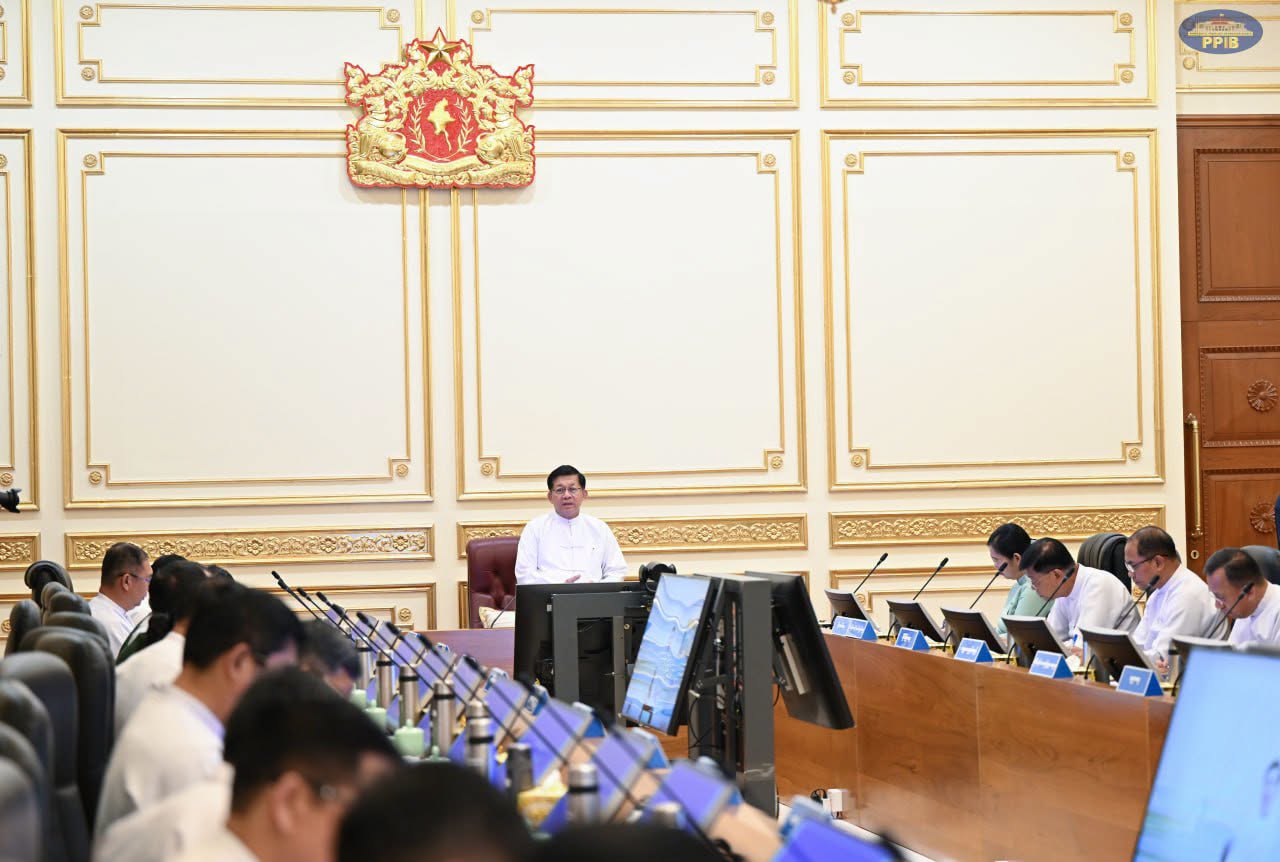
Additionally, Bangladeshi forces responded to a request from Myanmar’s Deputy Prime Minister U Than Shwe to recover important documents and items from the wreckage of the Ministry of Foreign Affairs building in Naypyidaw.
Bangladesh’s swift response is more than just humanitarian — it marks a strategic pivot in Dhaka’s regional diplomacy. After years of strained ties, particularly during the former Sheikh Hasina administration, relations with Myanmar appear to be thawing. This renewed goodwill offers hope for progress on long-standing bilateral challenges, especially the pressing Rohingya refugee crisis.
In a recent development, a high-level meeting during the BIMSTEC summit between Bangladesh’s Special Representative Mr. Khalilur Rahman and Myanmar’s Deputy Prime Minister indicated that the repatriation of 180,000 Rohingya refugees is underway — a notable breakthrough in regional diplomacy.
Bangladesh is actively applying the principles of neighborhood diplomacy — amity, sincerity, mutual benefit, and inclusiveness — as advocated by China, to rebuild trust and cooperation with Myanmar. This approach not only supports disaster recovery but also strengthens strategic regional positioning.
Bangladesh’s engagement in Myanmar has the potential to reshape regional geopolitics. With Myanmar’s internal conflict between the Junta government and the People’s Democratic Front (PDF) spilling over into Bangladesh's territory, Dhaka is increasingly motivated to ensure security along the Chittagong Hill Tracts. A balanced approach that fosters communication with both state and non-state actors in Myanmar may be key to preventing cross-border unrest.
Furthermore, reducing dependency on India through diversified regional cooperation — including stronger ties with Myanmar — could offer Bangladesh new leverage. Enhanced economic collaboration may include the use of Chittagong and Mongla ports to connect with Southeast and Central Asia, including China.
Myanmar's rich natural resources present immense potential for trade. Bangladesh could import oil, gas, bamboo, and timber while exporting fertilizer, cement, and paper goods. Plans are underway to establish an economic zone near the border to facilitate cross-border investment and trade — signaling a deeper, long-term partnership.
As Bangladesh solidifies its position as a dependable regional actor, its humanitarian support to Myanmar sets the tone for a new chapter of mutual respect, economic integration, and diplomatic balance in South and Southeast Asia.
Bangladesh’s decisive earthquake relief effort is not only saving lives — it's strategically positioning the country as a compassionate leader in regional cooperation. Through neighborhood diplomacy and forward-thinking engagement, Dhaka is transforming a humanitarian crisis into an opportunity for peace, partnership, and progress.
BOB Post