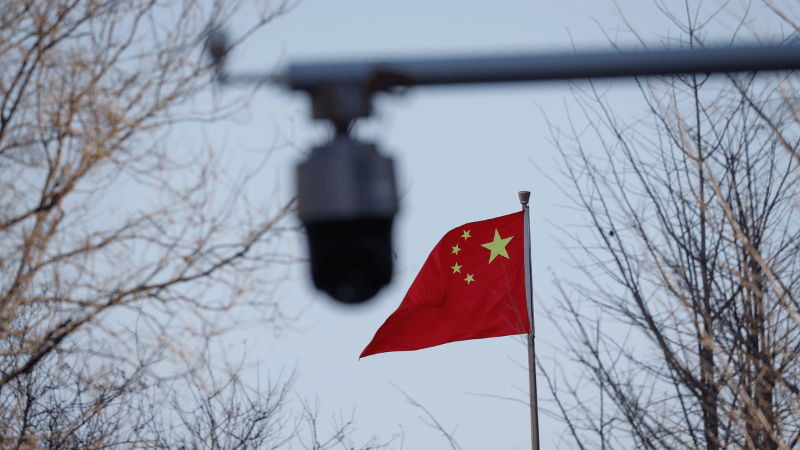
Chinese lawmakers have passed a significant amendment to the state secrets law, introducing a new category known as "work secrets." Effective from May 1, this marks the first expansion of the law since 2010 and reflects President Xi Jinping's heightened emphasis on national security. The revised Law on Guarding State Secrets broadens the scope of restricted information to include unclassified data that, if leaked, could have an "adverse impact," emphasizing the need for vigilance in protecting work-related information, including business operations, research, and technology.
The implications of this expansion are seen as part of President Xi's broader strategy to enhance national security. Last April, China updated its anti-espionage law, raising concerns internationally that routine business activities might face penalties. Recent police raids on management consultancies, including Mintz Group and Bain & Co., have added to concerns within the foreign business community operating in China, along with the detention of a Japanese pharmaceutical executive on espionage allegations since last March.
Balancing transparency and security remains a challenge, as the revised law requires government agencies and work units to safeguard not only official state secrets but also information that, while not classified, could still cause adverse effects if disclosed. The international community closely monitors these developments, with foreign governments and businesses wary of potential implications for their operations in China.
As the definition of "work secrets" remains broad, companies operating in China must exercise caution to avoid inadvertently violating the law. The move reflects China's evolving approach to information security, emphasizing the delicate balance between protecting sensitive data and maintaining transparency and accountability. Businesses and individuals must navigate these complexities as the law takes effect, considering the impact on their operations in China amid the evolving landscape of national security laws.
BOB Post