China has stepped up its criticism of the Philippines, accusing some of its politicians of deliberately provoking Beijing and damaging relations between the two countries as tensions continue to simmer over the South China Sea.
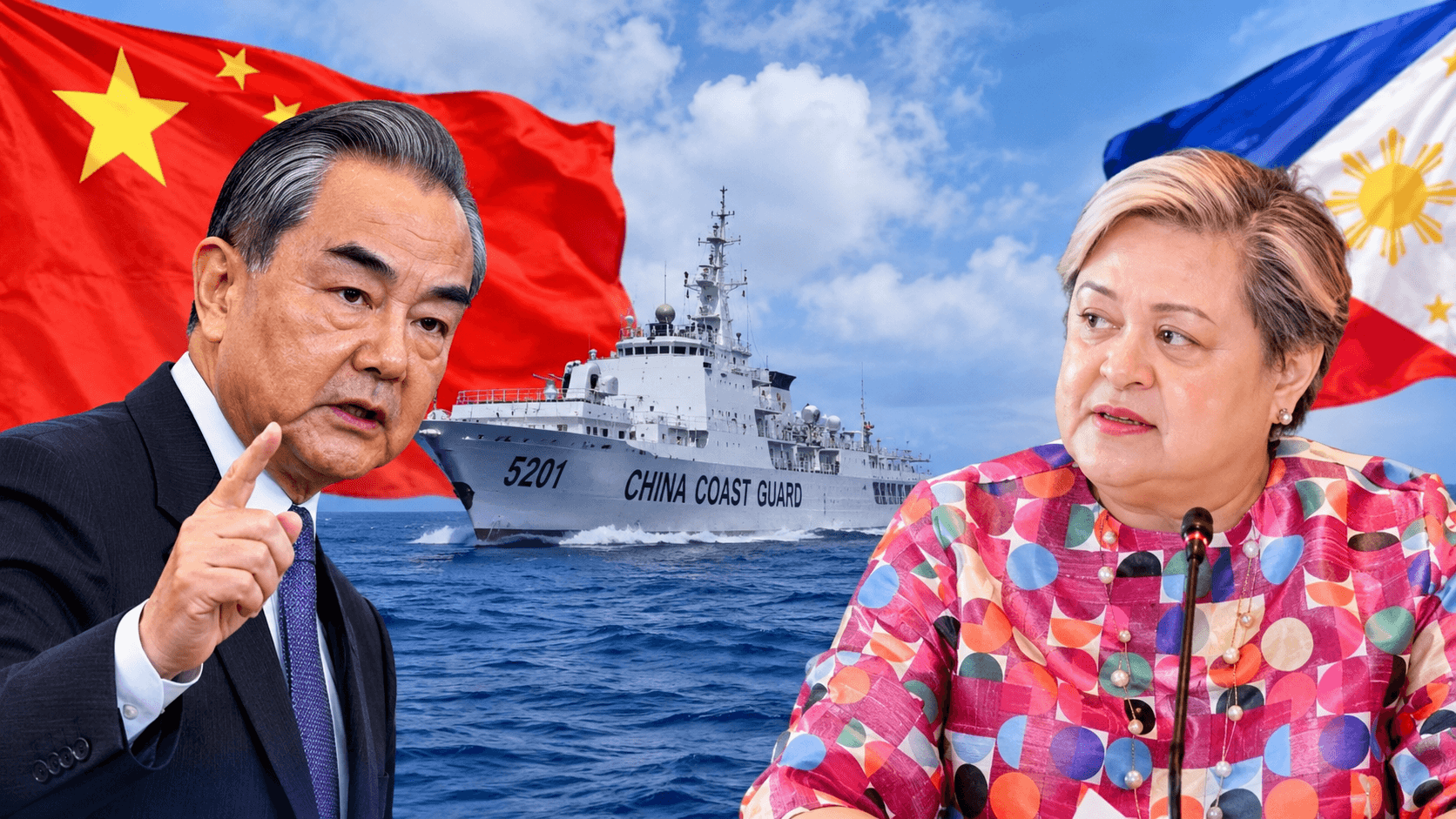
Chinese Foreign Minister Wang Yi delivered the warning during a telephone conversation with Philippine Foreign Secretary Theresa Lazaro on Tuesday. He described the behaviour of some Philippine politicians as “intolerable” and urged Manila to stop actions that Beijing considers harmful to its interests.
Wang accused Philippine politicians of using anti-China rhetoric for domestic political gains, warning that their actions could push bilateral relations further into crisis. He also called on Manila to respect China's stated concerns and avoid crossing what Beijing considers its red lines.
Lazaro, however, described the conversation as frank and constructive, emphasising the need to maintain communication and handle disagreements through diplomatic channels.
The latest confrontation comes after a series of exchanges between the two governments. In October, Manila summoned Chinese Ambassador Jing Quan over his remarks suggesting that China could easily defeat the Philippines in a military conflict but preferred to maintain peace. The comments triggered strong reactions among Philippine lawmakers, with some demanding his expulsion.
According to Radio France Internationale (RFI), the dispute is part of a wider regional contest over maritime rights and strategic influence in the South China Sea. The Philippines has repeatedly challenged China's extensive territorial claims, which were rejected by an international arbitration tribunal in 2016. Beijing has refused to recognise the ruling.
The Philippines has also strengthened its defence cooperation with the United States and other regional partners, a move that has drawn repeated criticism from Beijing.
The latest diplomatic exchange highlights how quickly disagreements between the two neighbours are spilling beyond maritime confrontations into political and security relations. With neither side showing signs of backing down over its territorial position, tensions remain a major challenge to stability in the South China Sea.
BOB Post