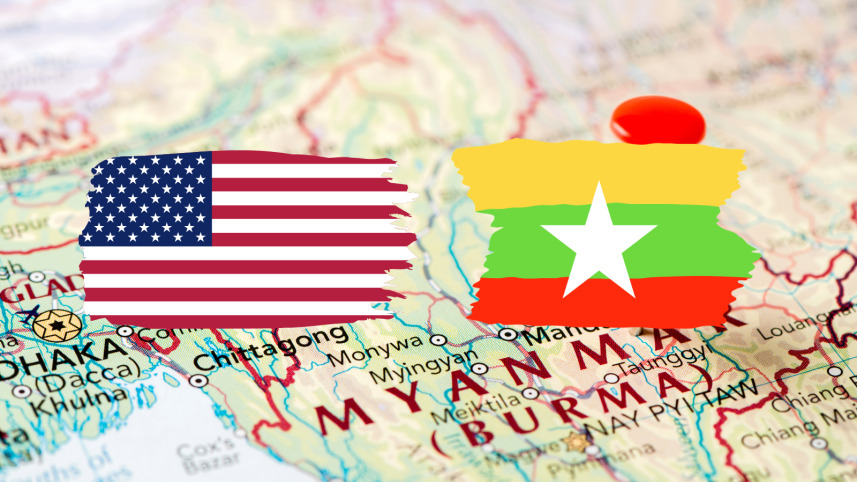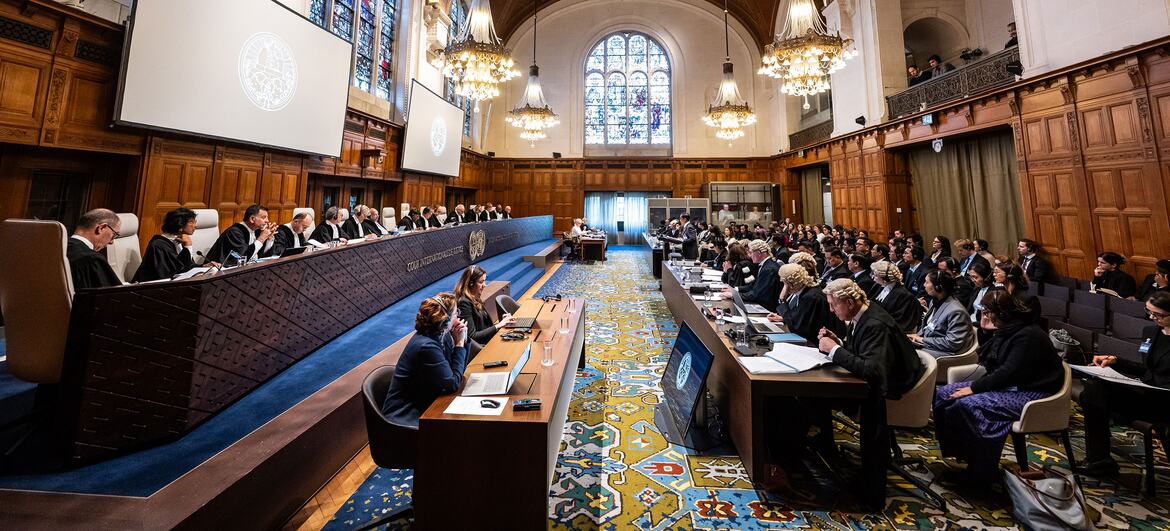
The International Court of Justice (ICJ) is set to deliver a landmark ruling on November 19 in a genocide case against Myanmar, bringing renewed international attention to the mass atrocities committed against the Rohingya and the country's long-standing failure to ensure accountability.
The case, brought by The Gambia in 2019, accuses Myanmar of violating the 1948 UN Genocide Convention through its military crackdown on the Rohingya in Rakhine State. The proceedings have become a major test of international law and the international community's willingness to hold states accountable for alleged genocide.
According to Radio France International (RFI), the court's decision could intensify diplomatic and legal pressure on Myanmar, although the ICJ has no independent mechanism to enforce its judgments. A finding of genocide would carry significant political and legal consequences for Myanmar and could strengthen calls for international action.
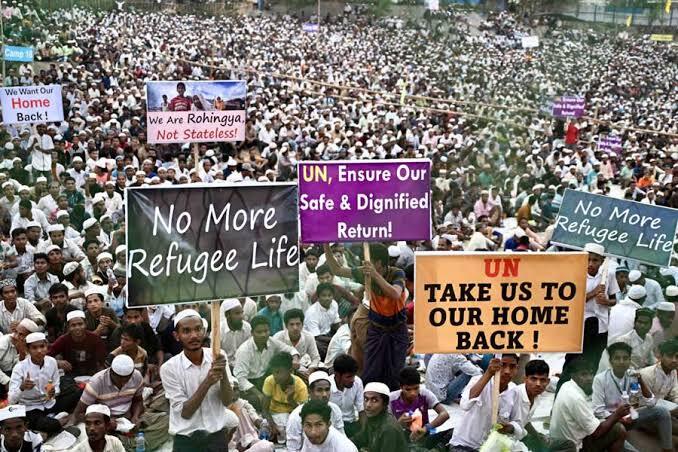
The military operations in 2017 forced hundreds of thousands of Rohingya to flee across the border into Bangladesh. Survivors reported widespread killings, sexual violence, village burnings and other abuses by Myanmar's security forces and allied groups. More than one million Rohingya remain in refugee camps in Bangladesh, with safe and dignified repatriation still out of reach.
During hearings in January, Gambian Justice Minister Dawda Jallow told the court that the Rohingya had endured some of the most horrific violence imaginable and had been targeted for destruction as a community. He argued that alleged violations of the Genocide Convention should concern the entire international community, not just the countries directly involved.
Myanmar rejected the allegations, describing them as unsubstantiated. Its representatives maintained that the military operations were conducted in response to attacks by armed insurgents and challenged the evidence presented by The Gambia.
The case previously reached a crucial stage in 2020 when the ICJ ordered Myanmar to take all measures within its power to prevent acts prohibited under the Genocide Convention. The court also rejected Myanmar's objections to its jurisdiction, allowing the proceedings to move forward.
Former civilian leader Aung San Suu Kyi personally defended Myanmar before the court in 2019, denying that the military operations involved genocidal intent. She is now under house arrest following the February 2021 military coup and is not expected to attend the November 19 proceedings.
The ICJ case is part of a wider international effort to pursue accountability for crimes against the Rohingya. In 2024, the chief prosecutor of the International Criminal Court (ICC) sought an arrest warrant for Myanmar's military chief Min Aung Hlaing over alleged crimes against humanity linked to the persecution and deportation of the Rohingya.
A separate case is also proceeding in Argentina under the principle of universal jurisdiction, which allows national courts to investigate certain serious international crimes regardless of where they were committed.
For Bangladesh, which continues to host more than one million Rohingya , the ruling carries particular significance. Nearly nine years after the mass displacement of 2017, the absence of meaningful accountability and guarantees of safety, citizenship and rights in Myanmar remains a major obstacle to repatriation.
The November 19 decision will therefore be closely watched beyond the courtroom. It could shape the future of international accountability for the Rohingya and provide an important legal reference for other genocide proceedings before the ICJ, including the case brought by South Africa against Israel over its military campaign in Gaza.
BOB Post