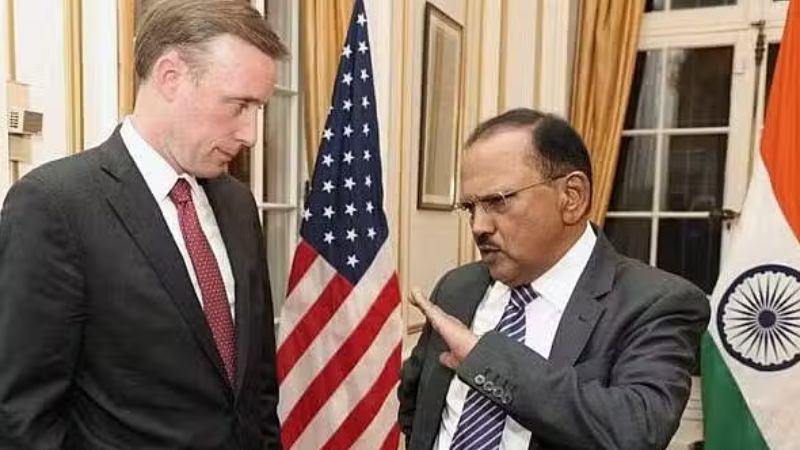
United States National Security Adviser Jake Sullivan arrived in New Delhi today (January 5) for a two-day visit aimed at strengthening ties with India and addressing pressing regional concerns. A central focus of his discussions with Indian counterparts will be the potential environmental and economic impacts of China’s construction of a massive hydropower dam on the Yarlung Zangbo River in Tibet, which flows into northeastern India as the Brahmaputra.
Indian officials have raised apprehensions with Beijing over the project, approved last month, which is set to generate 300 billion kilowatt-hours of electricity annually, making it the largest hydropower dam globally. Concerns center on its potential to disrupt downstream water supplies and exacerbate environmental challenges. However, Chinese authorities have downplayed these fears, asserting that the dam will have minimal environmental consequences.
Ahead of Sullivan’s visit, a senior US official acknowledged the potential risks posed by upstream dams in the Indo-Pacific region, highlighting similar challenges faced by countries in the Mekong River basin. "We’ve certainly seen in many places in the Indo-Pacific that upstream dams created by the Chinese can have potentially damaging environmental and climate impacts on downstream countries," the official said.
Broader Strategic Agenda
In addition to discussions on the dam’s implications, Sullivan’s meetings are set to cover a range of strategic and economic issues. Key topics include advancing cooperation on civilian nuclear technology, artificial intelligence, space exploration, and military licensing agreements. Economic challenges, such as Chinese industrial overcapacity, are also expected to feature in the talks.
The visit reflects the growing convergence between Washington and New Delhi on regional and global issues, even as differences persist in certain areas. These include India’s longstanding ties with Russia, which continue to draw scrutiny from the US, and recent allegations of Indian involvement in plots targeting Sikh separatists abroad.
At a time of increased geopolitical tension, both countries are looking to strengthen their alliances in order to offset China's growing influence in the Indo-Pacific area. The discussion is seen by observers as an essential step in coordinating plans and resolving shared issues in a world that is changing quickly.
Sullivan is expected to meet with top Indian officials, including National Security Adviser Ajit Doval, during his stay. A joint statement outlining the outcomes of the discussions is anticipated by the end of his visit on January 6.
BOB Post