

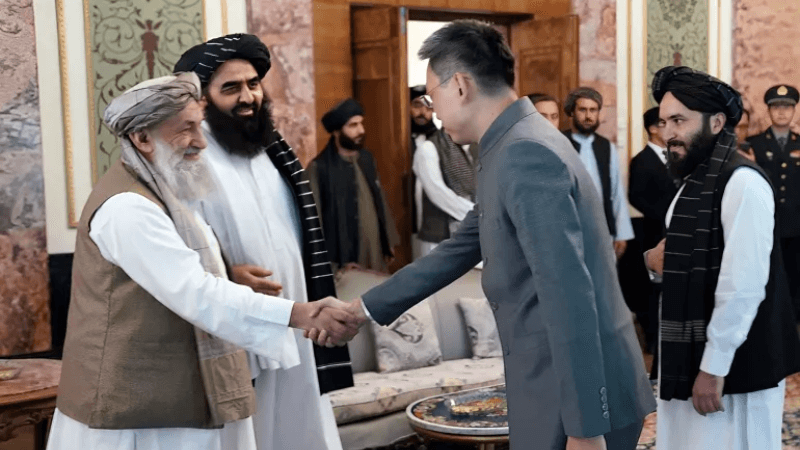




In a diplomatic milestone, Chinese President Xi Jinping formally accepted the credentials of Mawlawi Asadullah Bilal Karimi, the Afghan envoy appointed by the interim Taliban administration. This move, marked by a ceremony at the Great Hall of the People in Beijing, marks China's growing ties with Afghanistan and signifies its pragmatic approach in engaging with the Taliban despite global concerns. China becomes the first nation to recognize the Taliban's envoy, emphasizing its willingness to maintain diplomatic channels with a group yet to receive widespread international recognition.
The recognition holds both symbolic and substantive importance, reflecting China's deepening involvement in Afghanistan. China's proactive steps, such as appointing an ambassador to Afghanistan after the Taliban's return to power in 2021, demonstrate its strategic interests in the region. Beijing's engagement with the Taliban, despite their history of human rights abuses and international scrutiny, reflects a delicate balancing act as it seeks stability in its neighboring region while safeguarding economic interests, including the Belt and Road Initiative.
While China's move has drawn attention globally, no UN member states have officially recognized the Taliban's interim administration. The international community closely monitors developments in Afghanistan as China's recognition of the Taliban envoy reverberates across global diplomacy. As the geopolitical landscape evolves, this diplomatic milestone underscores the complexities nations face in balancing pragmatism, regional stability, and adherence to international norms.
China's deepening relationship with the Taliban is rooted in security concerns as a direct neighbor of Afghanistan. The recognition of Bilal Karimi as the Taliban envoy to Beijing builds on decades-long pragmatic relations, with China reaching out to the Taliban even during their pariah government in the late 1990s. Despite the Taliban's isolation, Beijing's engagement, marked by business deals and investments, indicates a strategic choice driven by realism and opportunity. While China is the first to recognize a Taliban ambassador, other countries like Russia, Iran, Turkey, and India have also made efforts to engage with the Taliban on various fronts, reflecting a broader trend in regional geopolitics.
BOB Post