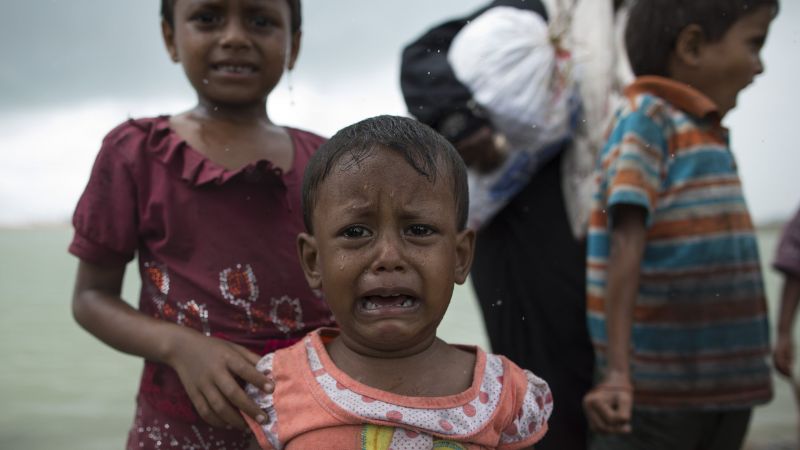
Seven years after the mass exodus of Rohingya people fleeing violence in Myanmar, conflict in Rakhine State continues to intensify, with devastating consequences for civilians, particularly in Maungdaw Township. The region has seen a surge in casualties and displacement, forcing more people to seek refuge in Bangladesh.
UNICEF has raised the alarm over reports of civilians, especially children, being caught in the crossfire, resulting in numerous deaths and severe injuries. The humanitarian situation in Rakhine has worsened, with access to essential services like healthcare and safe water jeopardized by ongoing electricity, telecommunications, and internet blackouts since January. This has severely impacted both civilian lives and humanitarian efforts.
"Seven years after Rohingya families fled violence in search of safety, these new reports are a painful reminder of the continued threats to children in Myanmar," said UNICEF Executive Director Catherine Russell. "Children and families continue to pay the price for conflict, losing their lives, livelihoods, and futures."
On August 5, 2024, artillery shelling and drone attacks reportedly killed 180 people, including many women and children, near the Naf River, which separates Bangladesh and Myanmar. Thousands were displaced from Maungdaw Township that same day.
Tragedy struck again on August 6 and 19 when boats carrying dozens of people, including children, sank in the Naf River, claiming more lives in a series of capsize incidents. Since November 2023, escalating conflict in Rakhine and Chin states has displaced over 327,000 people, bringing the total number of displaced in Rakhine to more than half a million.
Across Myanmar, the humanitarian crisis that worsened after the February 2021 coup continues to deteriorate. Children have borne the brunt of violence, displacement, and the collapse of health and education services. An estimated 3.3 million people have been displaced nationwide, with nearly 40% being children. In 2024, a record 18.6 million people, including 6 million children, require humanitarian assistance.
The Rohingya refugees who fled Myanmar in 2017 now total nearly one million in Bangladesh, half of whom are children growing up in the world’s largest refugee camp. Despite humanitarian assistance, these refugees live in crowded, temporary shelters. UNICEF, in cooperation with Bangladesh’s Interim Government, continues to provide vital services, including access to clean water, healthcare, education, and protection for children.
"Bangladesh’s continued support is critical, especially for refugee children," Russell said. "We remain committed to working with the Interim Government to ensure that these children are protected and receive the services they need."
UNICEF has urged all parties in Myanmar to protect civilians, particularly children, and to allow humanitarian workers safe access to deliver aid. The situation remains dire as violence and displacement show no signs of abating.
BOB Post