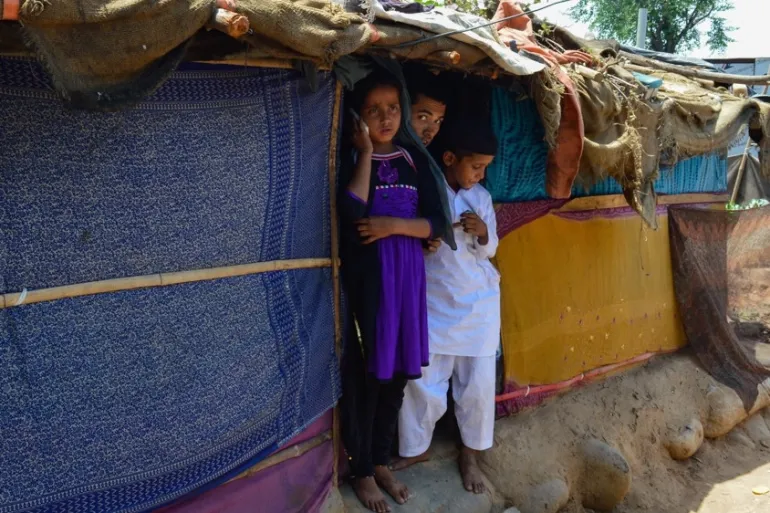
Recent remarks by Delhi Industries Minister Manjinder Singh Sirsa targeting undocumented Rohingya and Bangladeshi immigrants have sparked strong criticism from human rights observers, regional peace advocates, and diplomatic analysts. While Sirsa accused the Aam Aadmi Party (AAP) of vote-bank politics and called for the demolition of settlements allegedly belonging to illegal immigrants, experts warn such rhetoric dangerously oversimplifies a complex humanitarian and regional issue.
Sirsa's call for large-scale eviction and his branding of entire communities as criminal entities have been described by many as inflammatory and damaging to India's longstanding image as a democratic and pluralistic nation. His repeated conflation of national security with the presence of vulnerable groups, particularly the stateless Rohingya and economically displaced Bangladeshis, has also drawn concern from human rights defenders.

Ignoring the Humanitarian Realities
The Rohingyas, widely recognized by the United Nations as one of the most persecuted minorities in the world, have fled genocidal violence in Myanmar. Many who reached Indian soil sought refuge, not criminal enterprise. Their presence in urban peripheries like Delhi, while undocumented, is a direct result of decades-long regional instability, ethnic cleansing, and failed international efforts to ensure repatriation or dignified resettlement.
Similarly, Bangladeshi migrants in India, often labeled as “illegal” without due process, include many who arrived decades ago during times of political turmoil, economic displacement, or climate-driven migration. Critics argue that it is unfair to reduce their existence to a criminal narrative without recognizing the shared history, cross-border livelihoods, and cultural ties between India and Bangladesh.

Diplomatic Repercussions
Political commentators warn that Sirsa’s public vilification of Bangladeshi nationals may negatively impact bilateral relations between Dhaka and New Delhi. Bangladesh has emerged as a crucial strategic partner in South Asia, cooperating on trade, security, river water management, and regional connectivity. Recent developments—including Bangladesh's accession to the UN Water Convention and hosting of regional climate forums—underline the country’s rising global standing.
“It is regrettable that certain leaders are using anti-Bangladeshi sentiments to stoke populist fears during politically fragile times,” said one retired diplomat. “This not only harms India’s regional image but also threatens the core values of SAARC-level cooperation.”
Selective Outrage and Misinformation
Sirsa’s invocation of a reported crime in Bangladesh to justify domestic crackdowns was also challenged for being unrelated and inflammatory. Human rights activists emphasized that the alleged incident in Bangladesh, if factual, should be addressed through appropriate diplomatic and legal channels—not used to generalize and criminalize an entire community.
Moreover, digital rights groups questioned the targeting of specific apps such as IMO, used widely across South Asia for low-cost communication. “Using such common tools to label immigrants as suspects of wrongdoing is misleading and paints an entire diaspora as a threat,” said a digital rights advocate.
The Need for Compassionate Governance
Observers say that the solution lies in balanced governance that differentiates between undocumented migration and organized crime. Rather than communalizing the issue, a focus on regional cooperation, transparent legal processes, and humane immigration policies is urgently required.
Bangladesh’s own efforts in hosting over a million Rohingya refugees on its soil, largely without significant international assistance, stands as a testament to its humanitarian commitment. It is crucial for Indian authorities to uphold a sense of regional solidarity and legal compassion, especially when dealing with vulnerable populations.
“The real test of leadership,” noted a civil rights lawyer, “is not in demolishing huts or stirring emotions, but in upholding the Constitution, respecting international norms, and fostering peace and dignity for all.”
BOB Post