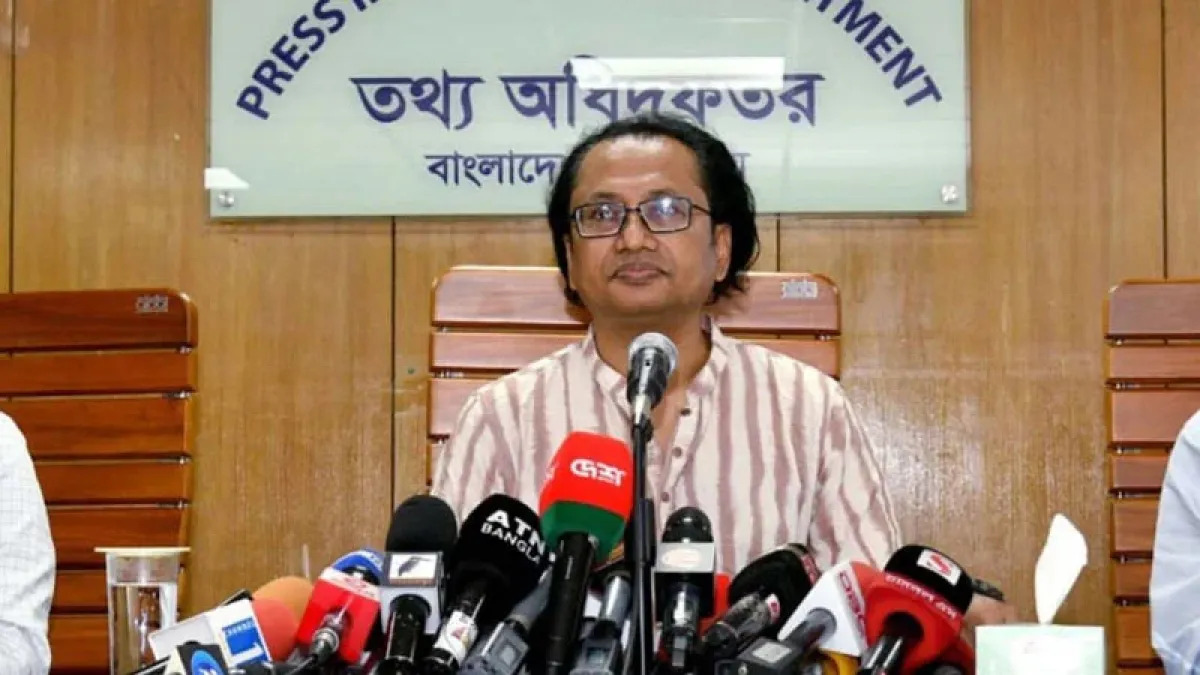
The interim government of Bangladesh has reiterated the urgent need for the global community to support the prompt repatriation of Rohingyas to their homeland in Myanmar. Dr. Khalilur Rahman, the high representative on Rohingya issues and priority affairs to the chief adviser, made this appeal during an international conference at the Doha Forum in Qatar.
Speaking at the Sheraton Hotel in Doha, Dr. Rahman urged global leaders to forge a consensus to resolve the protracted Rohingya crisis. "We call on the international community to work collectively to ensure the safe and prompt repatriation of Rohingyas to Myanmar," he said, according to a statement from the Ministry of Foreign Affairs.
Addressing a session titled "Bangladesh at a Crossroads: Governance, Democratic Reforms, and the Post-Sheikh Hasina Trajectory," Dr. Rahman emphasized the challenges Bangladesh has faced while hosting nearly 1.2 million Rohingyas for over seven years. Despite limited resources, Bangladesh has provided shelter on humanitarian grounds, he noted.
The session began with a six-minute pre-recorded message from Chief Adviser Dr. Muhammad Yunus, screened in the presence of Qatar's Minister of State for Higher Education. Dr. Yunus highlighted the critical importance of international cooperation in resolving the Rohingya crisis.
Dr. Rahman expressed optimism about a special next year UN conference on the Rohingya issue. He hopes will accelerate the repatriation process through collaborative efforts.
Socio-Political Challenges in Bangladesh
Dr. Rahman reflected on Bangladesh's socio-political challenges after the July-August student-led mass uprising. He described the former Sheikh Hasina administration as a “fascist regime.” He highlighted incidents of violent crackdowns on protesters, resulting in casualties and injuries.
The interim government, he stated, is focused on rebuilding the nation with a commitment to democracy and equality. "We aim to bring systemic reforms that will enable marginalized communities, including children of farmers and laborers, to aspire to national leadership. That will be the true measure of progress," Dr. Rahman remarked.
Bangladesh-India Relations
Turning to regional dynamics, Dr. Rahman called for greater responsibility from India as a neighboring country during Bangladesh's transitional phase toward democracy. He criticized misinformation campaigns and emphasized the importance of mutual respect in strengthening bilateral ties.
Looking ahead to the upcoming meeting between the foreign secretaries of Bangladesh and India, Dr. Rahman expressed hope that it would lead to improved relations and cooperation between the two countries.
The conference underscored Bangladesh's commitment to addressing domestic and international challenges while seeking stronger partnerships to navigate this critical juncture in its history.
BOB Post