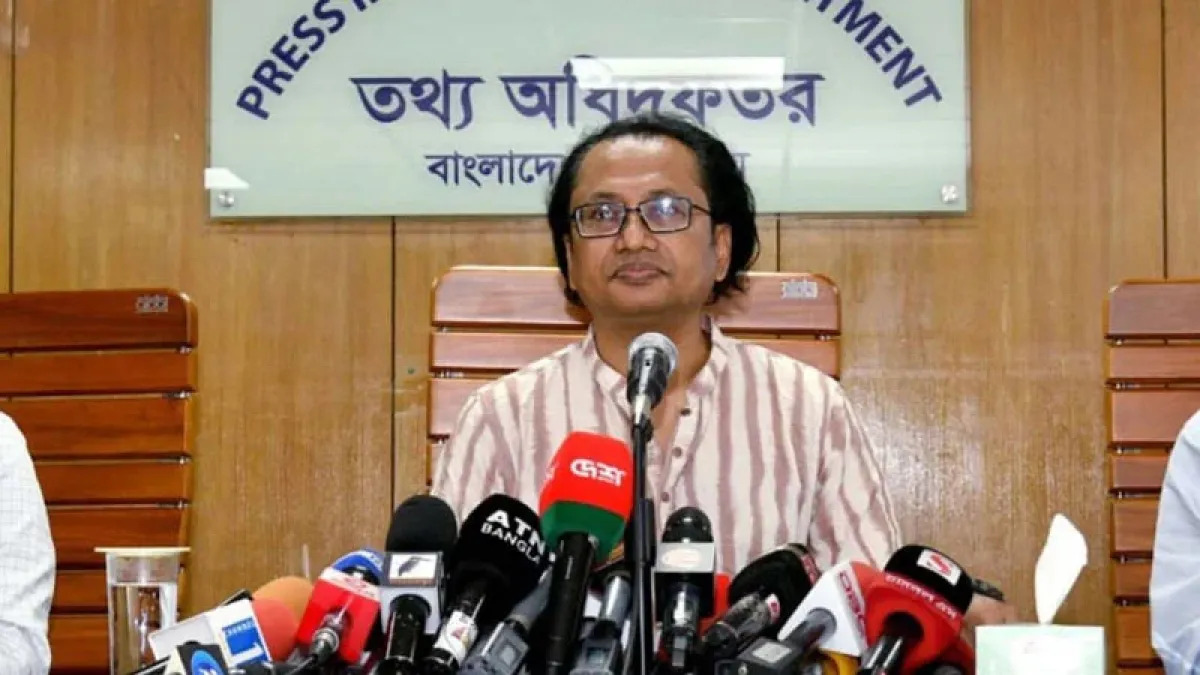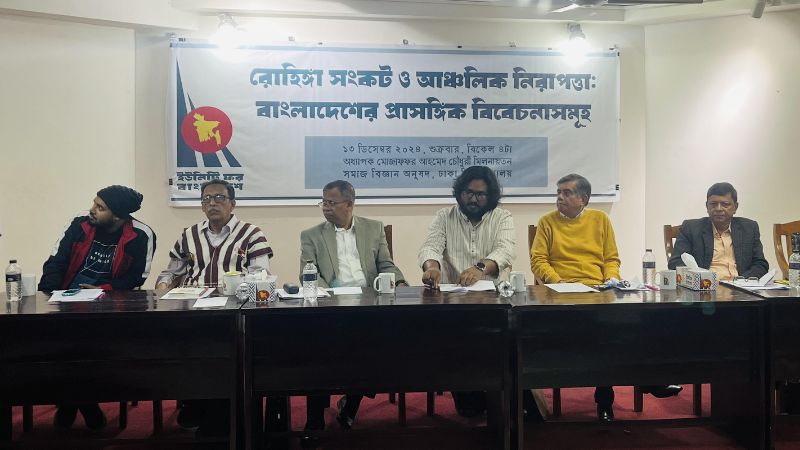
Bangladesh will take a measured approach to the Rohingya crisis, deciding on its next steps after closely monitoring the evolving situation in Myanmar’s Rakhine State, Dr. Khalilur Rahman, Chief Adviser’s high representative on the “Rohingya crisis and matters of priority,” said today.
“We don’t want to act hastily. Stability in Rakhine is essential before any decisions are made. This is not just a humanitarian issue but also a matter of national security. Any steps will be based on thorough observation,” Dr. Rahman stated during a virtual discussion titled ‘Rohingya Crisis and Regional Security: Relevant Considerations for Bangladesh,’ organized by Unity for Bangladesh at Dhaka University.
Highlighting the volatile situation, Dr. Rahman pointed out that the Arakan Army has established control in parts of Rakhine, particularly in areas inhabited by the Rohingya, rendering them outside the Myanmar government’s jurisdiction. “We must address this issue with seriousness and work towards a permanent solution to the Rohingya problem,” he added.
Efforts are underway to engage with the Arakan Army to maintain stability along the Bangladesh-Myanmar border, Dr. Rahman revealed. Additionally, Bangladesh is planning to host an international conference on the Rohingya crisis in Doha, Qatar, to mobilize global political and public opinion for a resolution.
Dr. Rahman also announced a collaborative initiative with the UN Secretary-General’s Special Envoy for Myanmar to assess the potential for further refugee arrivals in light of the current unrest. He stressed the importance of issuing a joint international statement urging conflicting parties in Myanmar to adhere to international laws and avoid escalating tensions.
Migration expert Dr. C.R. Abrar emphasized the need to educate and train the Rohingya population to foster a sense of responsibility and a desire to return to their homeland. “With the United Nations’ support, efforts should focus on helping the Rohingyas reach agreements on their identity and rights,” he said.
Other notable speakers included former Principal Staff Officer of the Armed Forces Division, Lt. Gen. Mohammad Mahfuzur Rahman, retired Major General Md. Nayeem Ashfaque Chowdhury, and Dhaka University’s International Relations Professor Dr. Saima Ahmed. The discussion was moderated by Unity for Bangladesh spokesperson Manjur Moin.
The event underscored the need for a balanced and strategic response to the Rohingya crisis, emphasizing long-term stability and regional security.
BOB Post