The humanitarian crisis faced by over one million Rohingya refugees in Bangladesh is set to worsen as drastic aid cuts take effect, warns Doctors Without Borders/Médecins Sans Frontières (MSF). The organization has expressed deep concern that the reduction in funding will escalate desperation and endanger lives within the refugee camps in Cox's Bazar.
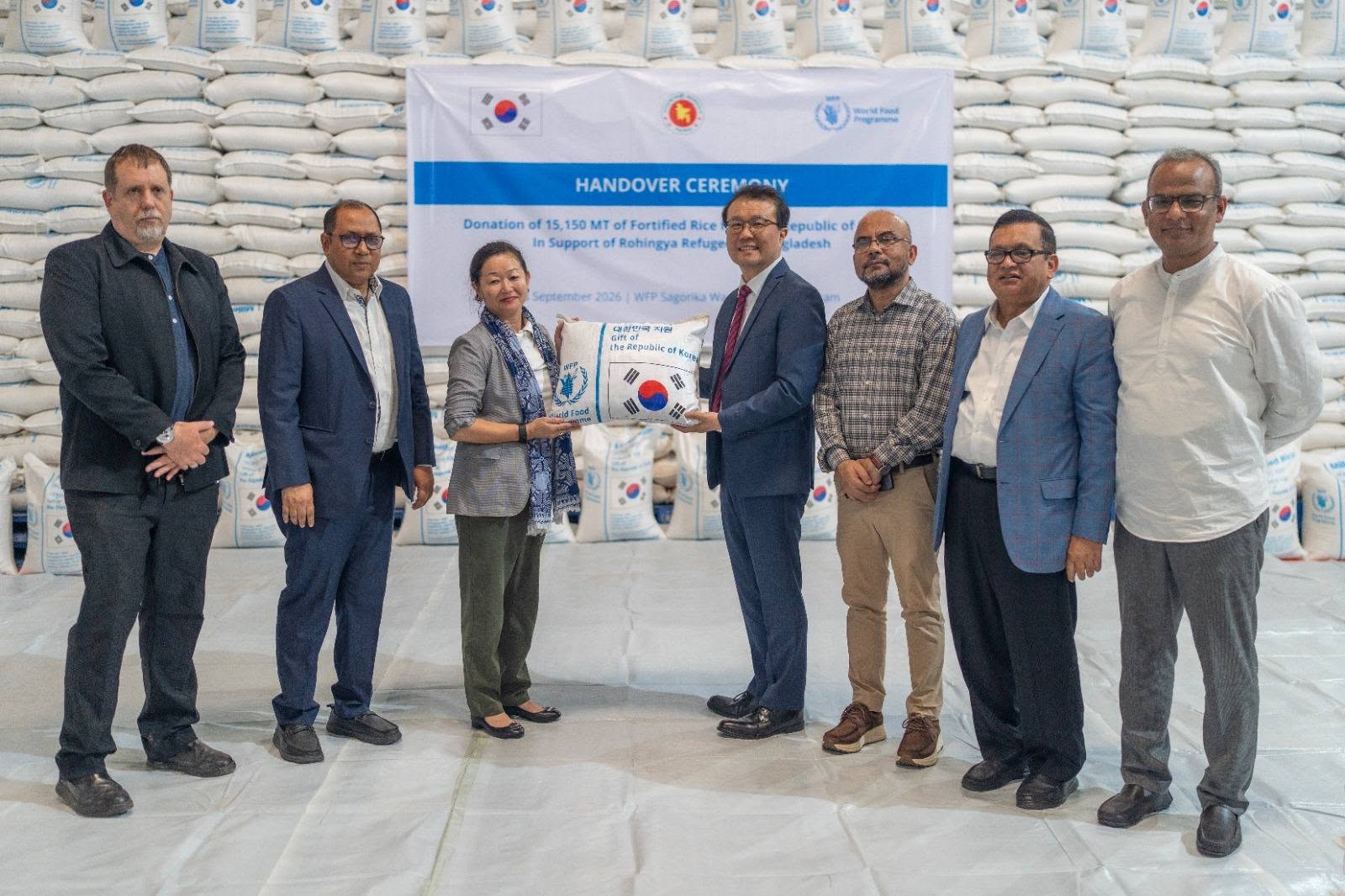
The latest blow to the Rohingya community comes as the World Food Programme (WFP) announced last week that it would be cutting food rations by half due to a severe funding shortfall. With no legal right to work, no land, and no other means of self-sufficiency, the refugees face an impending humanitarian disaster.
MSF, in a press release, called the situation "extremely alarming," emphasizing that such severe cuts will intensify suffering and increase the risk of violence, malnutrition, and exploitation. "We have seen firsthand how extreme need in this closed environment fuels violence and increases the risk of exploitation, particularly for women and children. Many refugees fear the situation will only deteriorate," MSF stated.
A Looming Crisis
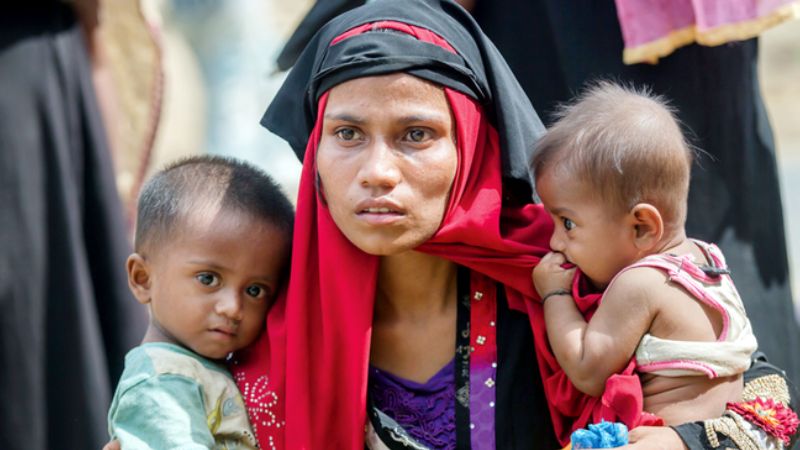
The impact of these cuts will be most severe on vulnerable groups, particularly young children, who risk permanent consequences from malnutrition, including stunted growth and increased susceptibility to disease. Adults, many of whom care for children or elderly relatives, will be forced to make difficult choices—reducing their own food intake or resorting to exploitative labor just to survive.
For many newly arrived refugees, the situation is even more dire. Rahima, who recently fled violence in Myanmar and now stays with relatives in the camps, shared her distress: "I feel like a burden. They share what little food they have with me." Another refugee, Masuda, said that even under current rations, her family never has enough to eat.
Wider Consequences of Aid Cuts
Experts warn that the lack of aid could have devastating consequences, including an increase in child malnutrition, heightened risks of trafficking, and deteriorating health conditions in an already overcrowded and unsanitary environment. With fewer resources, humanitarian organizations will struggle to provide essential medical care, clean water, and shelter, exacerbating the crisis.
Moreover, as desperation grows, social tensions within the camps could rise, potentially leading to conflicts and increased crime rates. The lack of food and essential services might also force refugees to consider perilous migration routes, exposing them to further exploitation and violence.
A Call for Immediate Action
MSF has urged donors, governments, and international organizations to step up efforts and bridge the $115.6 million funding gap before the situation becomes catastrophic. The organization called for emergency funds to be committed by April to secure food supplies for the refugees. Governments must expand short-term humanitarian assistance, while international agencies need to work closely with food security and nutrition organizations to ensure that resources are swiftly and transparently allocated.
"We recognize that mobilizing these funds will be more challenging than ever, but action must be taken. Denying essential aid to a community that has been left entirely reliant on it is simply unacceptable," MSF emphasized.
As the crisis deepens, urgent intervention is needed to prevent an already dire situation from turning into an irreparable humanitarian disaster. Without immediate international support, the Rohingya refugees will be left to endure the devastating consequences of a crisis they had no role in creating.
BOB Post