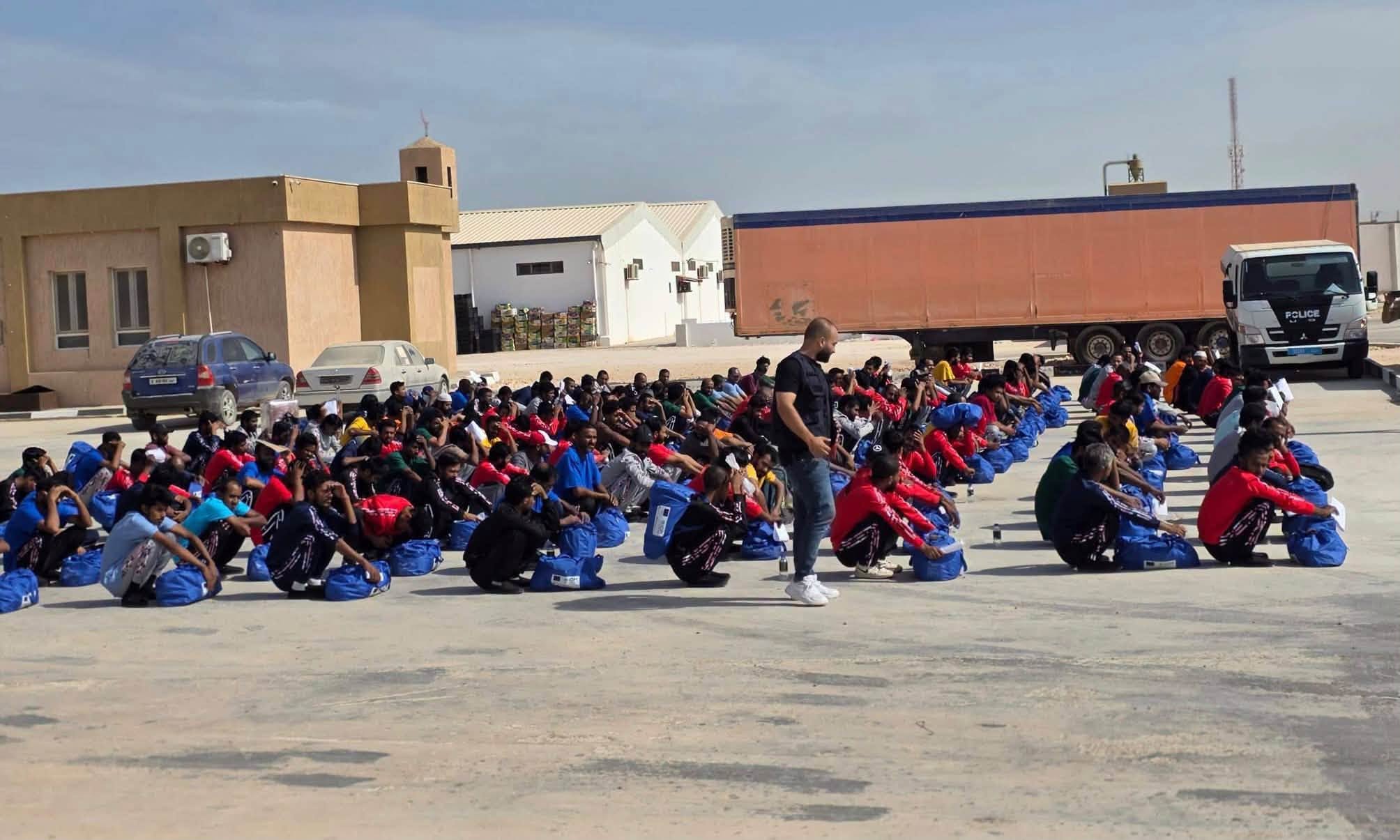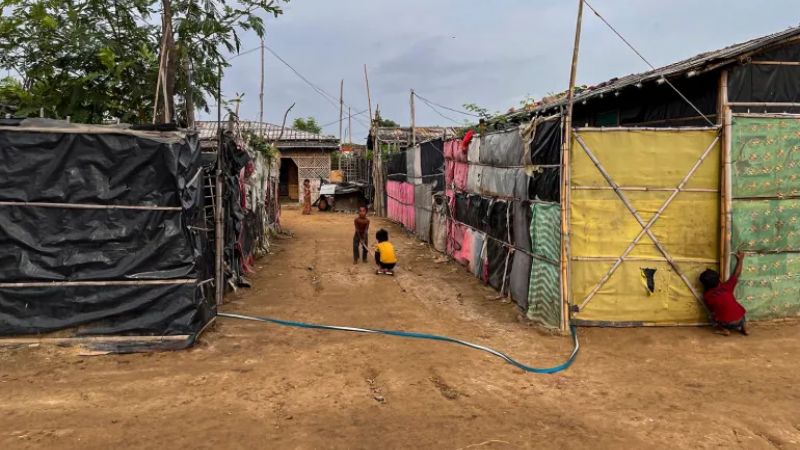
In interviews with VOA, refugees from Myanmar's troubled areas who are seeking safety in India across the border express deep concern about the prospect of being apprehended and being forced to return home against their will.
Announcements heralding the commencement of deportations by Manipur state authorities, relayed through Chief Minister Nongthombam Biren Singh's social media platforms, sent shockwaves rippling through the refugee communities. The declaration on May 2 marked the initial phase, with 77 individuals labeled as "illegal immigrants from Myanmar" targeted for expulsion. Subsequent updates, divulged once more on social media last Wednesday, hinted at the unfolding of a broader scheme, encompassing approximately 5,400 additional individuals under the banner of “illegal immigrants.”
The exodus from Myanmar, spurred by the tumultuous aftermath of the military's seizure of power in 2021, has seen close to 60,000 refugees seeking sanctuary in India, particularly concentrated along the northeastern border provinces. However, it's Manipur that has taken the forefront in stringent measures aimed at repatriation. Allegations of the refugees' involvement in local conflicts have been volleyed by state officials, fuelling a narrative of culpability.
In the shadows cast by these developments, refugees like Seithang Haokip find themselves thrust into a harrowing dance of evasion, seeking refuge in remote border villages to evade the looming clutches of authority. "That is the very thing we are afraid of," Haokip confides, his voice laced with trepidation. “All of us are very afraid of both sides.”
Their fears, as articulated by Myo, another Myanmar refugee in hiding, stem from a profound dread of persecution and violence at the hands of both the Myanmar military regime and the Indian authorities. "They [the Myanmar military] already opened many files on me," Myo discloses, his words echoing with the weight of impending doom.
Salai Dokhar, echoing the sentiment of many, grapples with the haunting prospect of being coerced into military service, a fate he fervently seeks to elude. "Most of the people who entered to India are not safe in the hands of the [Myanmar] military," he asserts, his resolve tinged with a palpable sense of vulnerability.
Amidst the cacophony of uncertainty and fear, humanitarian organizations like Human Rights Watch and the International Commission of Jurists rally to advocate for the rights and safety of the refugees. Meenakshi Ganguly, Deputy Asia Director of Human Rights Watch, emphasizes the imperative of protecting the vulnerable amidst the tumult of conflict and displacement.
Yet, amidst the political maneuvers and electoral ambitions that ostensibly underpin Manipur's deportation drive, the refugees find themselves ensnared in a web of political expediency. As Salai Dokhar laments, "We are in a political game, for sure," a stark reminder of the human toll exacted by the machinations of power.
BOB Post