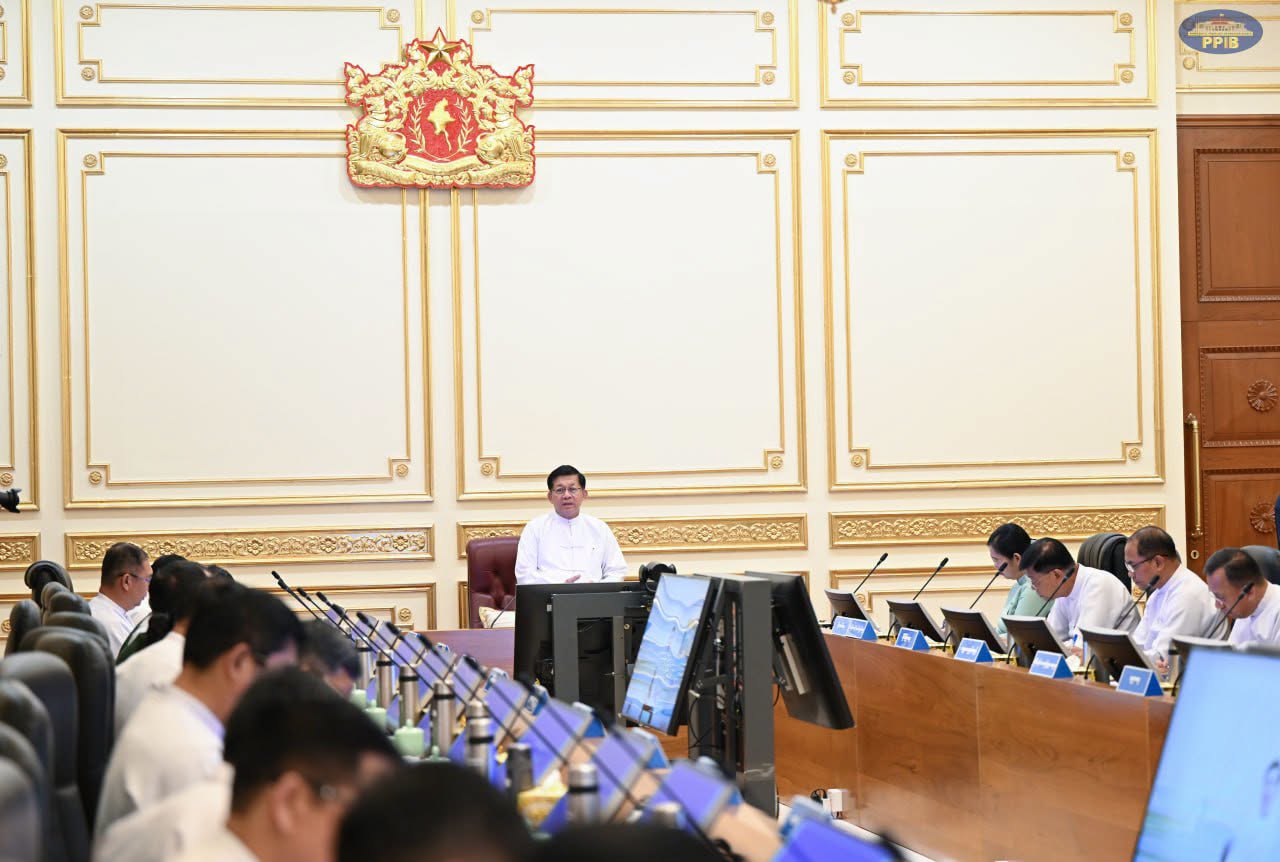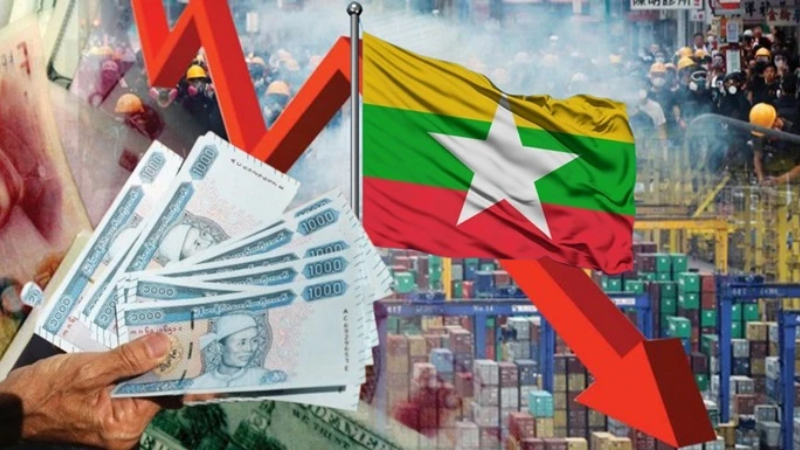
Foreign investment in Myanmar has sharply declined since the military coup in February 2021, which ousted the democratically elected government, according to official data and analysts. Businesses face increasing risks as the country grapples with widespread junta conflicts and economic turmoil.
Myanmar's economy has contracted by nearly 20% since the coup, according to the World Bank, and its projected GDP growth for 2024 has been slashed to just 1%. The decline stems largely from the conflict and mismanagement by the military junta, further discouraging foreign investors.
Sharp Decline in Investment
Official data from Myanmar's Directorate of Investments and Company Administration reveals that foreign investment totaled only $150 million in the first seven months of 2024. This is a stark contrast to the $2.9 billion invested over the three years following the coup and pales in comparison to the $3.8 billion Myanmar received in 2020 under the civilian government led by Aung San Suu Kyi and the National League for Democracy.
The exodus of foreign companies is driven by political instability, hyperinflation, disruptions in banking systems, difficulties in sourcing raw materials, and labor shortages.
Major Companies Pull Out
In August 2024, Singapore's Sembcorp announced the temporary closure of its gas-fired power plant in Myingyan, Mandalay, citing safety concerns. Similarly, South Korea's CJ Feed Myanmar suspended operations at its Yangon animal feed plant in May due to the economic crisis.
Challenges with Exchange Rates
The junta's tight control over the exchange rate has added another layer of difficulty for foreign firms. A local businessman, speaking anonymously for safety reasons, highlighted the challenges posed by inflation and the Central Bank’s fixed exchange rate of 2,100 kyats to the dollar. "The unstable exchange rate and strict control by the Central Bank have made it nearly impossible for foreign companies to operate effectively," he said.
The collapse of foreign investment and the broader economic downturn have plunged Myanmar into a precarious future, with experts warning of long-term stagnation and escalating public unrest. Widespread poverty, inflation, and job losses have fueled resentment toward the military junta, intensifying protests and armed resistance across the country. Analysts suggest that the continued economic decline could deepen social fractures, making recovery increasingly difficult and potentially locking the nation into a cycle of conflict and instability.
BOB Post