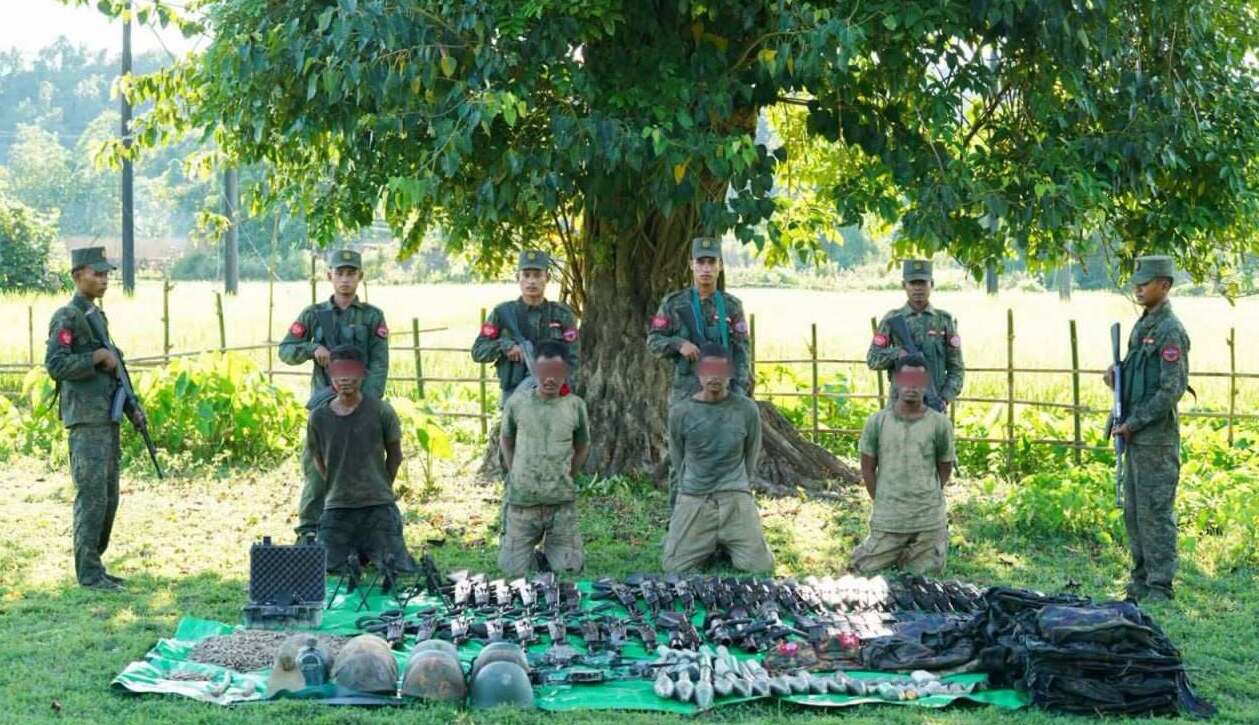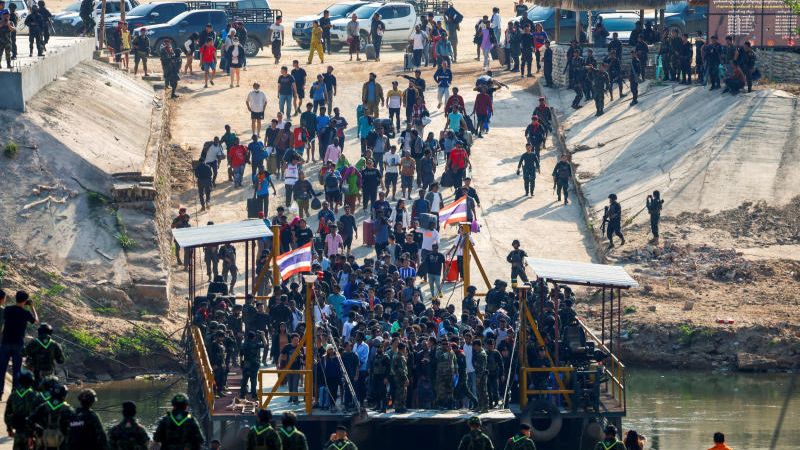
More than 250 people from 20 different nationalities have been freed from telecom fraud centres operating in Myanmar’s Karen State. The workers, most of whom hailed from African and Asian nations, were handed over to the Thai army by the Democratic Karen Benevolent Army (DKBA), an ethnic armed group that has historically controlled parts of the region.
Authorities in Thailand are now assessing whether these individuals were victims of human trafficking. Many of them were reportedly deceived into working for cyber-fraud operations, with some facing torture and forced labor. These operations, which have proliferated along the Thai-Myanmar border, engage in crimes ranging from love scams known as "pig butchering" and cryptocurrency fraud to money laundering and illegal gambling.
Thailand’s Crackdown on Scam Centres
Thai Prime Minister Paetongtarn Shinawatra, after meeting Chinese President Xi Jinping last week, pledged to shut down these scam centres. The Thai government has implemented measures such as cutting off power and fuel supplies to the border regions, alongside tightening banking and visa regulations to curb the movement of scam operators, workers, and illicit funds.
For the past two years, Thai opposition MPs have been calling for stricter actions against these cyber-crime hubs. Many foreign workers are lured into these centres with promises of lucrative salaries, only to find themselves trapped in exploitative conditions. The scammers particularly seek individuals fluent in English and Chinese to carry out their operations targeting victims worldwide.
Ethnic Armed Groups and the Scam Economy
The DKBA’s involvement in the handover raises questions about the role of ethnic armed groups in facilitating such illegal activities. Some of these factions have been accused of providing protection to scam compounds in return for financial gains. The Karen National Army (KNA), another armed group, is also under scrutiny, with Thailand’s Department of Special Investigation seeking arrest warrants for three of its commanders, including warlord Saw Chit Thu.
In 2017, Saw Chit Thu partnered with a Chinese company to develop Shwe Kokko, a city widely believed to be a major hub for scam operations. While Yatai, the company behind Shwe Kokko, claims that scams are no longer present in the city, local sources and former workers report otherwise. Billboards in multiple languages now warn against forced labor and "online businesses," but illicit activities are still believed to be thriving.
Myanmar’s Ongoing Struggles
The telecom fraud crisis is yet another layer of suffering for Myanmar, a country already grappling with political instability, armed conflicts, and economic decline. Since gaining independence in 1948, Myanmar's central government has struggled to assert control over Karen State and other conflict-prone regions. The February 2021 military coup further exacerbated the situation, leading to increased violence, displacement, and economic hardship for millions of people.
The rise of scam operations in Myanmar has added to the plight of its citizens. Thousands of local and foreign workers have found themselves trapped in criminal enterprises, facing physical abuse and financial extortion. The country’s political turmoil has enabled such illegal networks to flourish, with limited government intervention to dismantle them.
International Response and Future Outlook
With mounting pressure from Thailand and China, groups like DKBA and Saw Chit Thu’s KNA have pledged to expel scam businesses from their territories. However, whether these actions will result in a long-term solution remains uncertain. The persistent instability in Myanmar, coupled with the deep-rooted influence of ethnic militias, makes enforcing law and order a formidable challenge.
For the rescued workers, the path to recovery is only beginning. Authorities in Thailand are working to determine their legal status and whether they can safely return to their home countries. Meanwhile, human rights advocates are calling for stronger international cooperation to dismantle transnational cyber-crime networks and prevent further human trafficking incidents.
As Myanmar continues to face economic hardship and political repression, many fear that such exploitative schemes will only evolve into new forms, making the fight against cyber-crime a long and arduous battle for the region.
BOB Post