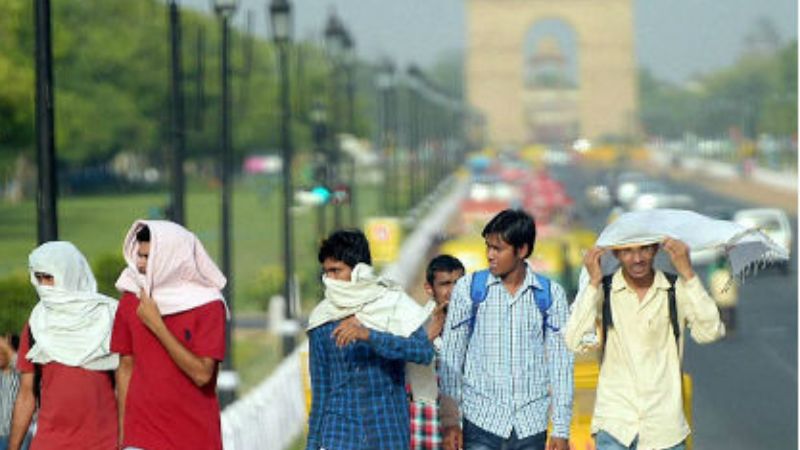
Northern India, including the capital Delhi, is in the throes of a blistering heatwave, with temperatures soaring above 45C over the weekend. On Sunday, Najafgarh district in Delhi recorded a scorching temperature of 47.8C, marking the highest reading in the country this season.
The Indian Meteorological Department (IMD) has warned that the heatwave is expected to persist throughout the week, exacerbating the already oppressive conditions. This heatwave coincides with India's general election, the results of which are slated to be declared on June 4.
Indian summers, typically spanning from March to September, are renowned for their sweltering heat and stifling humidity. The IMD has further cautioned that the country is likely to experience longer and more intense heatwaves this year.
Over the weekend, temperatures surpassed 45C in 10 locations within the National Capital Region (NCR), encompassing Delhi and select districts from neighboring states like Uttar Pradesh, Haryana, and Rajasthan. Projections from the IMD suggest that maximum temperatures in Delhi and other northern cities will hover around 45-46C throughout Monday and Tuesday.
Additionally, the IMD has issued warnings of a fresh heatwave gripping parts of western and central India in the coming days. This heatwave coincides with state elections across many Indian states, including Maharashtra, Uttar Pradesh, and Bihar, where millions of voters are set to cast their ballots. Delhi is scheduled to vote on May 25 as part of the multi-phase election process spanning from April 19 to June 1.
Despite the scorching conditions, election authorities have extended voting hours and urged citizens to take precautions against the heat while exercising their democratic rights. Many voters have expressed discomfort about braving the extreme temperatures, particularly elderly individuals facing challenges standing in long queues.
Summers in India, particularly in the northern and central regions, have always been arduous. While some individuals rely on air-conditioners and water coolers to beat the heat, others in more remote areas have devised their own strategies for coping, such as storing water in earthen jugs or consuming beverages infused with raw mango pulp to prevent heat-related illnesses.
BOB Post