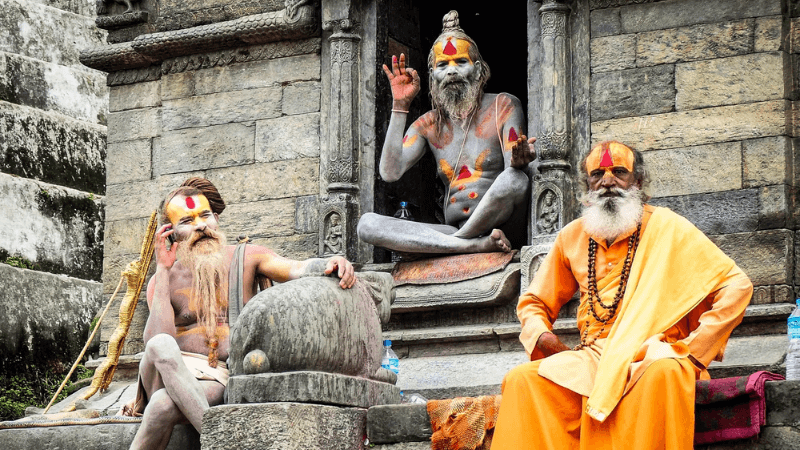
The specter of India potentially morphing into a "Hindu nation" has become a contentious, emotive topic, stirring fear and fueling political friction. While the BJP government under Prime Minister Narendra Modi has pursued policies perceived by some as favoring the Hindu majority, the precise definition and potential implications of a "Hindu nation" remain hotly contested.
Critics, predominantly from minority communities like Muslims and Christians, view the rhetoric of a "Hindu nation" as a veiled threat to their rights and security. They point to policies like the Citizenship Amendment Act and the construction of a controversial Ram temple in Ayodhya as evidence of Hindu majoritarianism seeping into state policy. This, they fear, could lead to discrimination, marginalization, and even violence against minorities. Proponents of a "Hindu nation," often aligned with the Hindu nationalist ideology of Hindutva, argue for a state rooted in Hindu values and culture. They view India's historical and cultural identity as inherently intertwined with Hinduism and believe that recognizing this in the public sphere would strengthen national unity and pride. However, they maintain that this does not imply exclusivity or discrimination against other faiths.
The debate spills over into real-world events. From cow protection vigilantism targeting Muslims to hate speech against minorities, concerns about rising intolerance and polarization are often cited as evidence of a shift towards a "Hindu nation." Conversely, supporters point to initiatives like outreach programs to integrate Muslim women into the workforce as examples of inclusive policies within the "Hindu nation" framework.
Defining a "Hindu nation" precisely is challenging. Does it imply a theocratic state, one where Hinduism dictates governance? Or does it merely signify a cultural shift, where Hindu values influence national identity without dictating legal frameworks? These ambiguities fuel the debate, leaving room for both genuine fears and ideological justifications.
The potential consequences of India embracing a "Hindu nation" are significant. It could damage India's image as a secular democracy, leading to international censure and potential economic repercussions. Internally, it could exacerbate social tensions, leading to instability and violence. Conversely, proponents argue that a stronger Hindu identity could unify the nation and spur cultural revival.
Finding common ground amidst this charged debate is crucial. Open dialogue, mutual respect for diverse viewpoints, and ensuring constitutional guarantees of equality for all citizens are essential steps towards navigating this complex issue. India's future as a multi-religious, democratic nation hinges on its ability to reconcile the aspirations of its Hindu majority with the concerns and rights of its minorities.
BOB Post