


The International Court of Justice (ICJ) will begin hearings on the merits of the Rohingya Genocide Case on January 12, marking a critical phase in efforts to establish legal accountability for atrocities committed in Myanmar since 2016.
In November 2019, The Gambia asked the ICJ to institute proceedings against Myanmar under the Convention on the Prevention and Punishment of the Crime of Genocide. The application also requested provisional measures to protect the Rohingya while the case is under consideration.
The court held hearings on provisional measures in December 2019 and issued its order in January 2020, directing Myanmar to “halt and prevent all genocidal acts” against the Rohingya, ensure that security forces under its control do not commit such acts, and preserve evidence related to alleged crimes.
Despite the court’s orders, reports indicate that Rohingya communities continue to face serious abuses. The Gambia’s submission cites allegations of “sexual violence, arson, and mass killings” carried out by Myanmar authorities, and seeks reparations for victims along with credible guarantees of protection from future atrocities.
To determine whether genocide occurred under the Genocide Convention, the ICJ must find that “genocidal acts were committed with an intent to destroy a national, ethnic, racial, or religious group in whole or in part.”
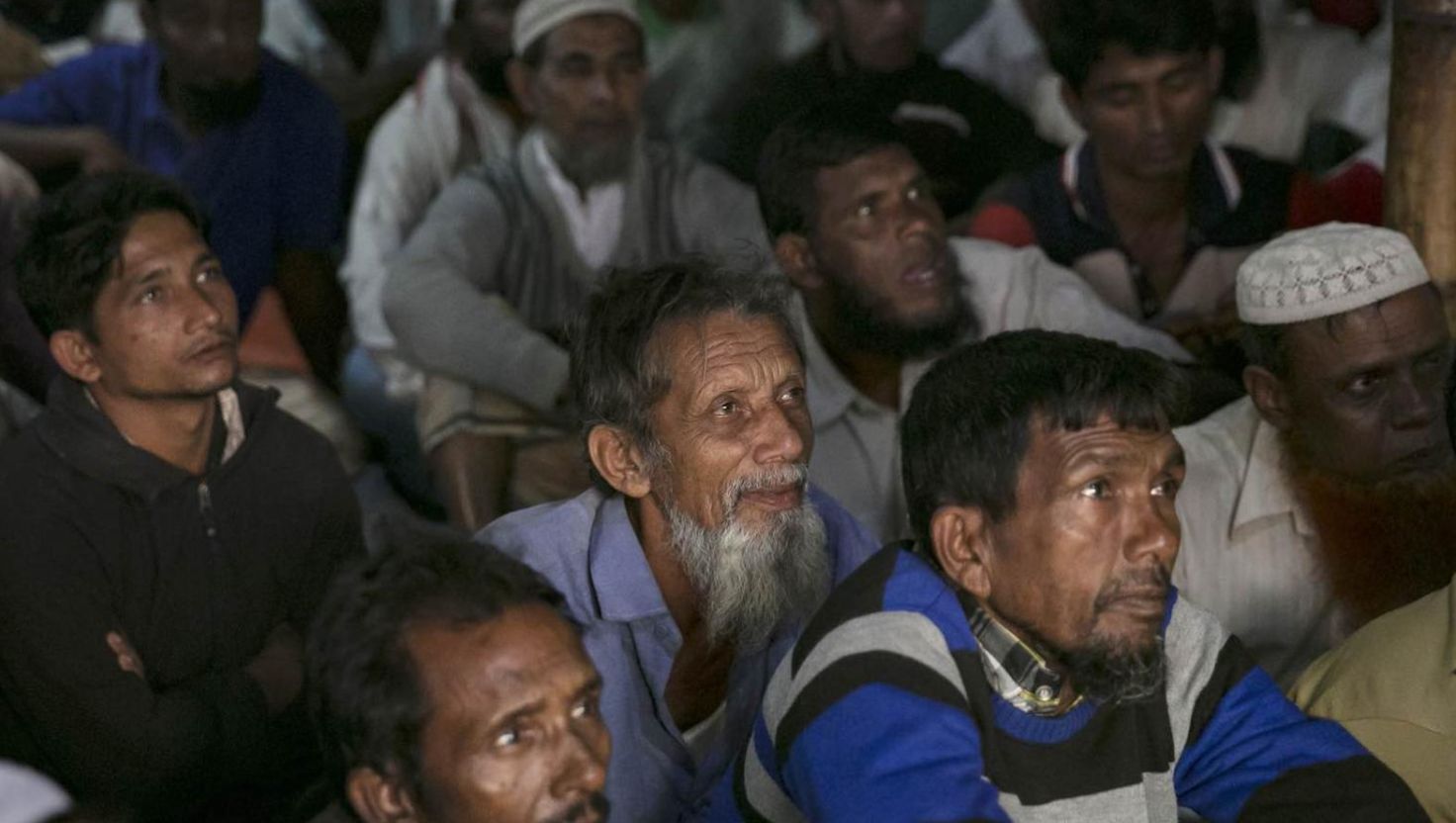
The Rohingya, a predominantly Muslim ethnic group primarily from Myanmar’s Rakhine State, have endured decades of discrimination and violence. Conditions worsened following military-led “clearance operations” beginning in 2016, which led to widespread displacement and the flight of around 750,000 Rohingya to neighboring countries.
The case has drawn global attention and is seen as a potential precedent for other matters before the ICJ, including a high-profile case brought by South Africa against Israel, in which similar allegations of genocidal acts have been raised and provisional measures ordered.
BOB Post